

Kotor
This coastal town in Montenegro is part of the World Heritage Site dubbed the Natural and Culturo-Historical Region of Kotor. It holds several summer events, such as the Summer Carnival or Bokeljska Noc. One of the most notable and charming aspects of the town is the large population of cats that have become a symbol of the city.

Freiburg
Freiburg was founded by the Dukes of Zähringen in 1120, and the layout of streets and squares of the rapidly prospering metropolis is still impressively reflected in today's cityscape.
Lugano
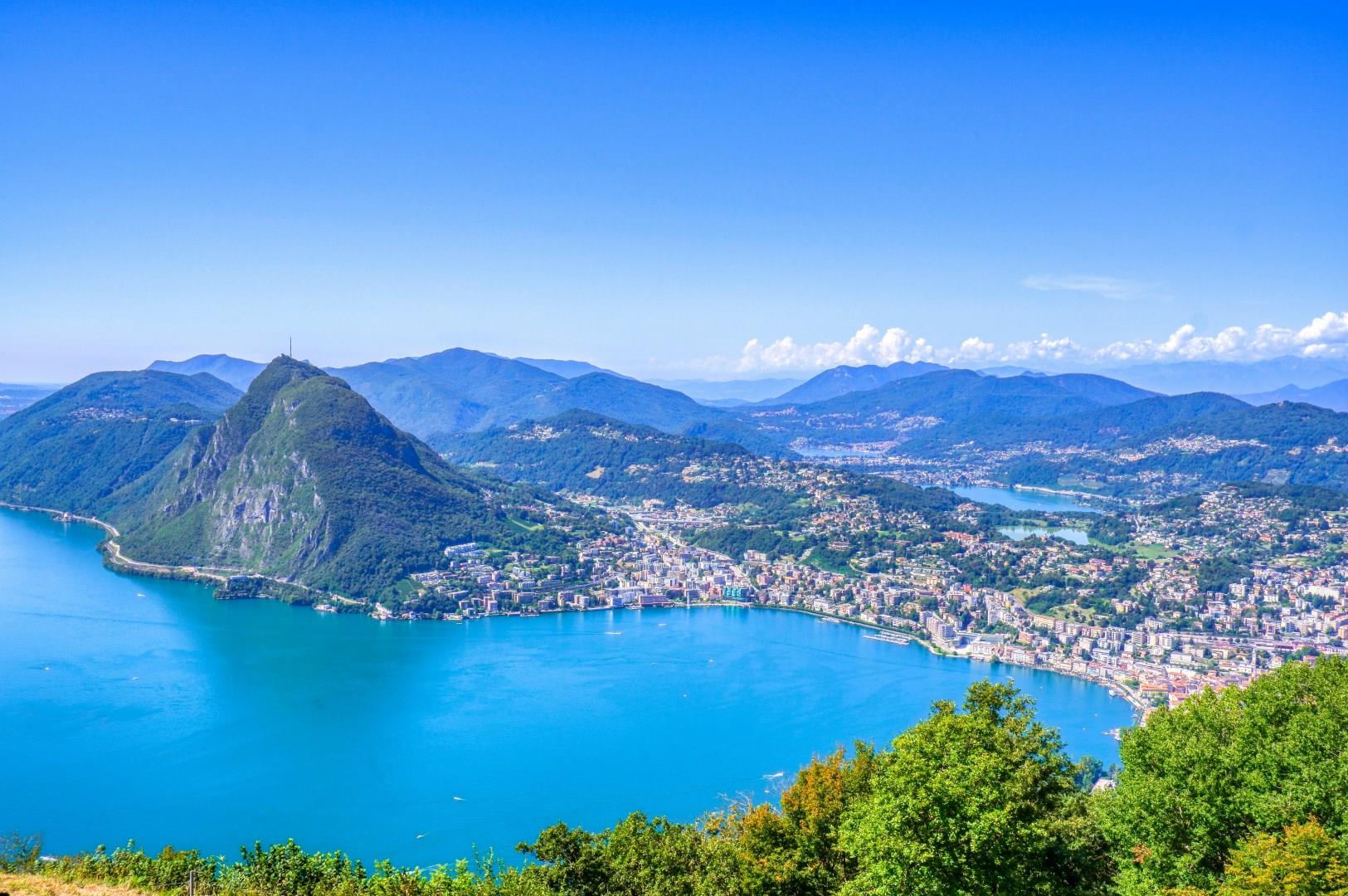
Lugano, tucked into Switzerland’s Italian-speaking Ticino region, blends Mediterranean flair with Alpine elegance. The city sits on the northern shore of Lake Lugano, its pastel-colored villas and palm-lined promenades framed by surrounding mountains such as Monte Brè and Monte San Salvatore.

Heraklion
The capital of Crete, Heraklion is a Greek port city and a popular stop on Mediterranean and Greek cruises. The city is an historical marvel, replete with archaeological wonders and remnants of the region's past. Highlights include the Heraklion Archaeological Museum, the Rocca a Mare Fortress, the Venetian Loggia, and just past the city limits, the Palace of Knossos.
Kuwait City
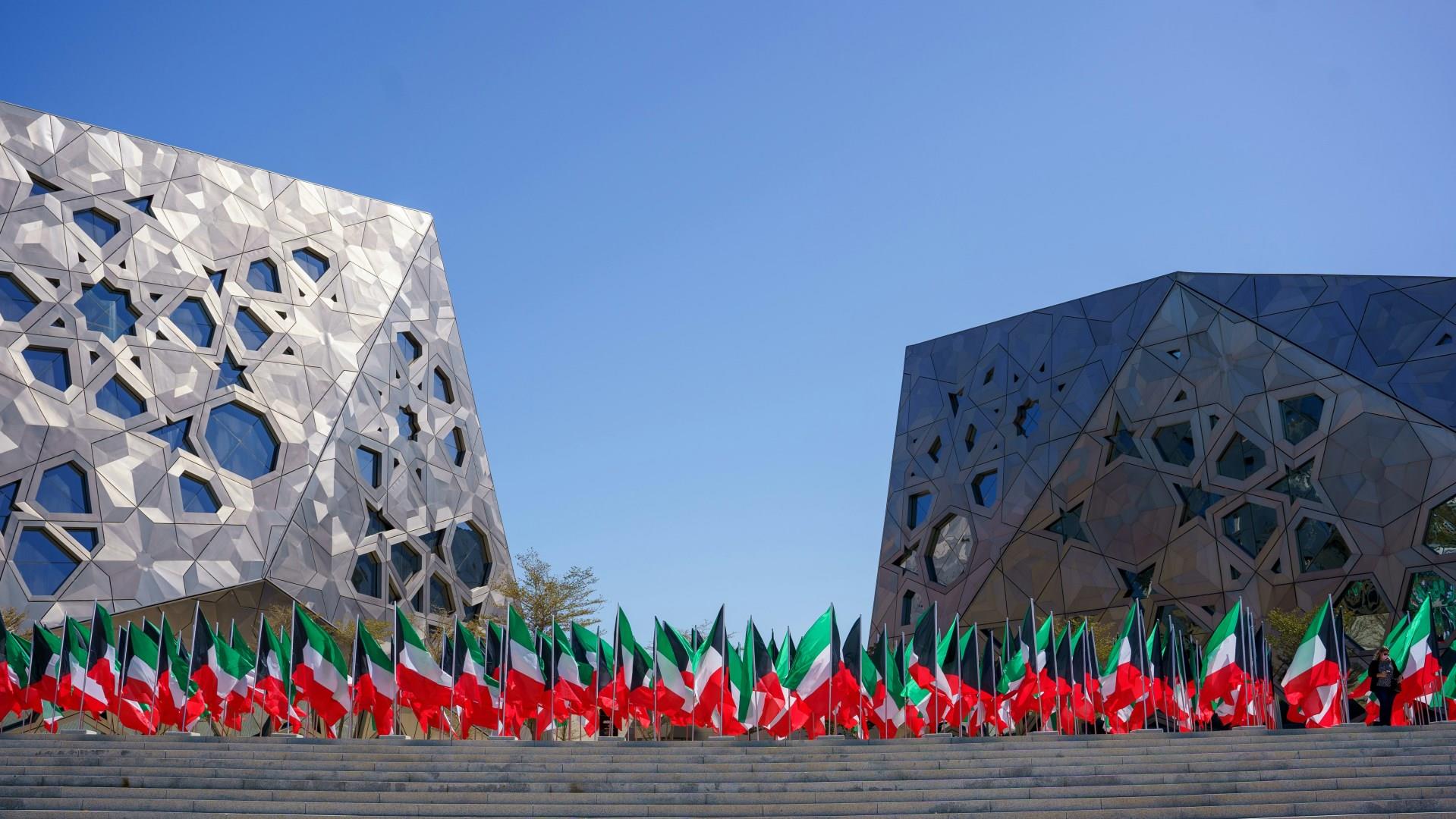
Kuwait City began as a modest fishing village and has evolved into a modern metropolis. The city's history is deeply rooted in its maritime heritage. The Dhow Harbour in Kuwait City offers a captivating glimpse into the nation's rich maritime past. Historically, dhows were essential for trade, fishing, and pearl diving, shaping Kuwait's economic and cultural identity. Today, the harbor remains a vibrant testament to this legacy, housing a variety of traditional wooden ships.
