
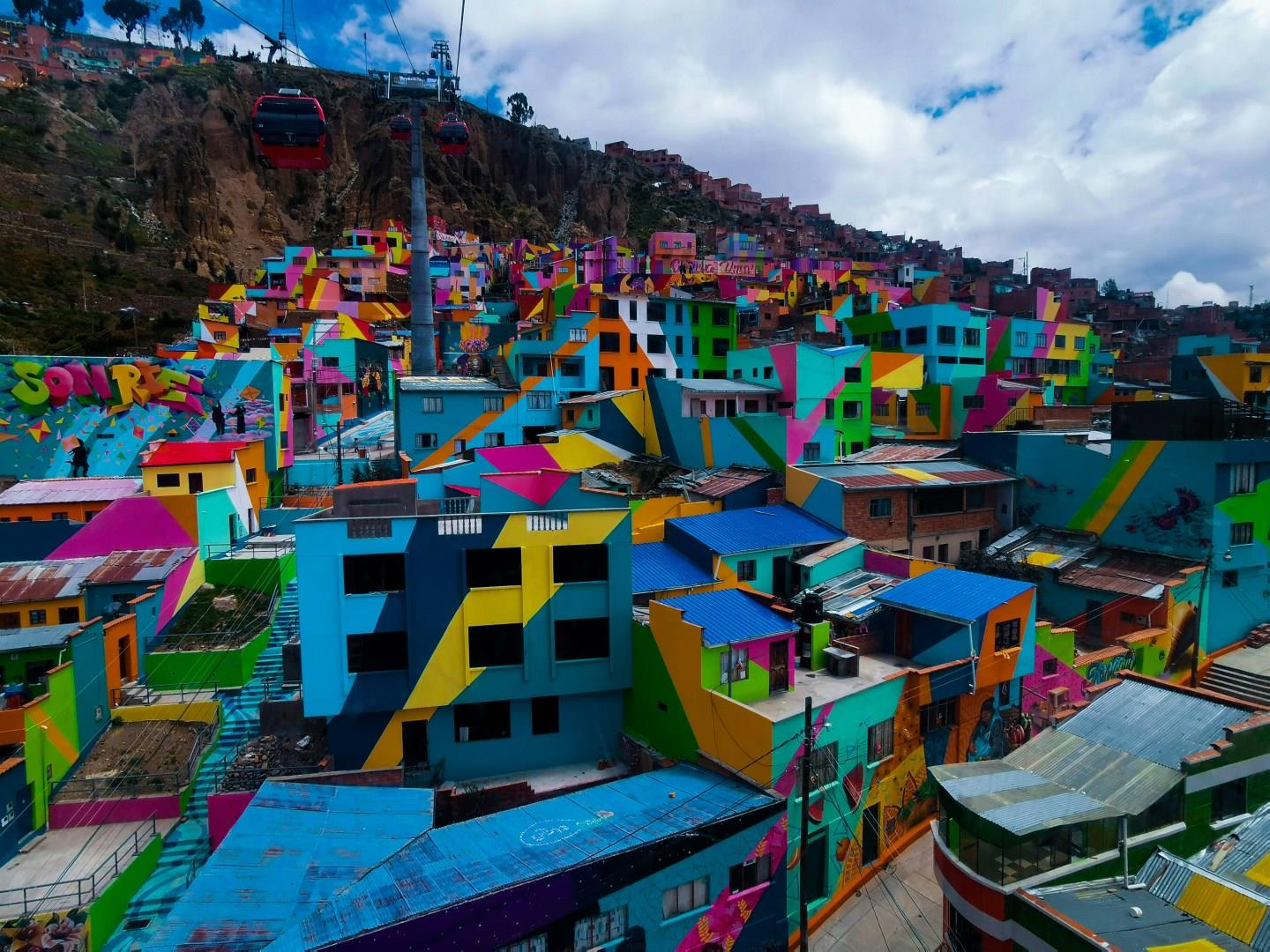
La Paz
La Paz, Bolivia’s seat of government, is one of the world’s highest capital cities, dramatically set in a deep canyon carved by the Choqueyapu River. Founded in 1548 atop an important Indigenous settlement, the city has long been a crossroads of Andean cultures, colonial history, and modern political life.

Annecy
Nestled between the pristine waters of Lake Annecy and the towering French Alps, Annecy is a charming gem in southeastern France that offers visitors a unique blend of history, natural beauty, and alpine allure. Often referred to as the "Venice of the Alps" due to its network of canals that wind through the old town, Annecy captivates with its cobbled streets, pastel-colored houses, and flower-adorned bridges.

Doha
Doha presents a journey where heritage and modern design intersect gracefully. The Museum of Islamic Art, designed by I. M. Pei, rises from the Corniche and houses ceramics, textiles, manuscripts, and metalwork spanning fourteen centuries. Nearby, the National Museum of Qatar, shaped like a desert rose, narrates the country's story through immersive exhibits and architecture by Jean Nouvel. These institutions offer perspectives on both art and national identity.
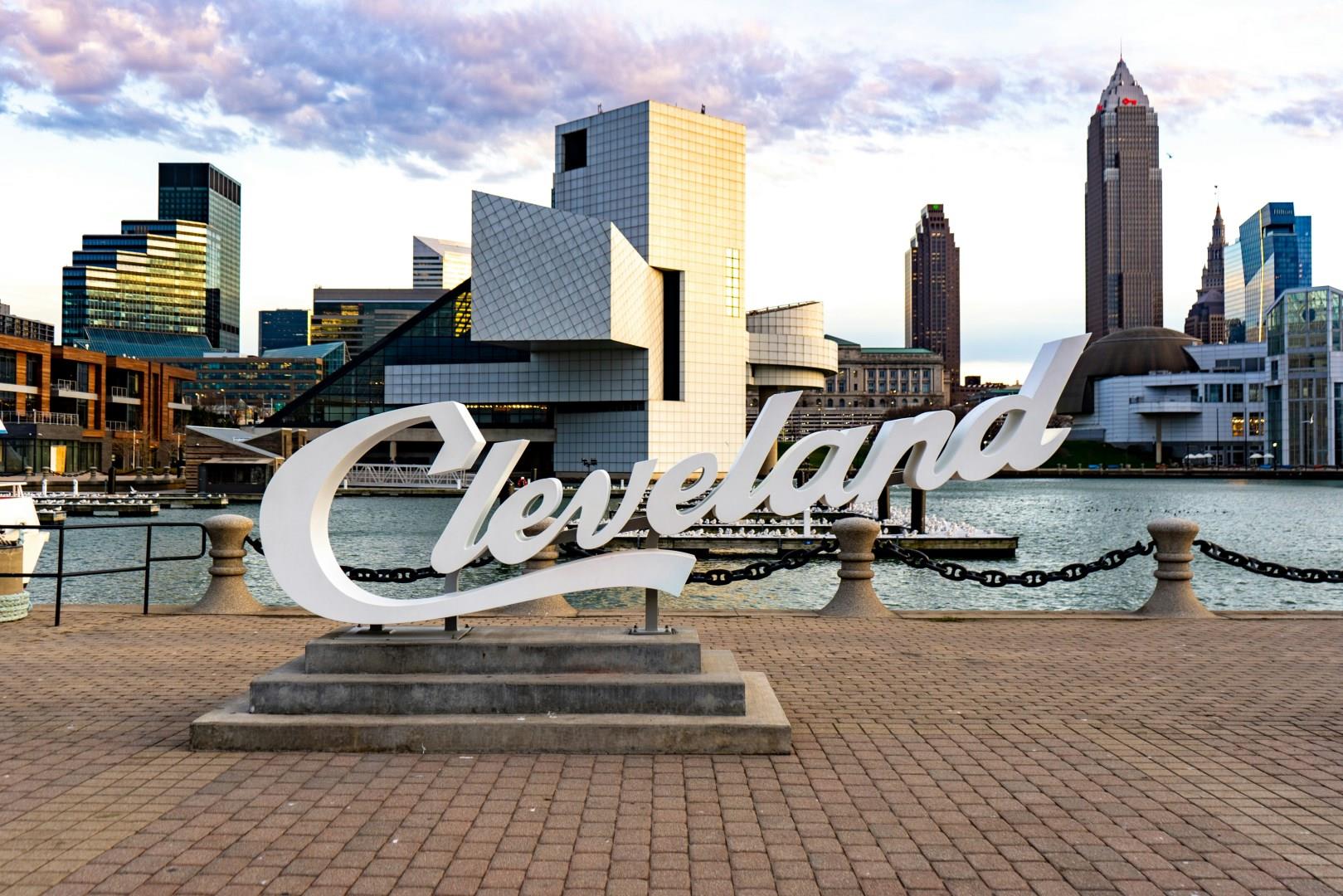
Cleveland
Cleveland, Ohio is a city with grit, pride, and a surprising amount of charm. Perched along the southern shore of Lake Erie, it blends industrial roots with a strong cultural identity. One of its most iconic attractions is the Rock & Roll Hall of Fame, where visitors can view everything from Prince’s custom guitars to handwritten lyrics by The Beatles. The museum brings history to life through rotating exhibits, film screenings, and live performances on the lakefront plaza.
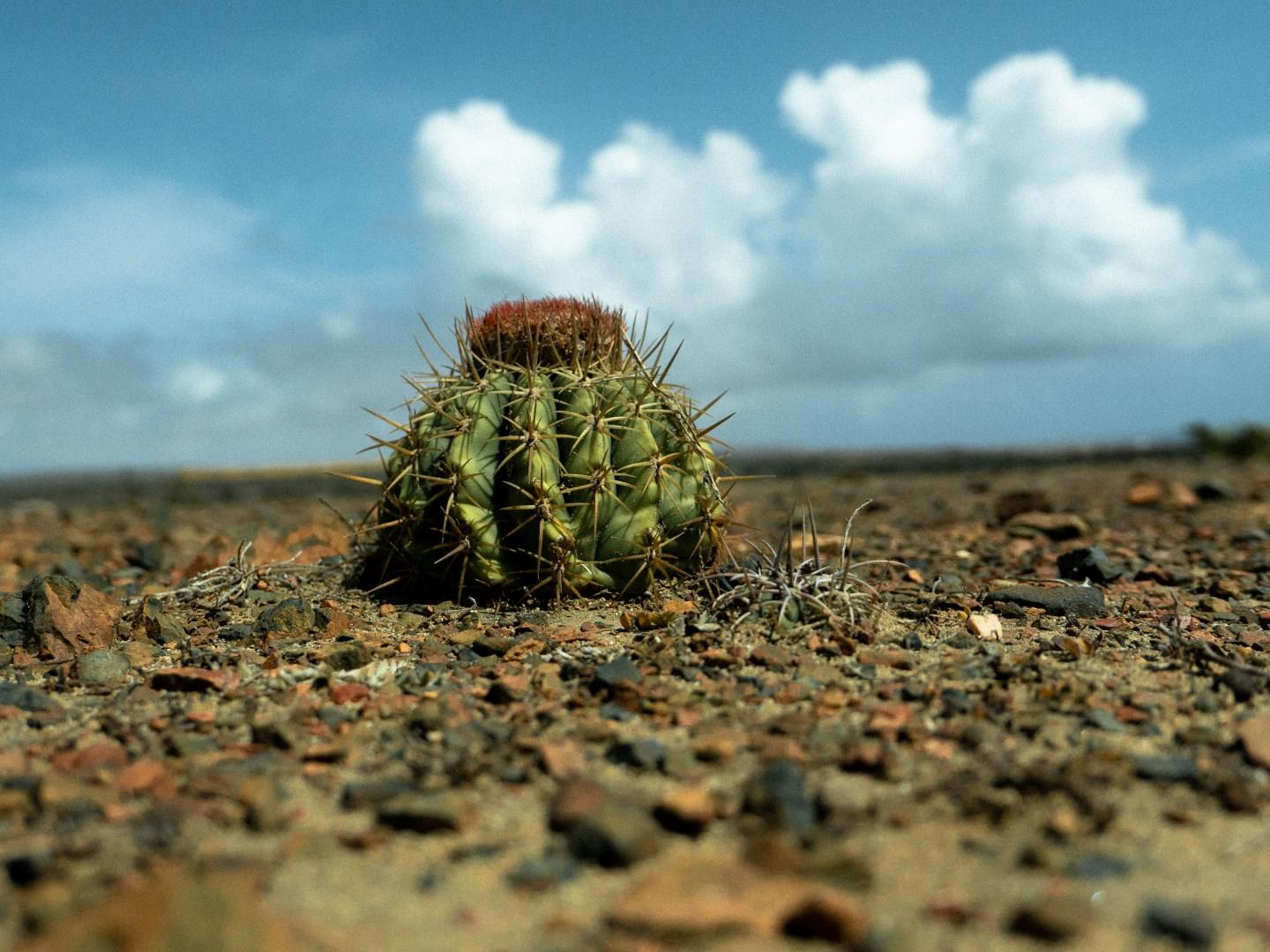
Arikok National Park
Arikok National Park, covering nearly 20% of Aruba, is a striking showcase of the island’s rugged landscapes, cultural history, and biodiversity. Unlike the postcard image of Aruba’s white-sand beaches, Arikok reveals a wilder side, with windswept hills, desert-like terrain, and dramatic limestone cliffs meeting the sea.
