

Heraklion
The capital of Crete, Heraklion is a Greek port city and a popular stop on Mediterranean and Greek cruises. The city is an historical marvel, replete with archaeological wonders and remnants of the region's past. Highlights include the Heraklion Archaeological Museum, the Rocca a Mare Fortress, the Venetian Loggia, and just past the city limits, the Palace of Knossos.
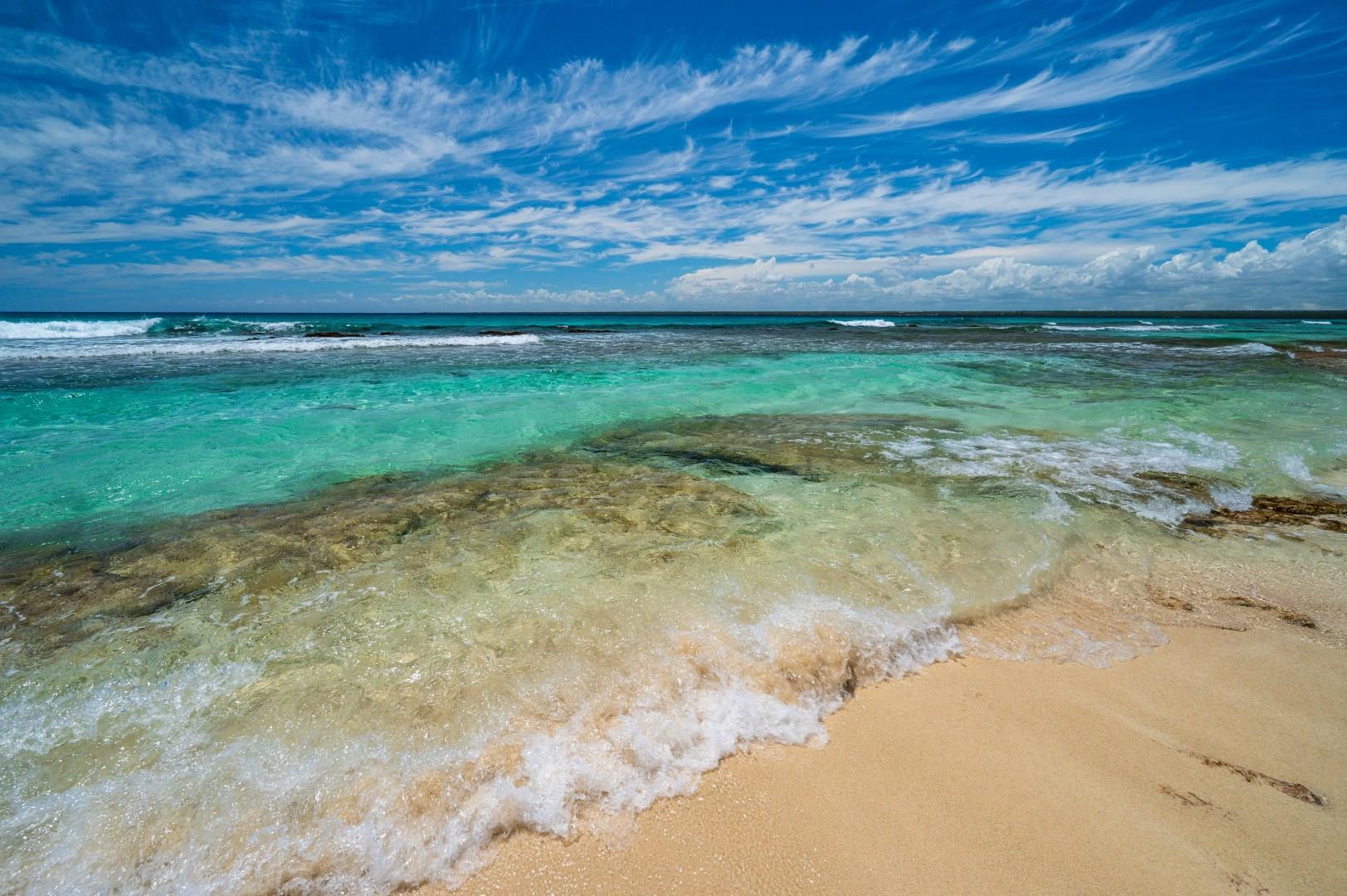
Catalina Island
Catalina Island, located just 1.5 miles off the southeastern coast of the Dominican Republic, is a serene tropical escape known for its pristine beaches and vibrant coral reefs.
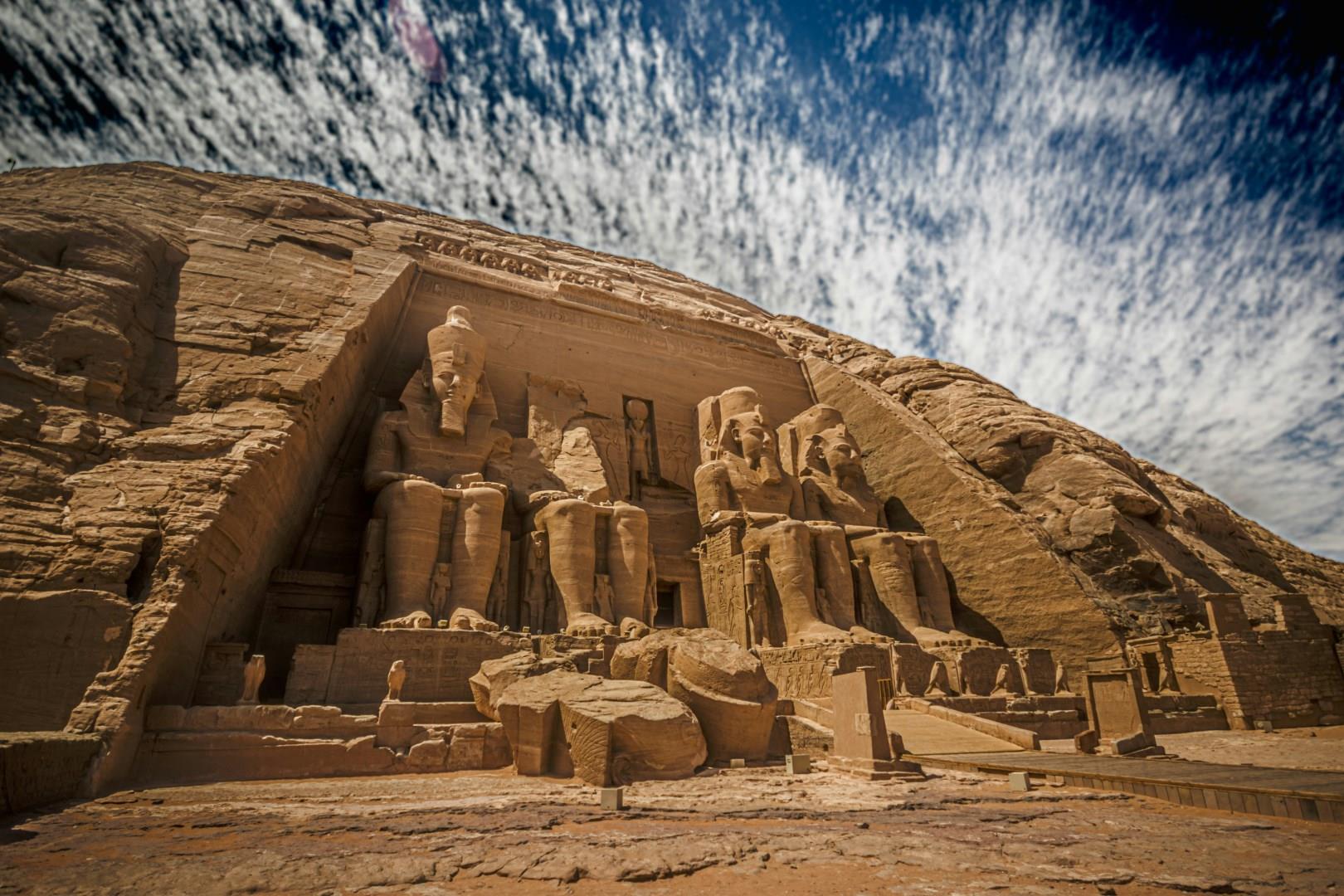
Abu Simbel
Abu Simbel, in southern Egypt near the border with Sudan, is one of the most awe-inspiring archaeological sites of the ancient world.

Lifou
Lifou Island, the most populous of the Loyalty Islands in New Caledonia, is a flat, former coral atoll with abundant vegetation and surrounded by secluded coral reefs which many say offer some of the best snorkeling in the world.

Belize
Belize, tucked between Mexico, Guatemala, and the Caribbean Sea, is a country where ancient history and untamed nature meet. Once the heartland of the Maya civilization, Belize is dotted with impressive archaeological sites such as Caracol and Xunantunich, where towering pyramids rise above jungle canopies.
