
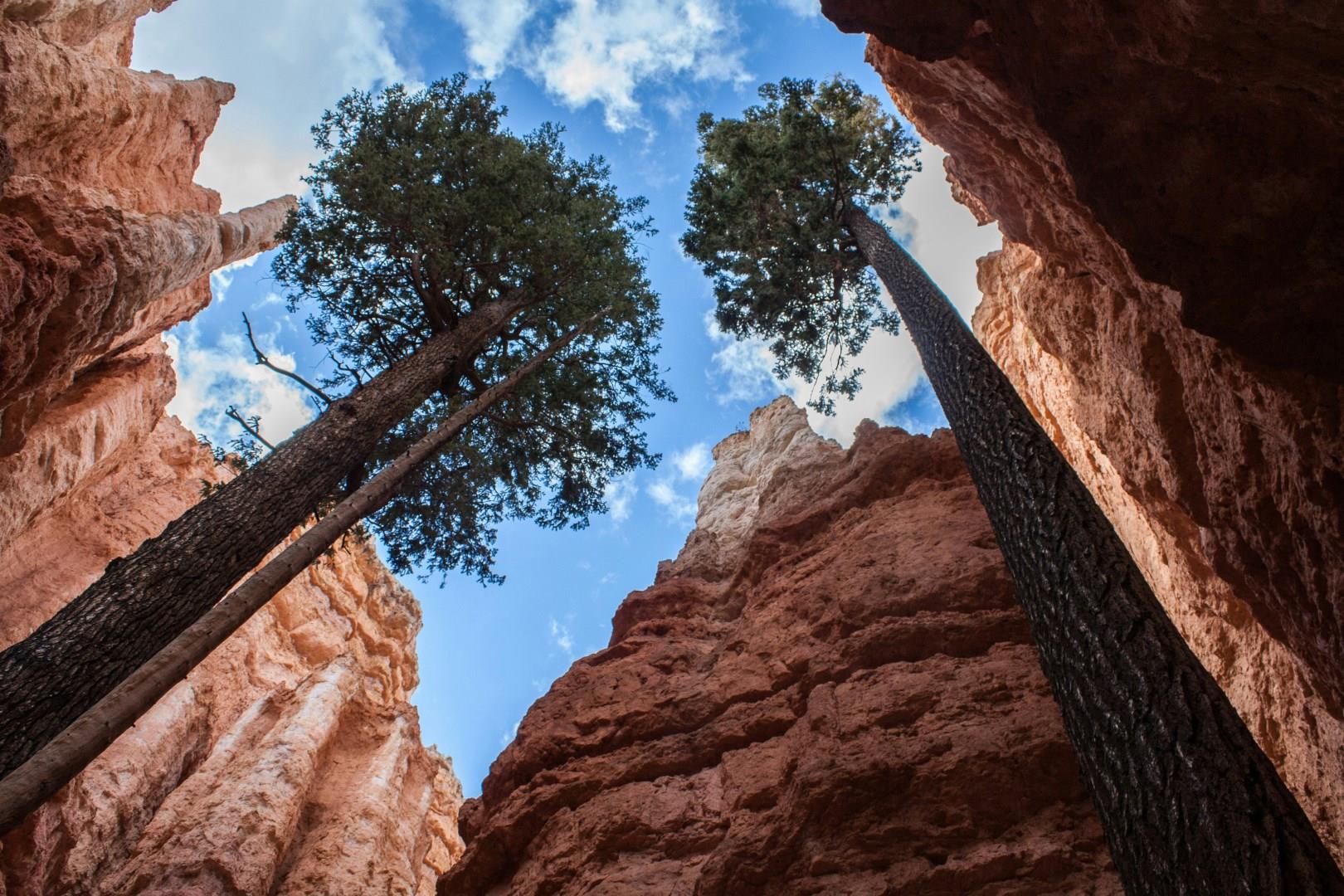
Bryce Canyon
Bryce Canyon, tucked into the high plateaus of southern Utah, offers one of the most unusual landscapes in the American Southwest. It’s not actually a canyon but a series of natural amphitheaters carved into the edge of the Paunsaugunt Plateau. What makes Bryce unique is its dense collection of hoodoos which are tall, thin spires of rock formed over millions of years by frost-wedging and erosion.

Bonifacio Corsica
Bonifacio is located at the southernmost tip of the island of Corsica. The town towers above the "Bouches de Bonifacio" the strait between Corsica and Sardinia, above islands and reefs. Bonifacio has survived a unique history, founded in 833, and somehow has defied time and events.
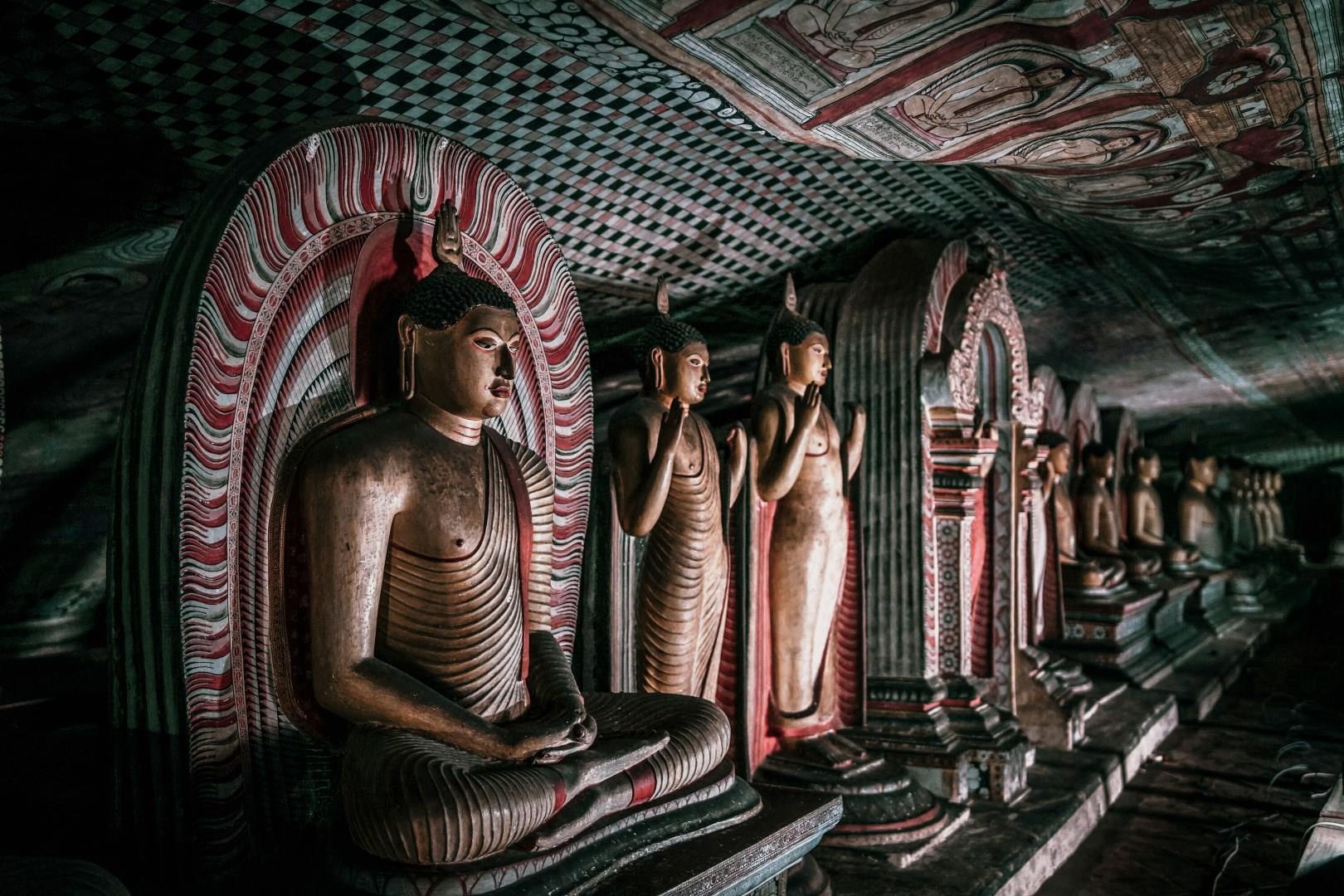
Dambulla
Dambulla, situated in the Central Province of Sri Lanka, is best known for its rock temple complex that has been in use for over two thousand years. The Dambulla Cave Temple, also called the Golden Temple of Dambulla, is made up of five caves carved into a granite outcrop, filled with over 150 Buddha statues and intricate wall paintings. These caves were first used by King Valagamba in the 1st century BCE as a refuge during exile, and later transformed into a sacred site.
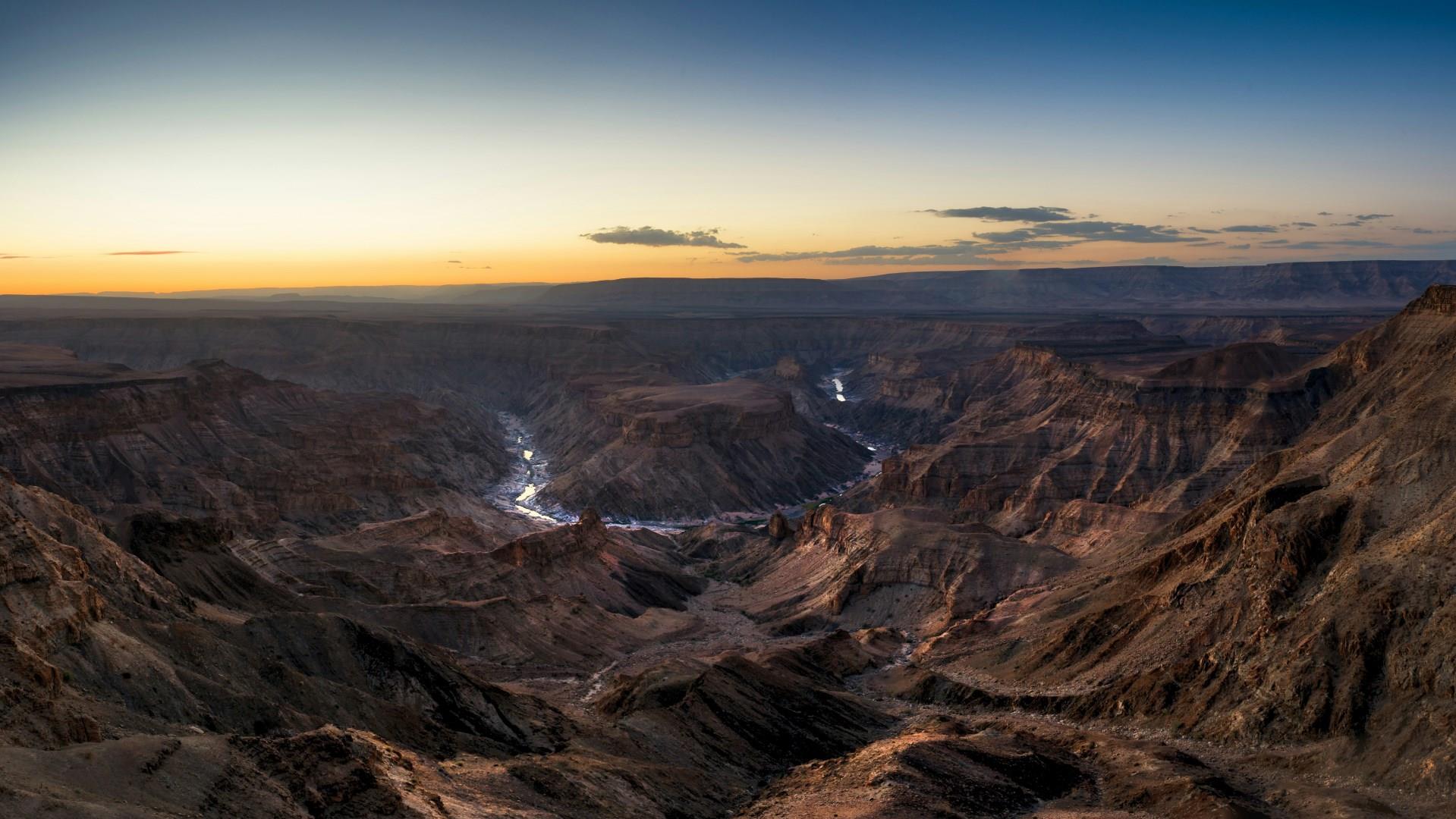
Fish River Canyon
The Fish River Canyon in southern Namibia is one of the planet’s most remarkable landforms, stretching across vast terrain in the Richtersveld Transfrontier Park. It is one of Africa’s largest canyons, carved over millions of years by the Fish River as it etched a deep, twisting gorge into the desert plateau. From high viewpoints like Hell’s Bend, visitors can see layers of rock dropping away to reveal ridges and ravines that seem to go on forever, all under wide, open skies.

Miami
Nestled between Biscayne Bay to the east and Everglades National Park to the west, Miami, Florida is one of the Sunshine State's most vibrant, culturally diverse, and dynamic cities.
