
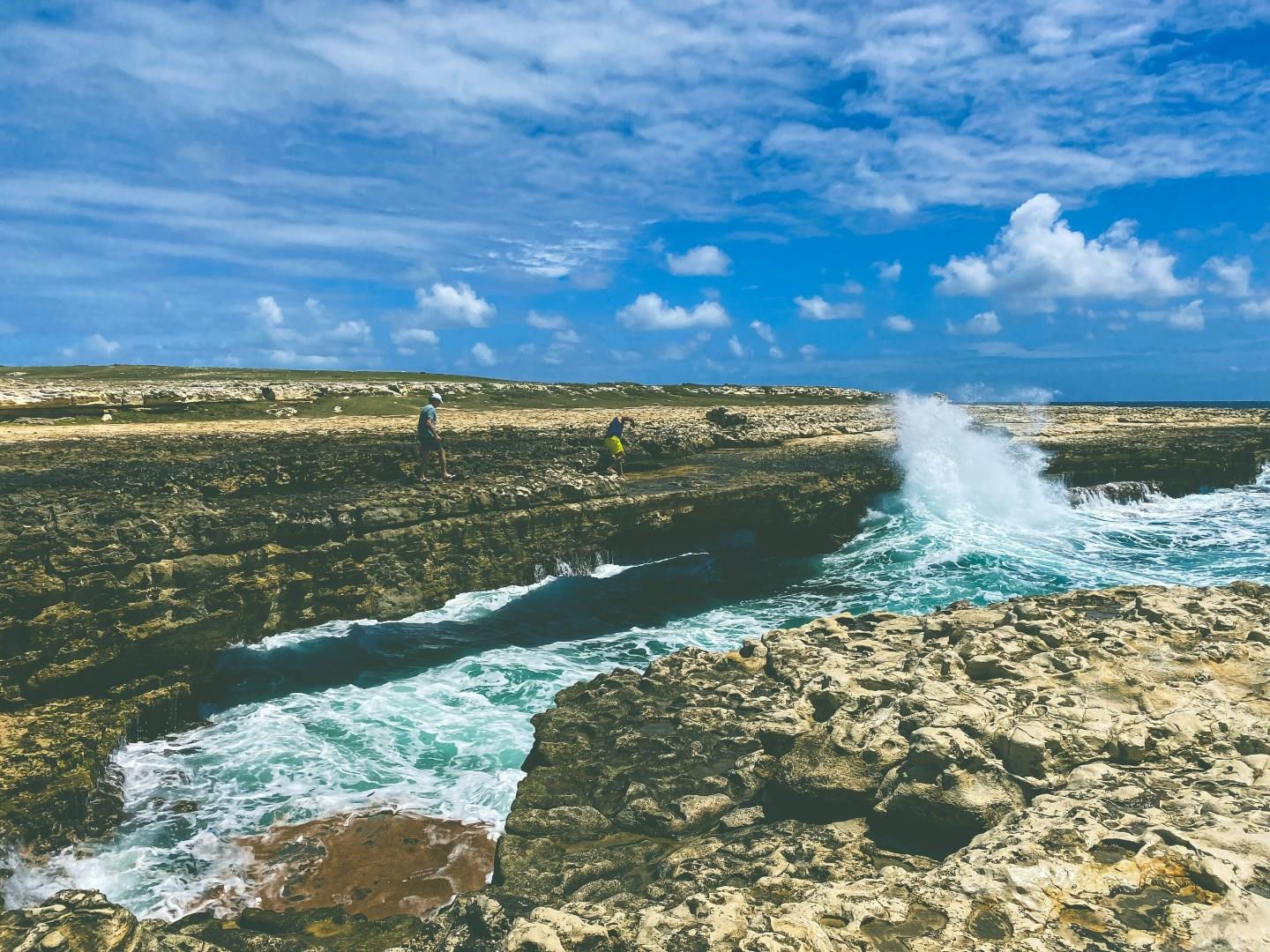
Devil's Bridge National Park
Devil’s Bridge National Park, located on the rugged Atlantic coast of Antigua, is one of the island’s most dramatic natural landmarks. The park is named after its striking limestone arch, carved over centuries by relentless waves and wind.
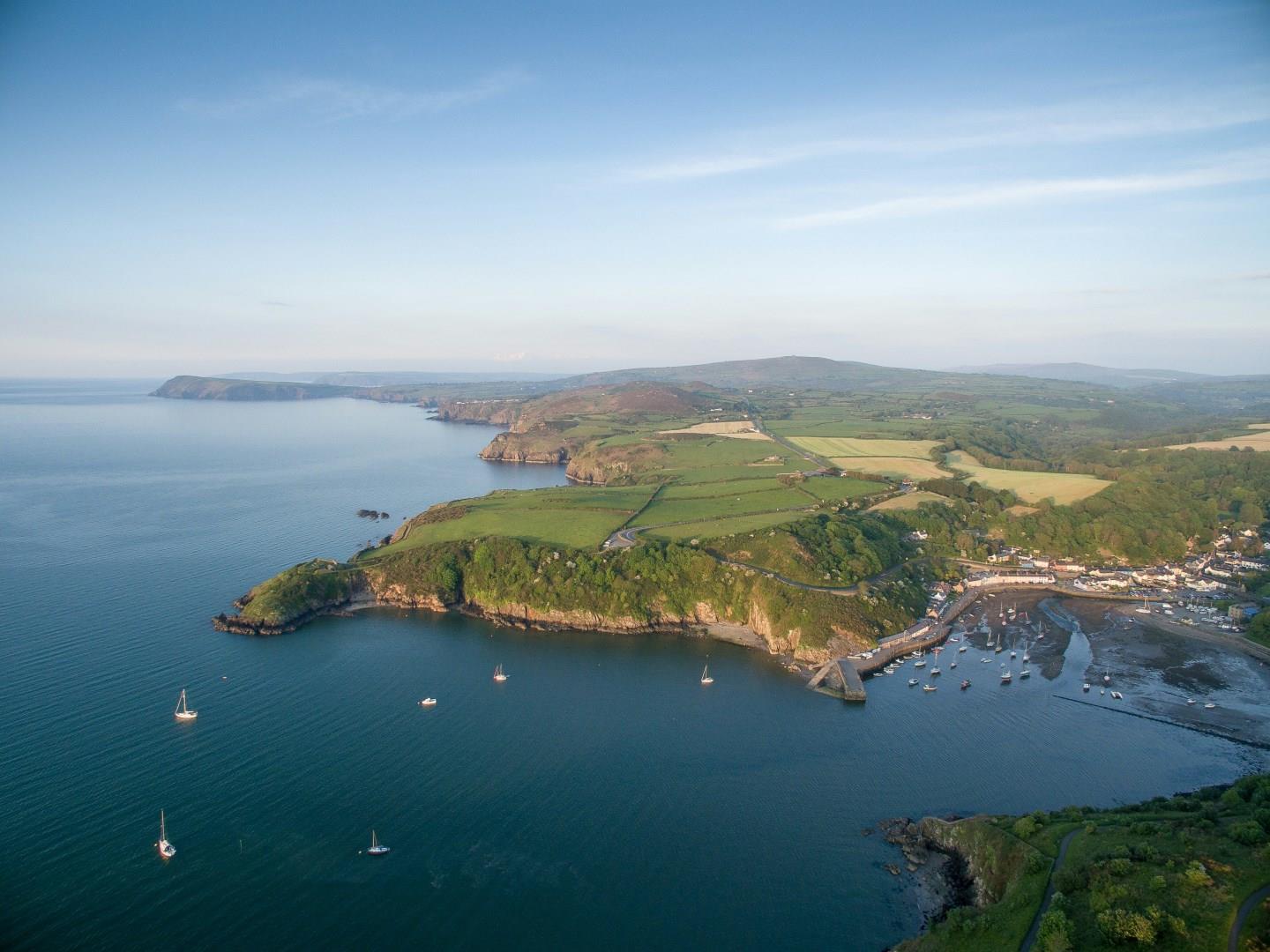
Fishguard
Fishguard, a coastal town in north Pembrokeshire, is divided into two parts: Fishguard and Lower Town. Lower Town is a small harbor nestled at the mouth of the River Gwaun, lined with fishing cottages and boats. It has served as a filming location for several productions, including the 1956 movie *Moby Dick* starring Gregory Peck. Visitors can walk the quayside, explore rock pools at low tide, or take boat trips along the Pembrokeshire Coast.

Dominica
Dominica, known as the “Nature Island of the Caribbean,” is a haven for eco-tourists and adventure seekers. Nestled between the French islands of Guadeloupe and Martinique, this lush island boasts a remarkable landscape of volcanic mountains, dense rainforests, and stunning waterfalls. Dominica’s most iconic natural wonder is the Boiling Lake, the second-largest hot spring in the world.

Cobh
Cobh, a colorful harbor town in County Cork, holds a unique place in Irish history and maritime heritage. Once known as Queenstown, it was the final port of call for the Titanic in 1912. Today, the Titanic Experience Cobh offers visitors a chance to step into the footsteps of the 123 passengers who boarded that day. Located in the original White Star Line ticket office, the museum tells personal stories of those who left from this very spot, blending interactive exhibits with original artifacts.

Uluru
Located in Australia's Northern Territory, Uluru is an iconic sandstone formation and UNESCO World Heritage site. This red rock monolith, believed to be over 500 million years old, has been considered sacred by Australia's indigenous peoples for thousands of years and is one of the country's most well-known natural landmarks. This spiritual destination will astound you at sunrise and sunset, when the warm sunlight turns Uluru to deep hues of red and orange.
