
Kristiansund
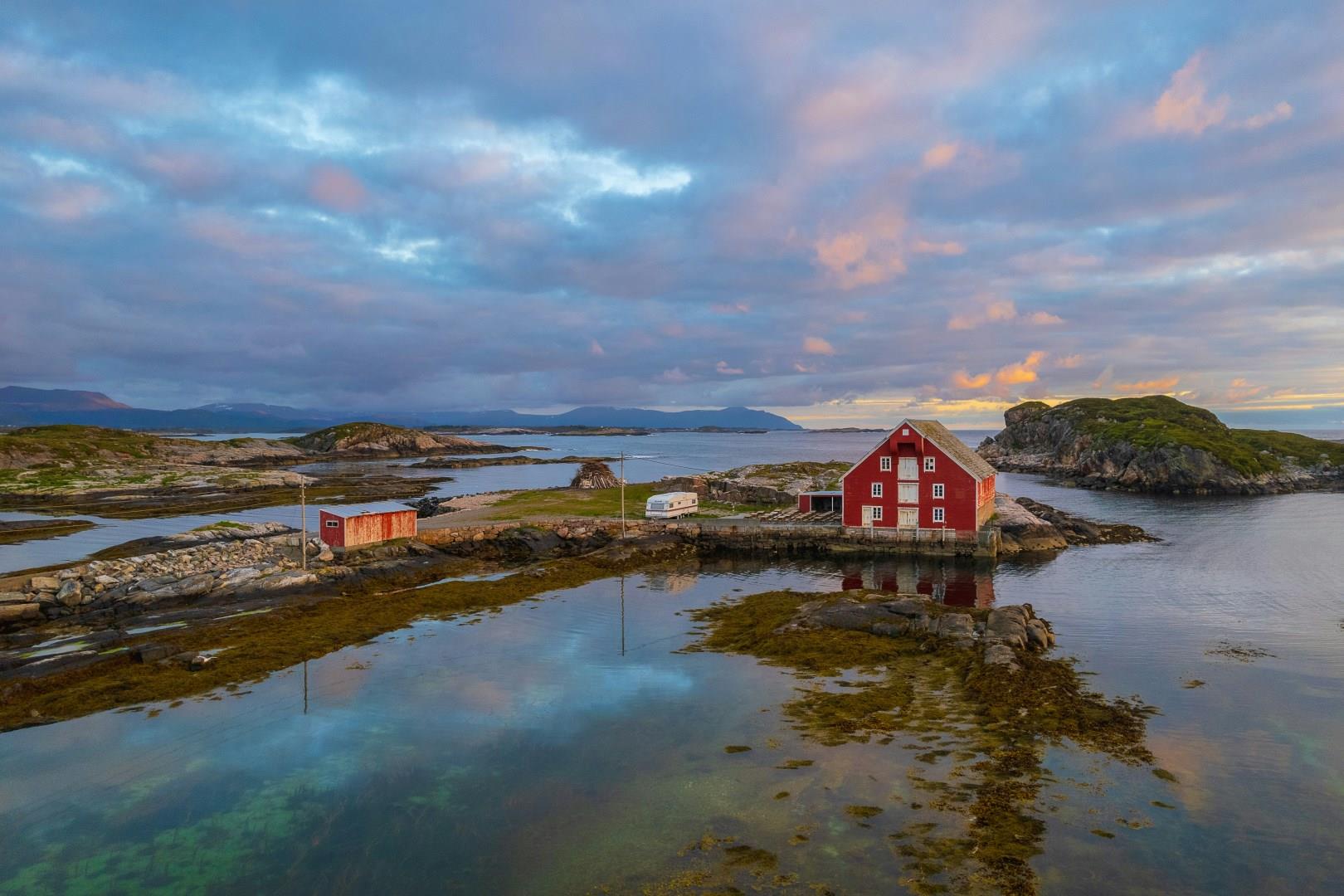
Kristiansund is a town facing the North Atlantic, on the west coast of Norway. Both its history and geographical position are unique. It is not a big town and does not have a large population, but the friendly attitude of the people who live here and their way of life, makes it a town with a big heart. Its business centre is close to green parks and small forests. The beautiful view of the surrounding mountains completes the picture.
Antalya
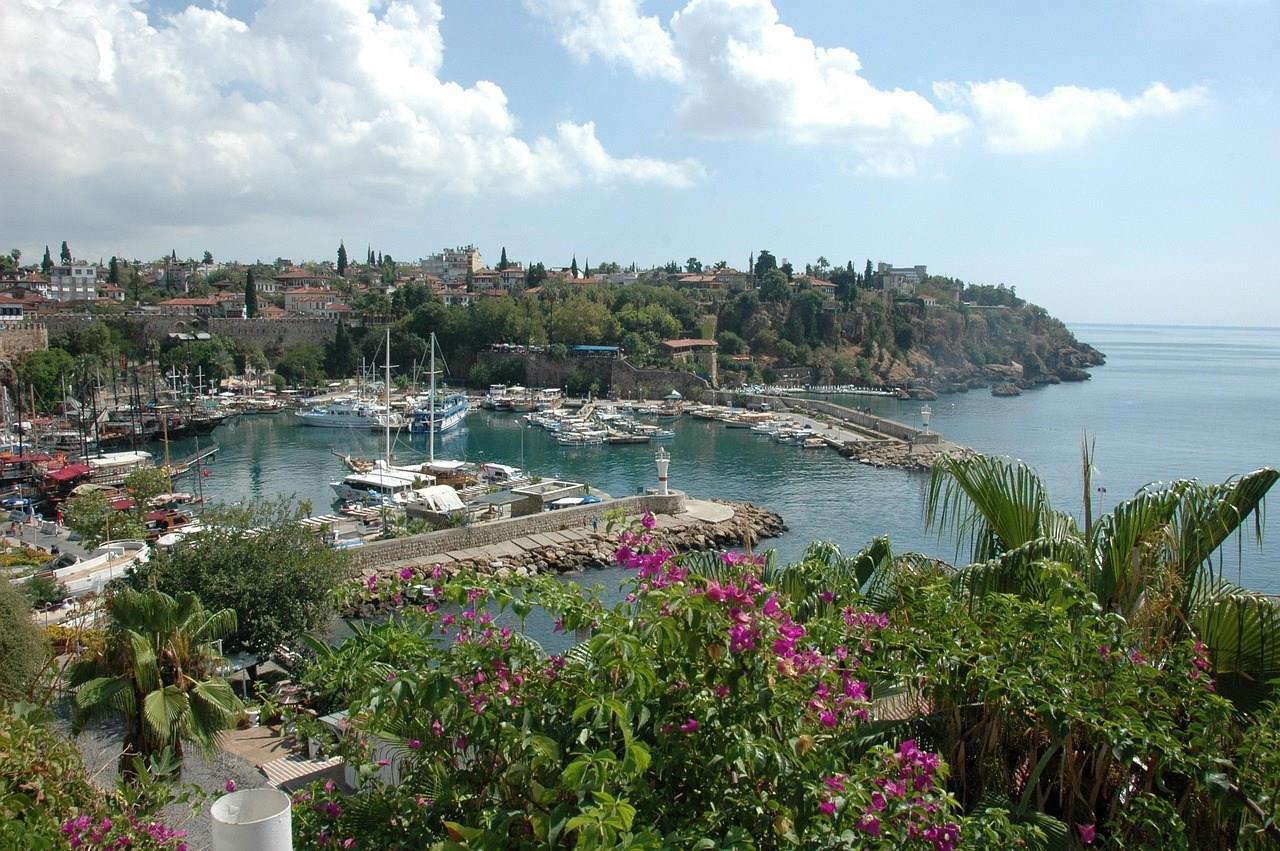
One of Turkey's popular holiday vacation spots, Antalya is an engaging city. The region is immersed in sunshine for 300 days of the year, making it a hot spot for sunbathing, swimming and activities like wind-surfing, water-skiing, sailing, mountain climbing and caving.
Lome
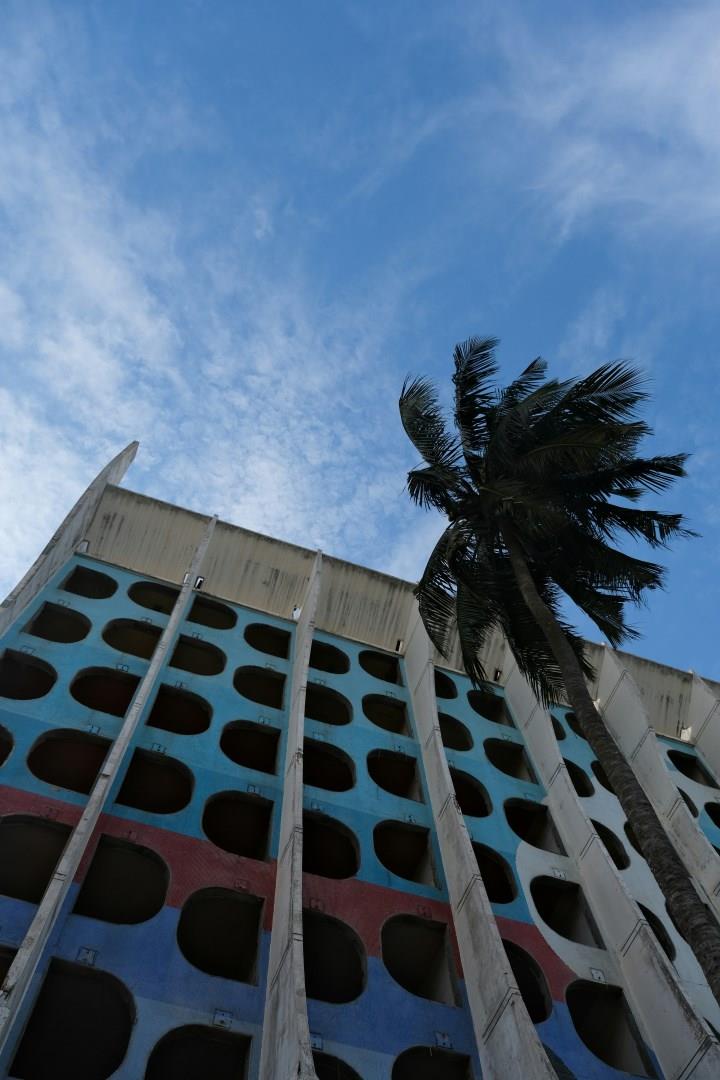
Lomé, the capital city of Togo, sits along the Gulf of Guinea and serves as both the political and cultural heart of the country. Lomé’s coastline features beaches where locals gather and where visitors can enjoy views of the Atlantic Ocean.

Da Nang
Da Nang, a vibrant coastal city in central Vietnam, offers a delightful blend of natural beauty, rich history, and modern attractions. Known for its stunning beaches and dynamic skyline, Da Nang is a gateway to some of Vietnam’s most iconic landmarks.

Shrewsbury
Shrewsbury, a picturesque market town in Shropshire, England, is celebrated for its medieval charm, riverside setting, and remarkably well-preserved architecture. Encircled almost entirely by a loop of the River Severn, the town’s winding streets and timber-framed buildings transport visitors back through centuries of English history.
