
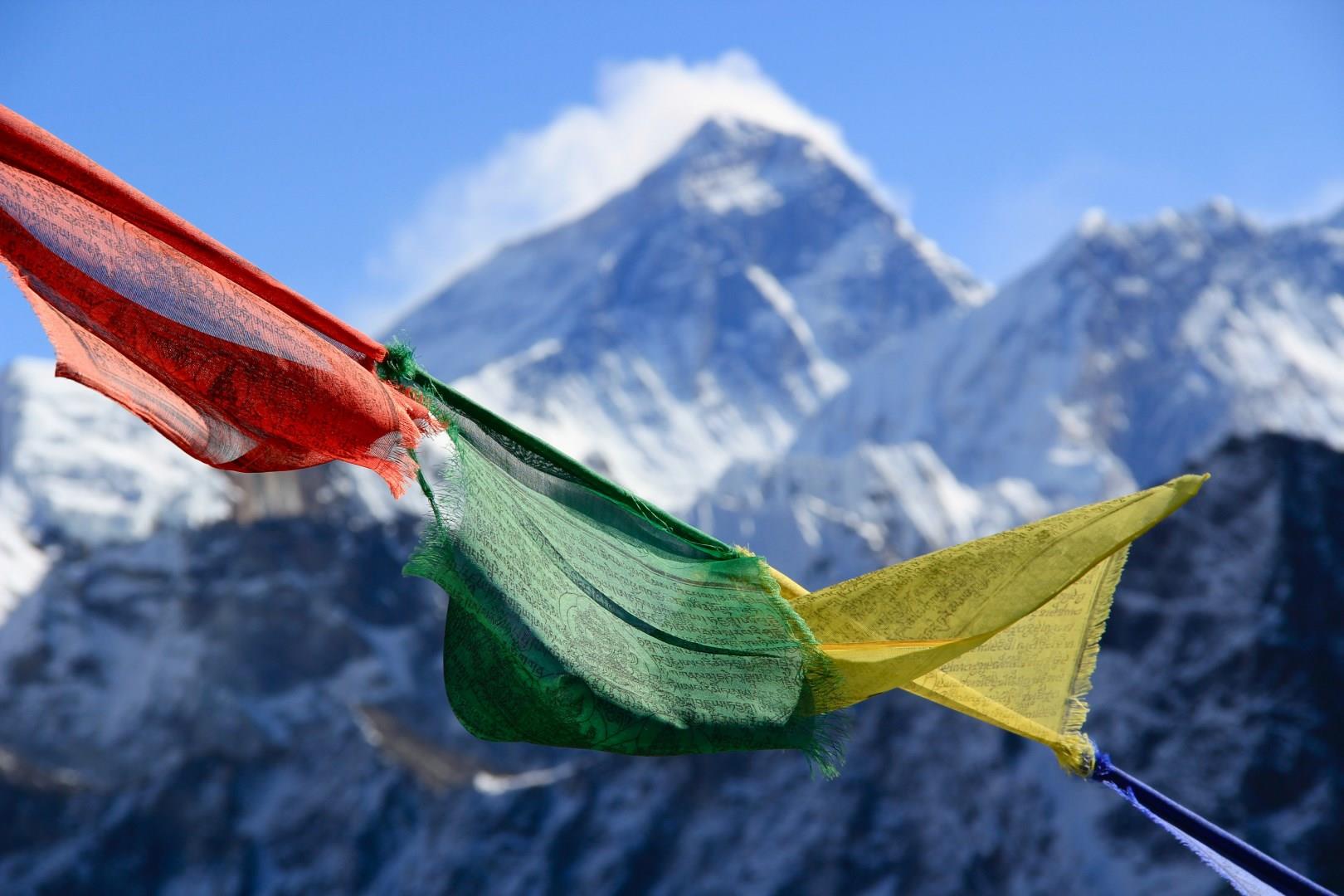
Gokyo
Gokyo is a small settlement high in Nepal’s Khumbu region, set beside a chain of turquoise glacial lakes beneath the Himalaya. Its significance is closely tied to trans-Himalayan trade routes and to Sherpa culture, which has adapted over generations to life at extreme altitude.
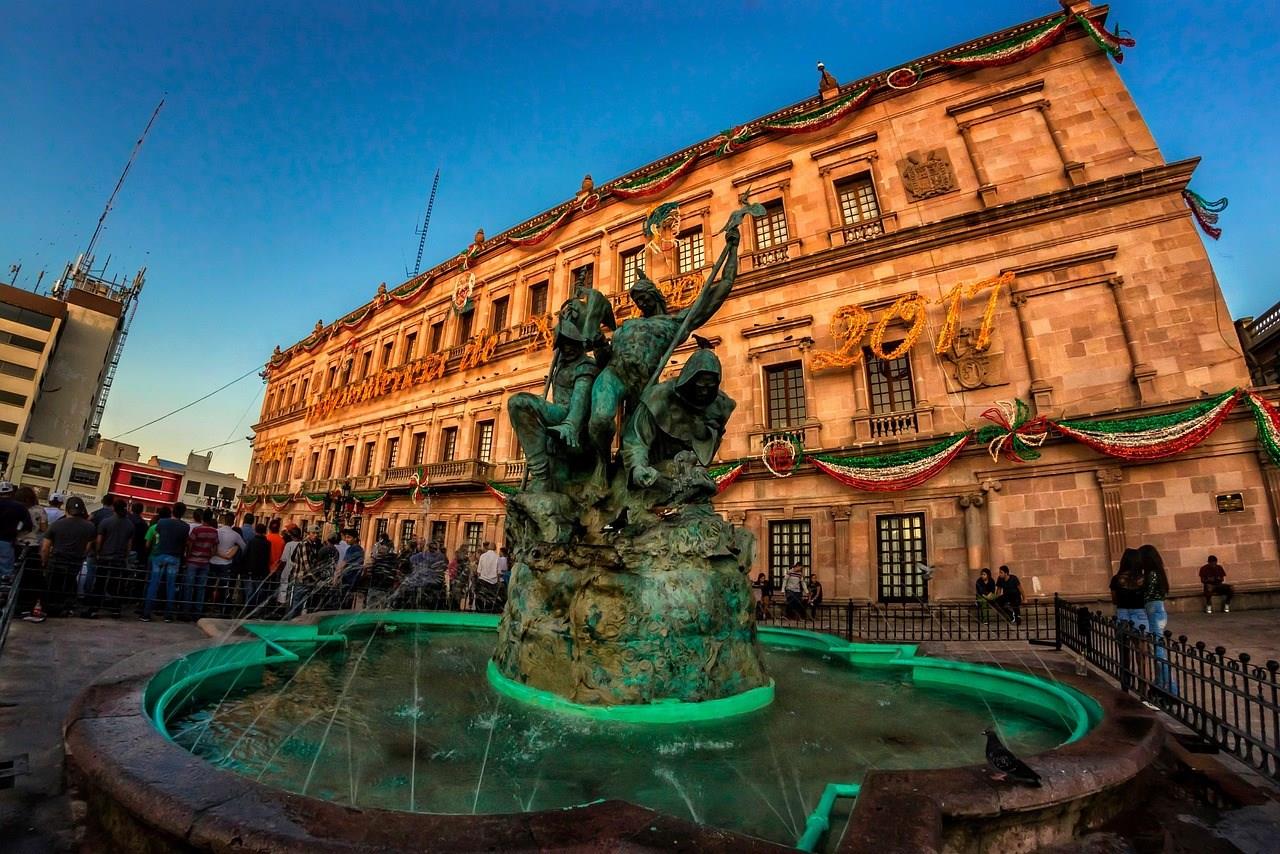
Saltillo
Saltillo, the capital of Coahuila, blends centuries of tradition with a quiet confidence that rewards travelers looking for something different. Founded in 1577, the city’s colonial heritage is on full display in its well-preserved downtown, where the Catedral de Santiago towers above Plaza de Armas. Just steps away, the Alameda Zaragoza park offers shaded paths and fountains, providing a peaceful break between stops at nearby museums.

Maui Island
Maui is a Hawaiian paradise offering an incredible variety of landscapes, experiences, and cultural traditions. Known for its valleys, beaches, and volcanic peaks, Maui attracts visitors who want to immerse themselves in nature and Hawaiian heritage. The island’s crown jewel is Haleakalā National Park, where the massive dormant volcano provides beautiful scenery and unforgettable sunrise views. Visitors can hike through the park or stargaze under one of the clearest night skies in the world.

Kahului, Maui
Located on the island of Maui, Kahului serves as the island's vibrant commercial hub and a gateway to many of its top attractions, offering visitors an exciting blend of local culture, historic sites, and easy access to Maui’s stunning landscapes. The town is a short drive from some of the island’s most striking destinations, including the majestic Haleakalā National Park and the nearby Hana Highway, with its lush rainforests and hidden waterfalls.

Kiel
This city is the last stop on one of the busiest artificial waterways in the world, the Kiel Canal. It is an important base for the German Navy and famous for its international sailing event, the "Kieler Woche", an annual sailing event that attracts millions of people around the world.
