
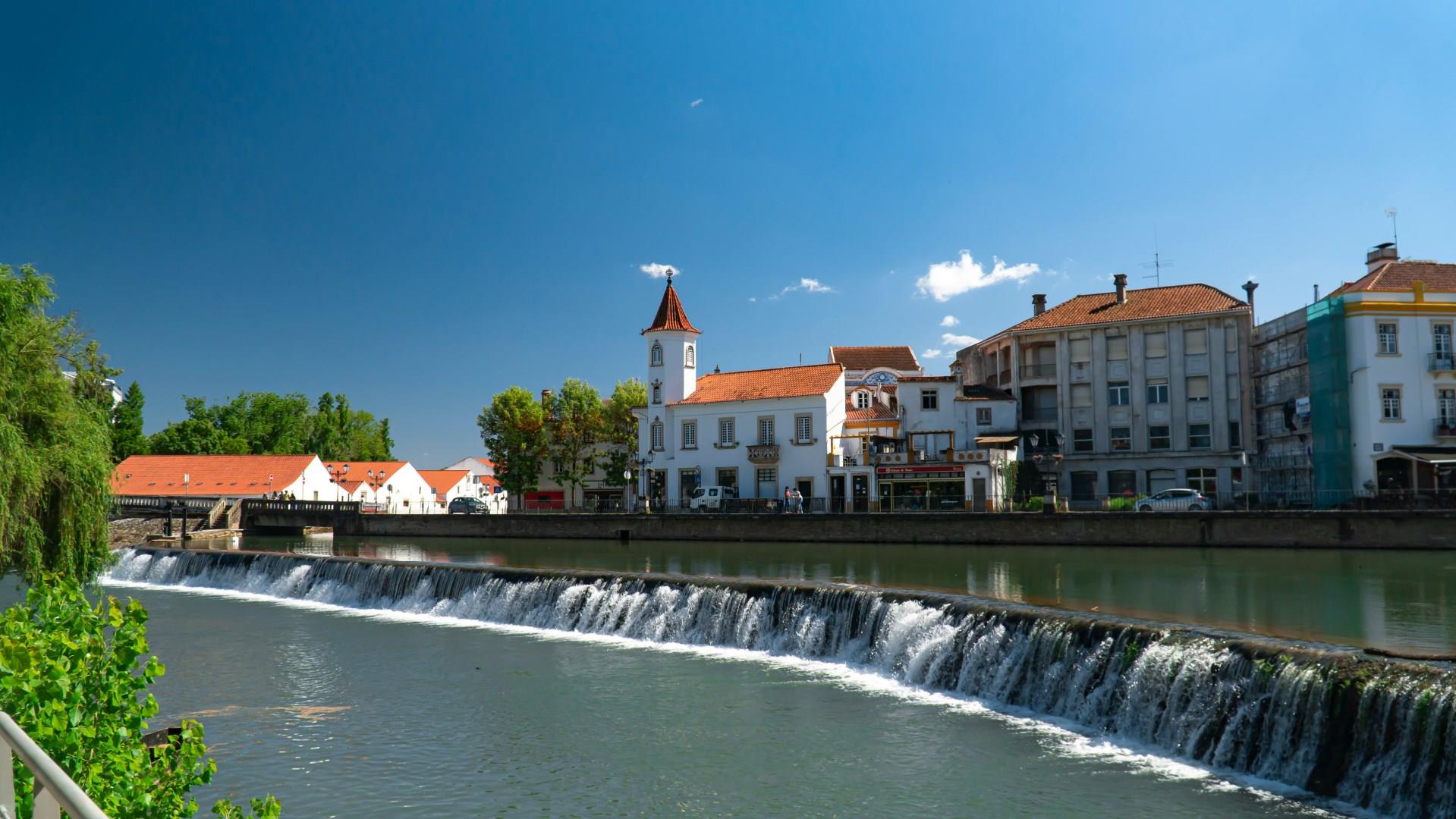
Tomar
Tomar sits on the Nabão River in central Portugal as a place where medieval history and everyday life meet in welcoming streets and grand monuments. Just outside the convent walls lies the Pegões Aqueduct, an impressive feat of engineering more than 6 kilometers long that once carried water from distant springs to the hilltop site. Some sections of its arches rise more than 30 meters above the valley floor, making it a striking backdrop for photos.

Angkor Wat
Angkor Wat, located near Siem Reap in Cambodia, is a mesmerizing testament to the grandeur of the Khmer Empire and one of the world's most remarkable archaeological sites. Built in the early 12th century by King Suryavarman II, Angkor Wat was originally dedicated to the Hindu god Vishnu but later became a Buddhist temple.

Guinea-Bissau
With its untouched natural wonders, rich cultural traditions, and welcoming people, Guinea-Bissau offers an off-the-beaten-path experience for those seeking something truly unique.
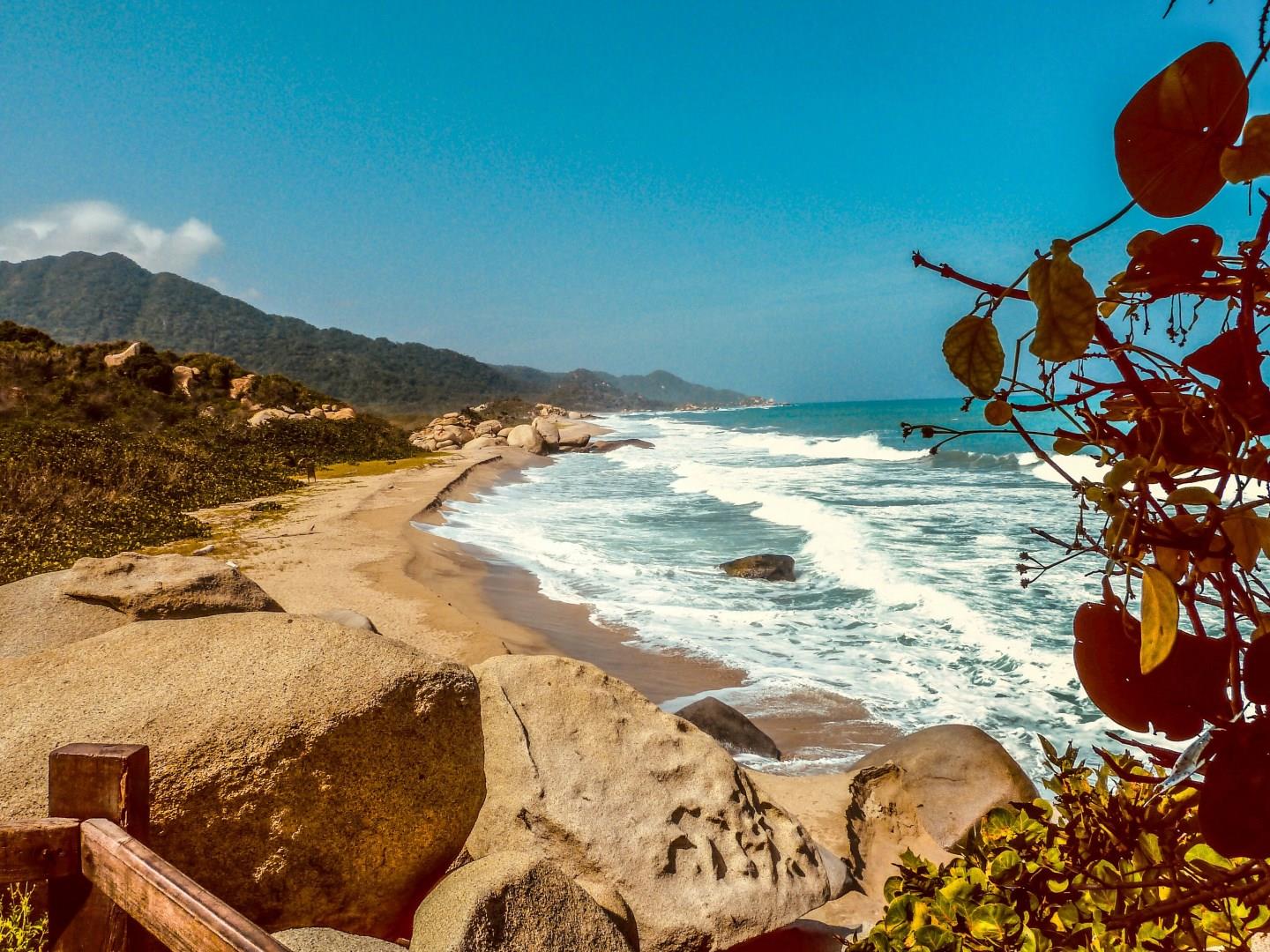
Tairona National Park
Tayrona National Natural Park, located on Colombia’s northern Caribbean coast, is where the Sierra Nevada mountains plunge into the sea, creating a landscape of wild beaches, dense rainforest, and ancient archaeological sites. Just an hour from Santa Marta, this protected area stretches over 150 square kilometers of land and marine territory. Its coastline is dotted with hidden coves, palm-fringed bays, and massive boulders sculpted by wind and time.
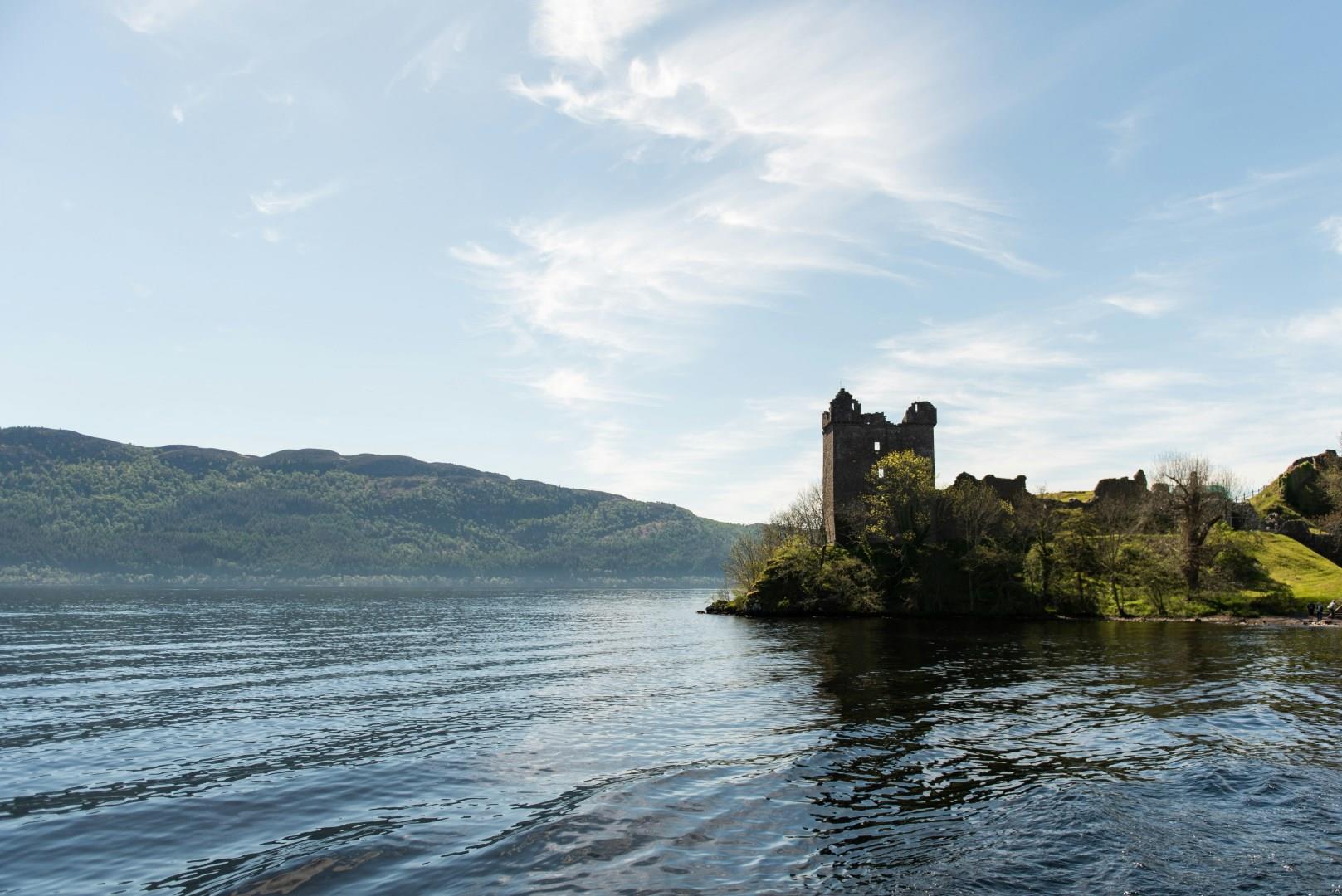
Loch Ness
Loch Ness stretches over 23 miles through the Scottish Highlands, holding more freshwater than all the lakes in England and Wales combined. Best known for its elusive resident, the so-called Loch Ness Monster, the loch has sparked international curiosity since the first modern "sighting" in 1933. While Nessie remains elusive, the surrounding landscape offers clear reasons to visit with steep hillsides, forested trails, and ancient ruins framing one of Scotland’s most iconic bodies of water.
