

Jaipur
Jaipur, the capital of Rajasthan, is often called the “Pink City” for the terracotta-hued buildings that line its historic streets. Founded in 1727, it was one of India’s first planned cities, designed with wide avenues and grand public squares.

Cusco
Cusco once served as the heart of the Inca Empire, and that legacy still shapes every corner of the city even as it serves as a gateway to Machu Picchu. Outside the historic center, the ruins of Sacsayhuamán overlook the city from a nearby hilltop. This ceremonial complex is best known for its massive zigzag stone walls, some weighing over 100 tons. During the Inti Raymi festival in June, thousands gather here to reenact ancient Andean rituals.

Shimizu
Shimizu, a picturesque port in Shizuoka City, offers stunning views of Mount Fuji on clear days. Shimizu is known for its rich maritime history, and a culinary highlight is its fresh seafood, particularly tuna. The port boasts the highest tuna catch in Japan, making it a prime destination for sushi fans.
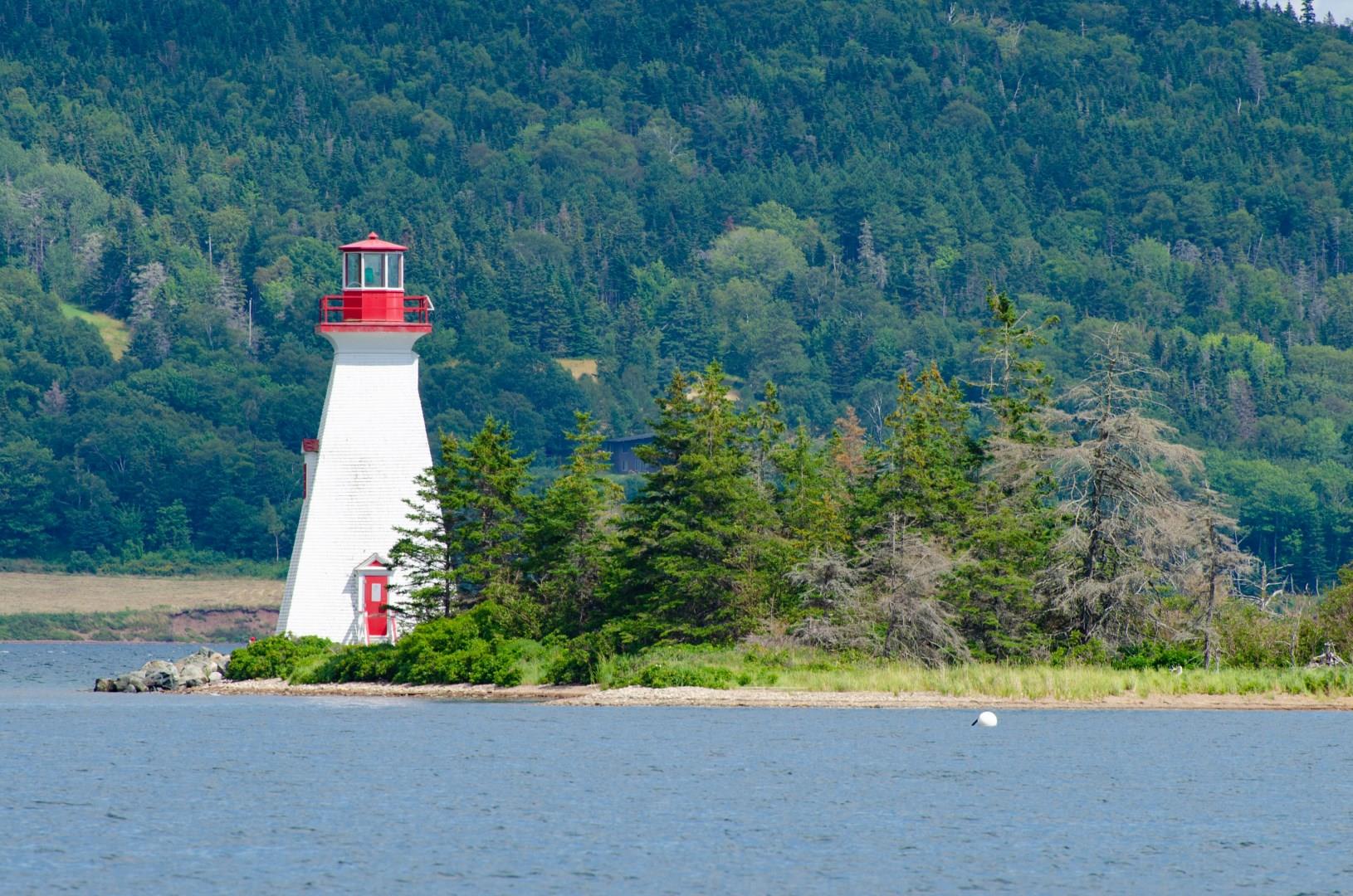
Baddeck, Cape Breton Island
Baddeck sits along the calm waters of the Bras d’Or Lake on Cape Breton Island in Nova Scotia, a village with deep roots and stories to tell. Its name comes from an Indigenous word thought to mean “place with an island near,” a nod to nearby Kidston Island and the long history of the Mi’kmaq people in the area. A highlight for many visitors is the Alexander Graham Bell National Historic Site, where the legacy of one of history’s most inventive minds comes alive.
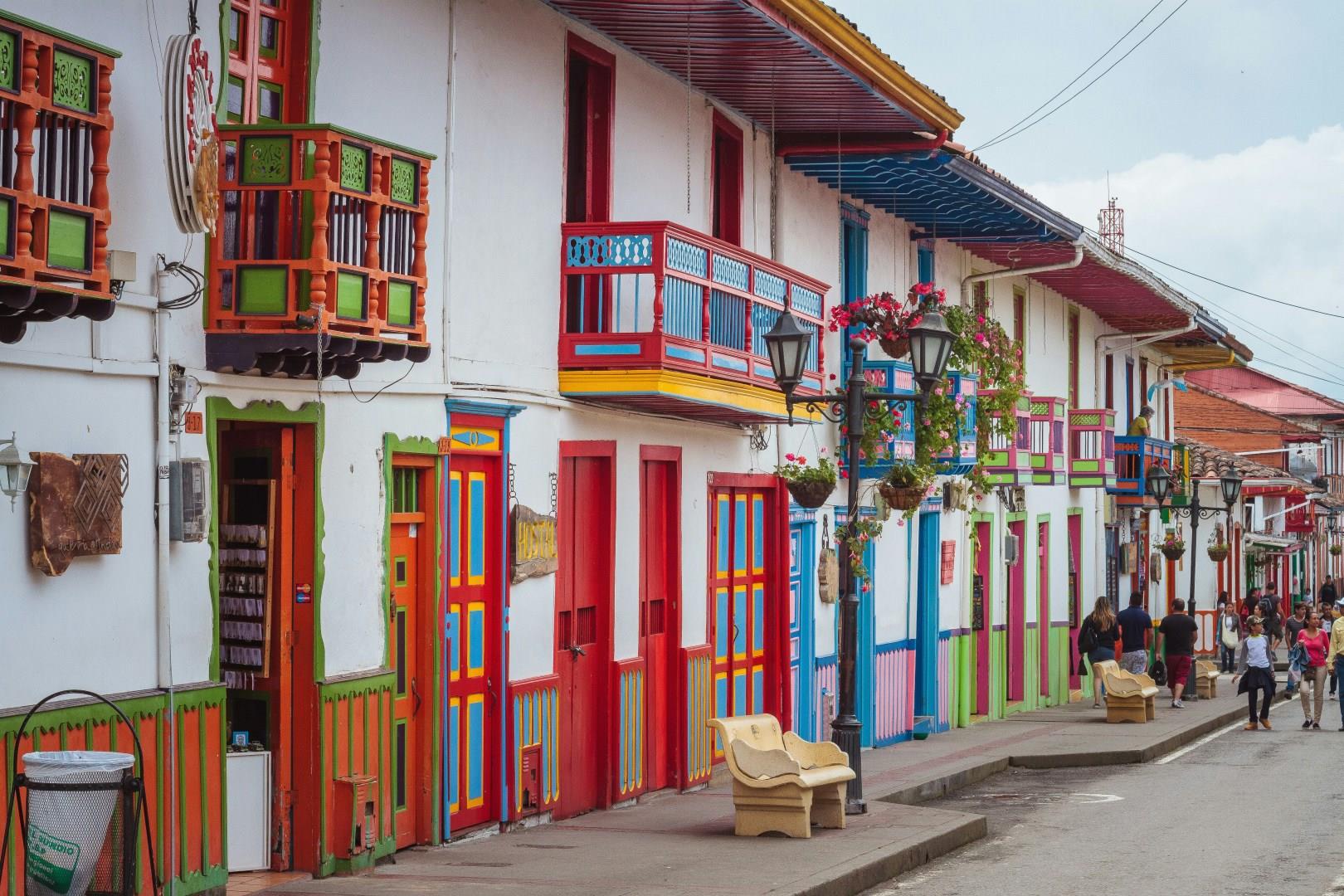
Salento
Salento is the sun-kissed peninsula at the southern tip of Italy’s Puglia region, where history, seaside views, and lively local customs create a destination unlike any other. Its coastline stretches between the Adriatic and Ionian seas, offering beaches with clear, turquoise water and soft sand at places like Torre dell’Orso, Punta Prosciutto, and Porto Cesareo, each with its own character and allure for visitors exploring the shore.
