
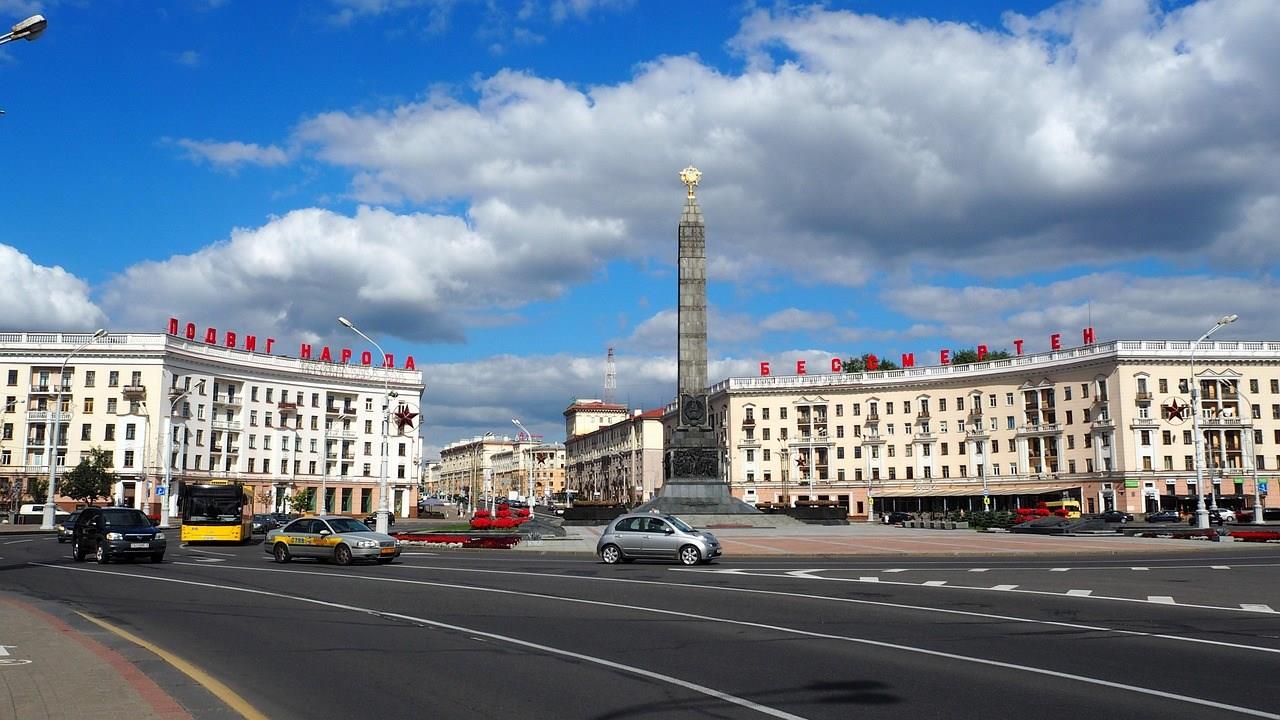
Minsk
Minsk, the capital of Belarus, is a city rich in history, culture, and architectural beauty. As one of the oldest cities in Europe, it has a unique charm that blends Soviet-era monumentalism with modern urban development.

Florida
Florida, the Sunshine State, is a premier destination for travelers seeking a combination of stunning beaches, exciting theme parks, and rich cultural experiences. With over 1,350 miles of coastline, visitors can enjoy pristine stretches of sand along both the Atlantic Ocean and the Gulf of Mexico.
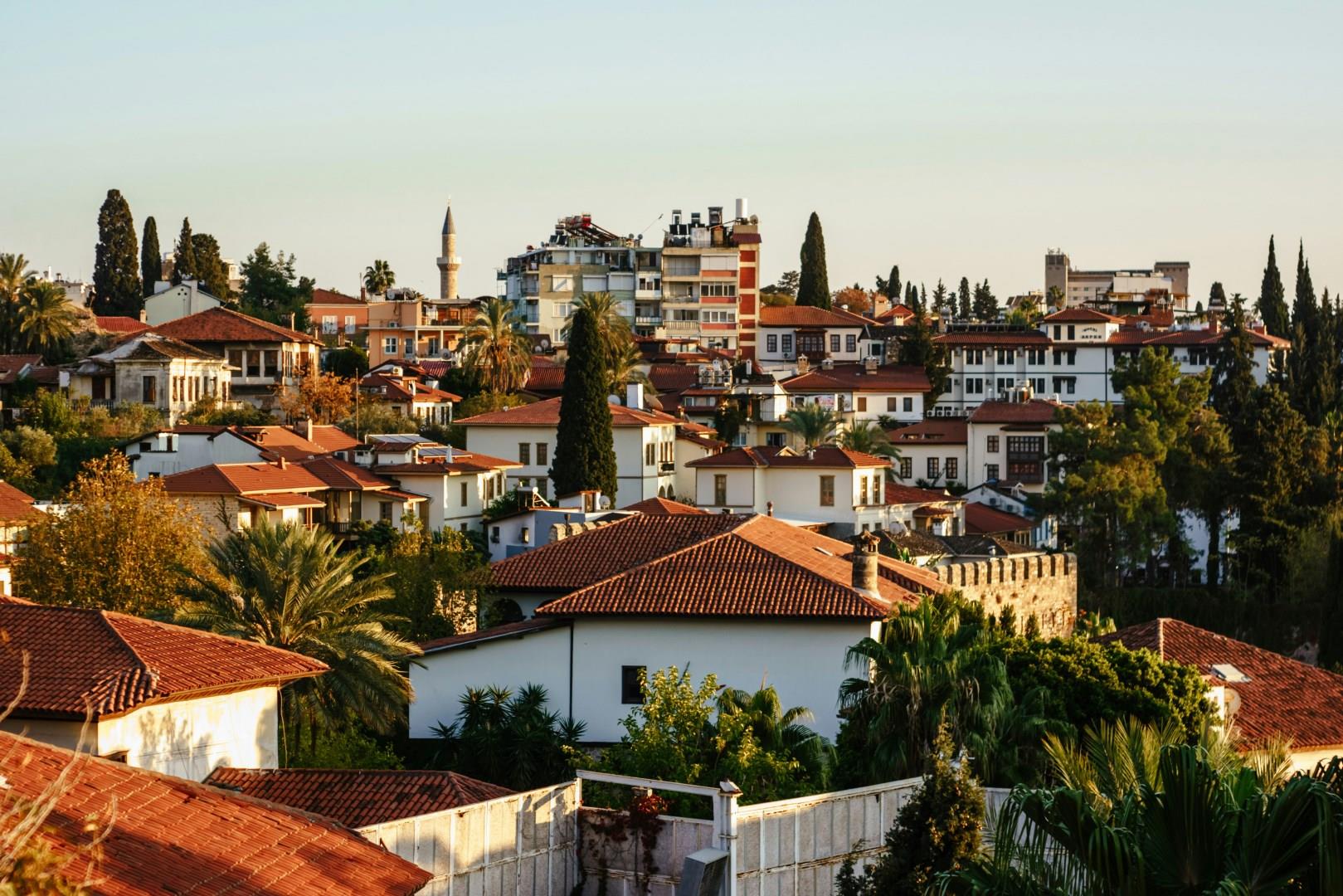
Selcuk
Selcuk, a small town in western Turkey’s İzmir Province, is one of the country’s richest destinations for history lovers. It sits at the foot of the ancient city of Ephesus, once one of the great cities of the classical world and home to the Temple of Artemis, one of the Seven Wonders of the Ancient World.

Palmeira
On the north-western coast of Sal Island in Cape Verde sits Palmeira, an authentic fishing settlement where day-to-day life still revolves around the sea. The village’s seaside restaurants serve grilled tuna, octopus, and flying fish fresh from the day’s catch. Just a short trip from the centre lies Buracona, a natural lava rock pool famous for the “Blue Eye,” a glowing underwater cave that shines when the sunlight hits at just the right angle.

Flåm
Flåm is a charming village nestled in the breathtaking fjords of Norway. Highlights include the Flåm Railway Museum, Fretheimshaugane park, and Otternes Bygdetun, a remote farm dating back to the 18th century.
