
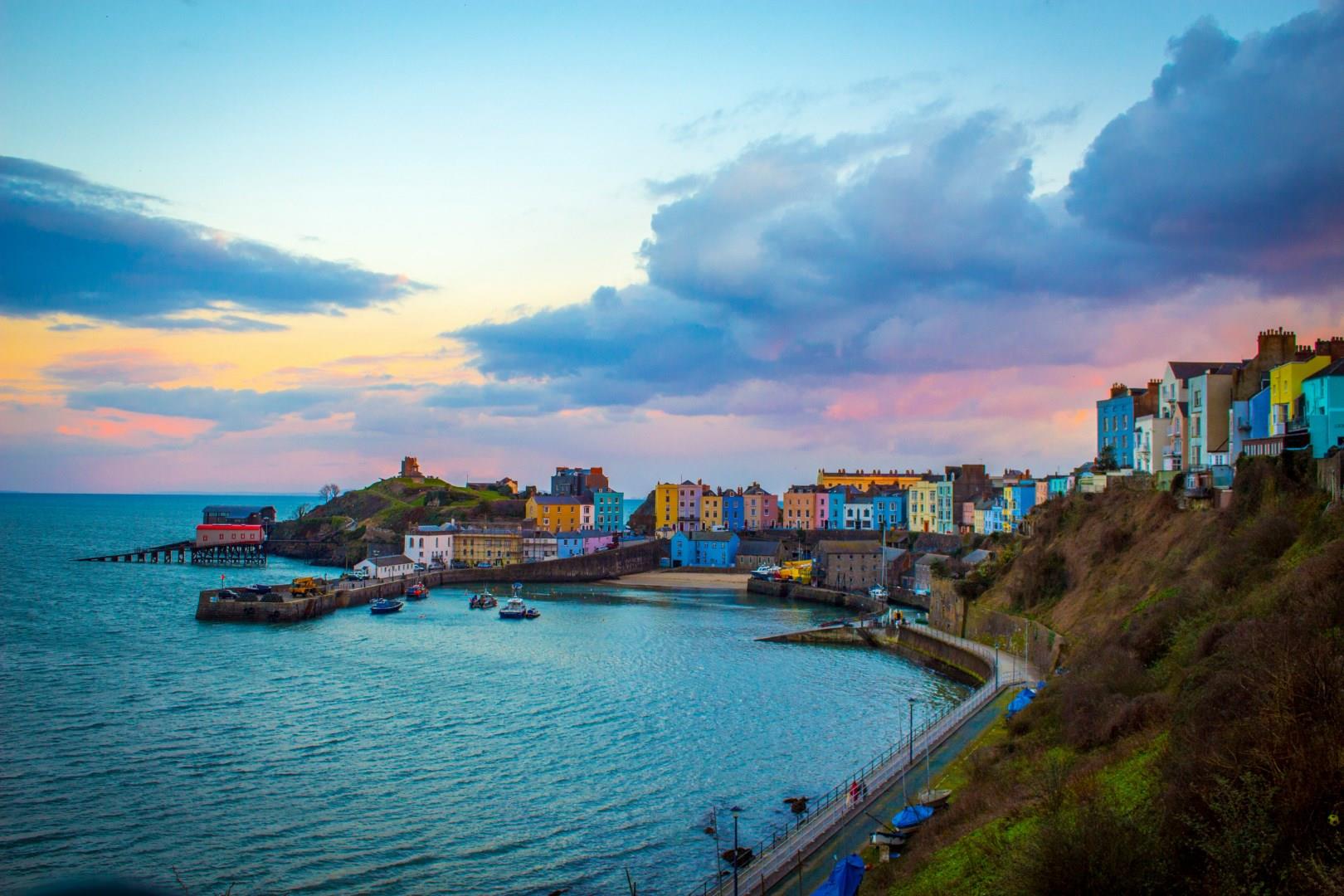
Tenby
Tenby sits on the Pembrokeshire coast of southwest Wales, where medieval walls still encircle a compact town above the sea. Its history as a fortified port is visible in stone ramparts, narrow lanes, and the ruins of Tenby Castle, which overlook the harbor.
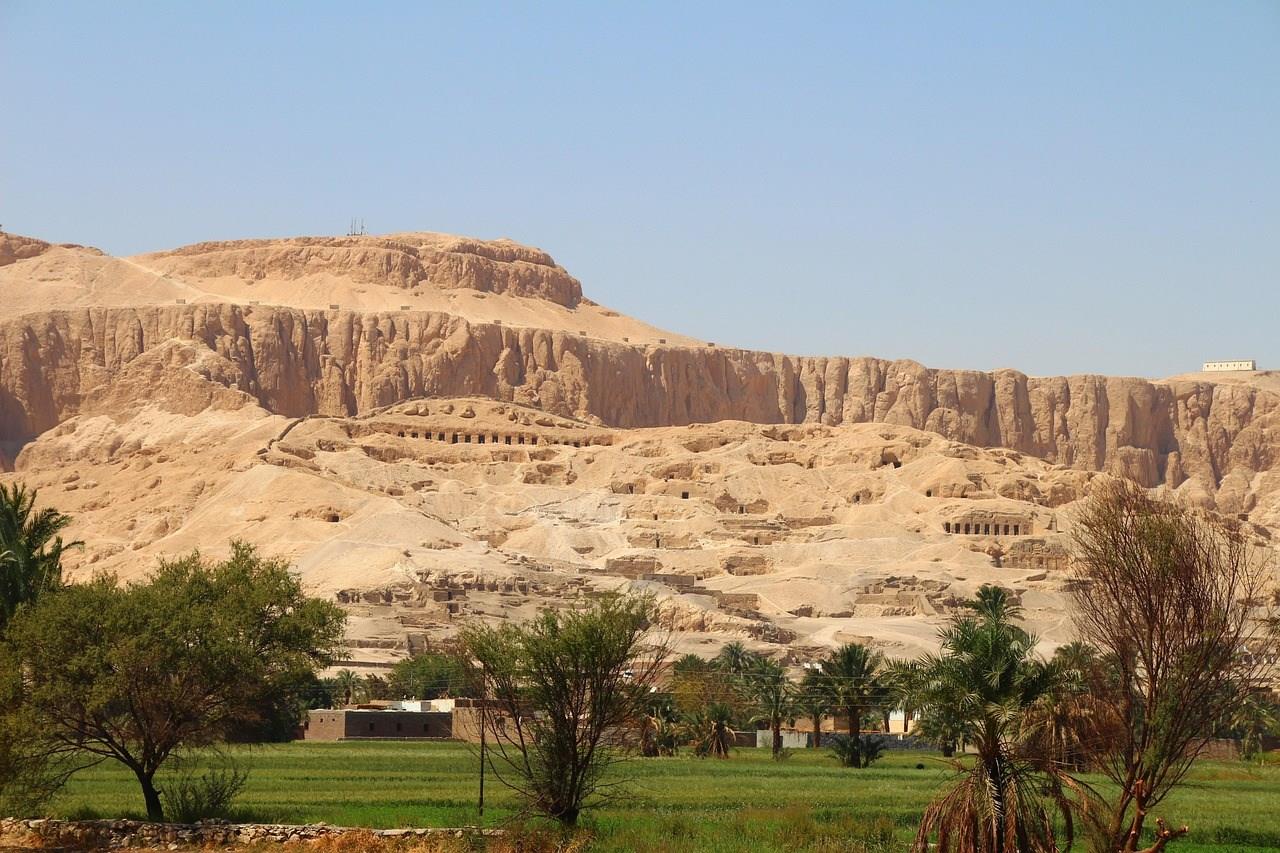
Valley of the Kings and Queens
The Valley of the Kings and the Valley of the Queens, located on the west bank of the Nile near Luxor, Egypt, are two of the world’s most significant archaeological sites. For over 500 years during the New Kingdom (16th–11th centuries BCE), these valleys served as the burial grounds for pharaohs, queens, and high-ranking nobles.

Cochem
Along the banks of the Moselle River, Cochem is a charming village known for Reichsburg castle as well as its old town, with its half-timbered houses.

Chicago
Chicago, Illinois, is a vibrant metropolis that combines architectural marvels, rich cultural offerings, and dynamic neighborhoods. Known as the "Windy City," Chicago is home to some of the most iconic landmarks in the United States. The Millennium Park, with its striking Cloud Gate sculpture, popularly known as "The Bean," is a must-see for visitors.

Silistra
Silistra, a charming city located on the southern bank of the lower Danube River in Bulgaria, is a hidden gem that seamlessly blends ancient history with natural beauty.
