
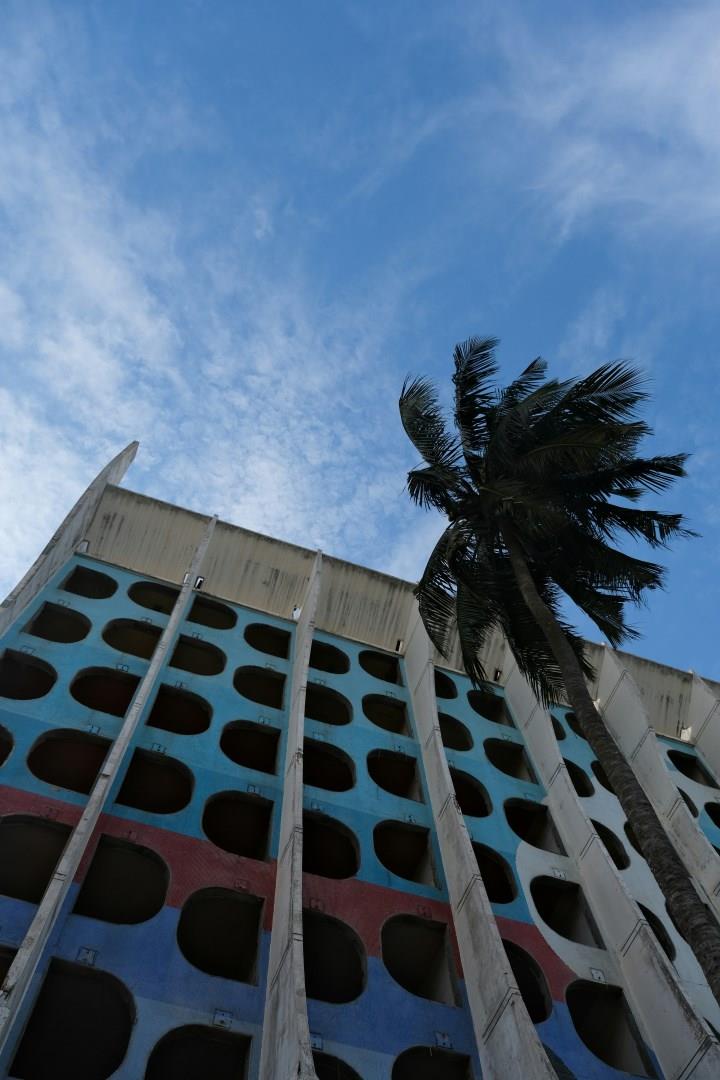
Lome
Lomé, the capital city of Togo, sits along the Gulf of Guinea and serves as both the political and cultural heart of the country. Lomé’s coastline features beaches where locals gather and where visitors can enjoy views of the Atlantic Ocean.

Granada
Granada, nestled at the foot of the Sierra Nevada mountains in southern Spain, is a city where history and culture converge in a mesmerizing blend. The jewel of Granada is the Alhambra, a stunning palace and fortress complex that dates back to the 13th century. This UNESCO World Heritage Site is a testament to the city's Moorish past, showcasing intricate Islamic art and architecture.

Marseille
Marseilles is an enticing port city known for its delectable seafood, breathtaking views of the Mediterranean, and diverse melting pot of cultures.

Burkina Faso
Who would have thought, back in the tumultuous coup and counter coup days of the 1970s, that Burkina Faso would become the cultural darling of West Africa? Unlikely as it seems, Burkina Faso has become the Utah of West Africa, hosting a biennial film festival that rivals the Sundance Film Festival for cultural clout. When it's not hosting film festivals, it's busy organizing its other biennial cultural festival.
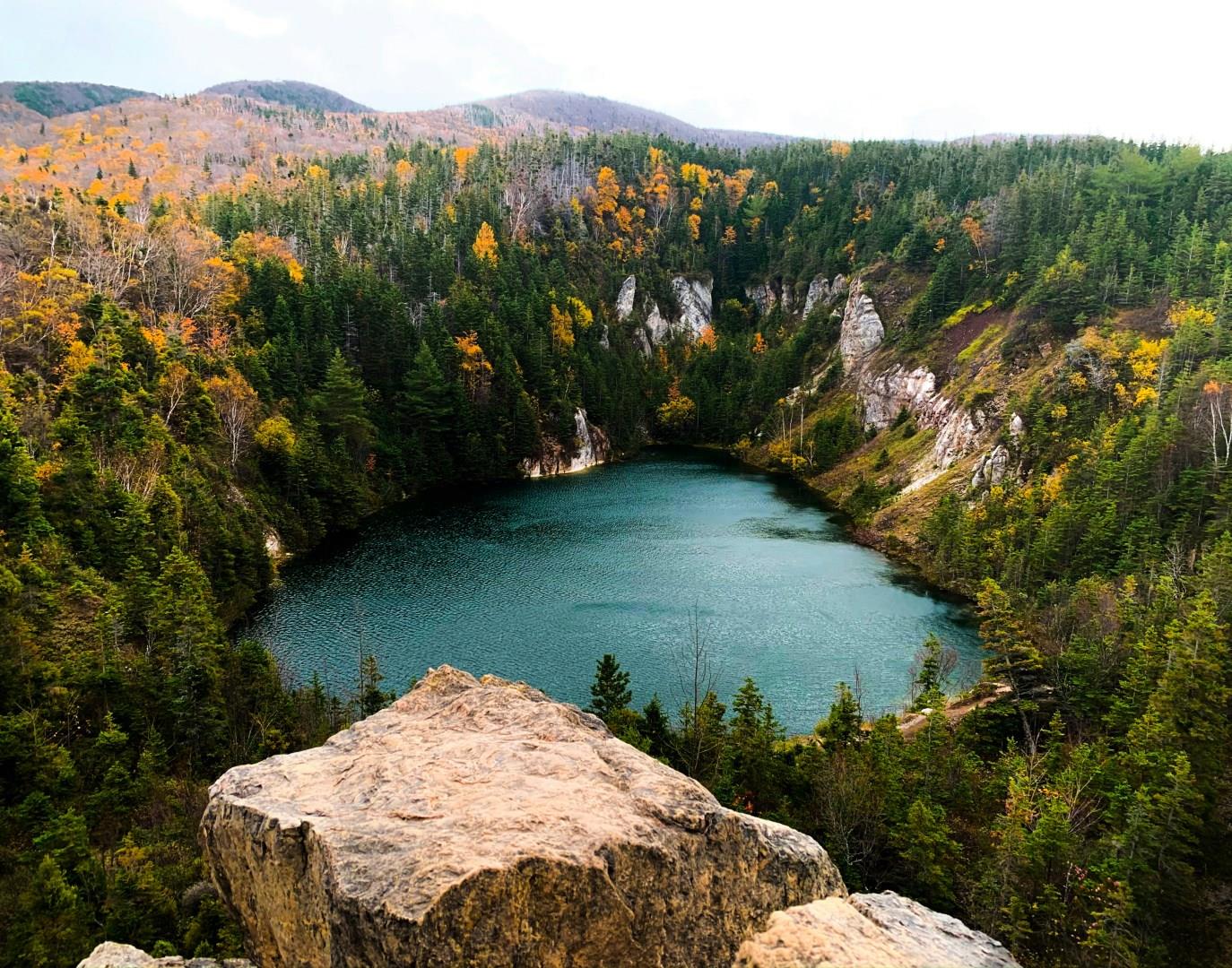
Cape Breton Island
Cape Breton Island sits off the eastern coast of Nova Scotia and welcomes visitors with rolling hills, wide waters and a calendar full of engaging experiences. In the village of Baddeck, the shores of the Bras d’Or Lake reflect early morning sun on fishing boats and sailboats alike, and nearby Kidston Island, reached by a small summer ferry, holds a historic lighthouse and a sandy beach that invites relaxed afternoons by the water.
