

Portsmouth
Whether it’s delving into naval history, enjoying panoramic views, or soaking in the coastal charm, Portsmouth offers an engaging and memorable experience for all who visit.

Dominica
Dominica, known as the “Nature Island of the Caribbean,” is a haven for eco-tourists and adventure seekers. Nestled between the French islands of Guadeloupe and Martinique, this lush island boasts a remarkable landscape of volcanic mountains, dense rainforests, and stunning waterfalls. Dominica’s most iconic natural wonder is the Boiling Lake, the second-largest hot spring in the world.

Volterra
Nestled in the heart of Tuscany, Volterra offers a captivating journey through time with its well-preserved medieval charm and Etruscan roots. The city's history is evident as you wander through its narrow, winding streets, flanked by ancient walls that date back to the Etruscan period. The Roman Theater, built in the 1st century AD, is a testament to the city's significance in antiquity and provides an evocative glimpse into Volterra’s storied past.

Bahamas
The Bahamas, an archipelago of more than 700 islands and cays, is known for its dazzling turquoise waters, powdery white and pink sand beaches, and vibrant culture rooted in African, British, and Caribbean influences.
Melbourne
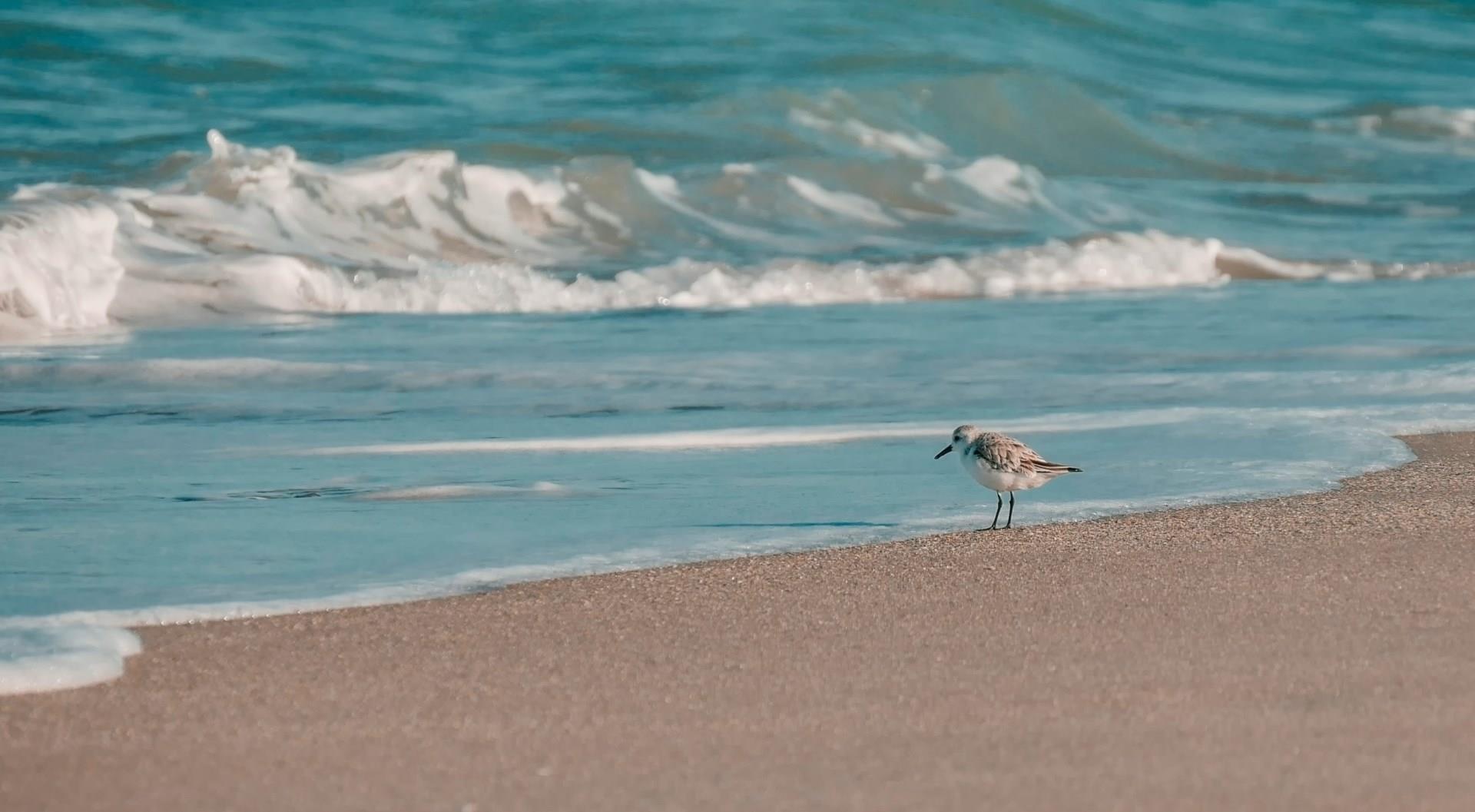
Melbourne, Florida, is a charming city that combines coastal beauty with a rich tapestry of cultural and recreational activities. Nestled along the Atlantic coast, Melbourne offers pristine beaches and vibrant outdoor experiences. The Historic Downtown Melbourne is a delightful area where you can explore unique shops, dine at quaint restaurants, and soak in the small-town charm.
