

Puno
Situated on the shore of Lake Titicaca, Puno is referred to as the folkloric capital of Peru due to its artistic and cultural expressions, particularly dance. Notable landmarks include the Andean baroque-style Puno Cathedral and the Yavari, a 19th-century steamship. Products created from alpaca, llama, or sheep wool are a signature of the area, as well as musical instruments like the siku.

Taupo
Taupō, located in the heart of New Zealand’s North Island, is built along the shores of Lake Taupō, which is the largest freshwater lake in Australasia, formed nearly two thousand years ago by a massive volcanic eruption. That eruption was so powerful, it was recorded in ancient Chinese and Roman texts, even though it occurred halfway across the world. Today, the lake is calm, clear, and central to life in the region, offering everything from trout fishing to kayaking and lakeside cycling.

New Jersey
New Jersey often surprises first-time visitors. It’s not just the gateway to New York or Philadelphia but a destination in its own right with deep Revolutionary War history, beach towns full of character, and some of the most diverse food offerings on the East Coast. Cities like Trenton and Morristown still carry the echoes of pivotal battles, while monuments and preserved buildings tell stories of George Washington’s winter encampments and early American resilience.
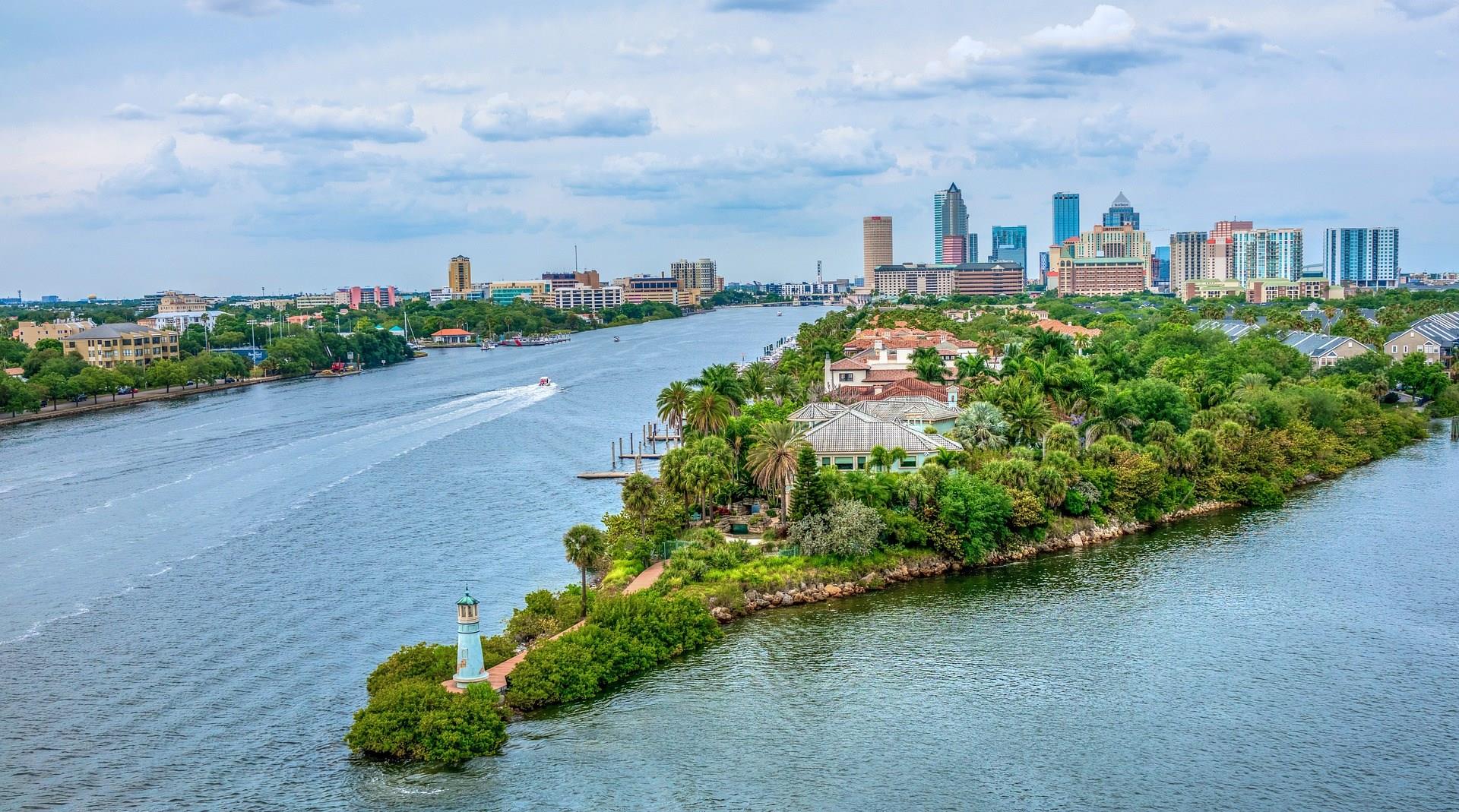
Tampa
Tampa, Florida, offers more than just sunshine and palm trees, it’s a city with character, history, and plenty of unexpected experiences. Founded as a military outpost in the 19th century, Tampa has grown into a vibrant waterfront city with strong Cuban, Spanish, and Italian influences. This cultural blend is especially noticeable in Ybor City, a historic district known for its red-brick buildings and deep cigar-making roots.
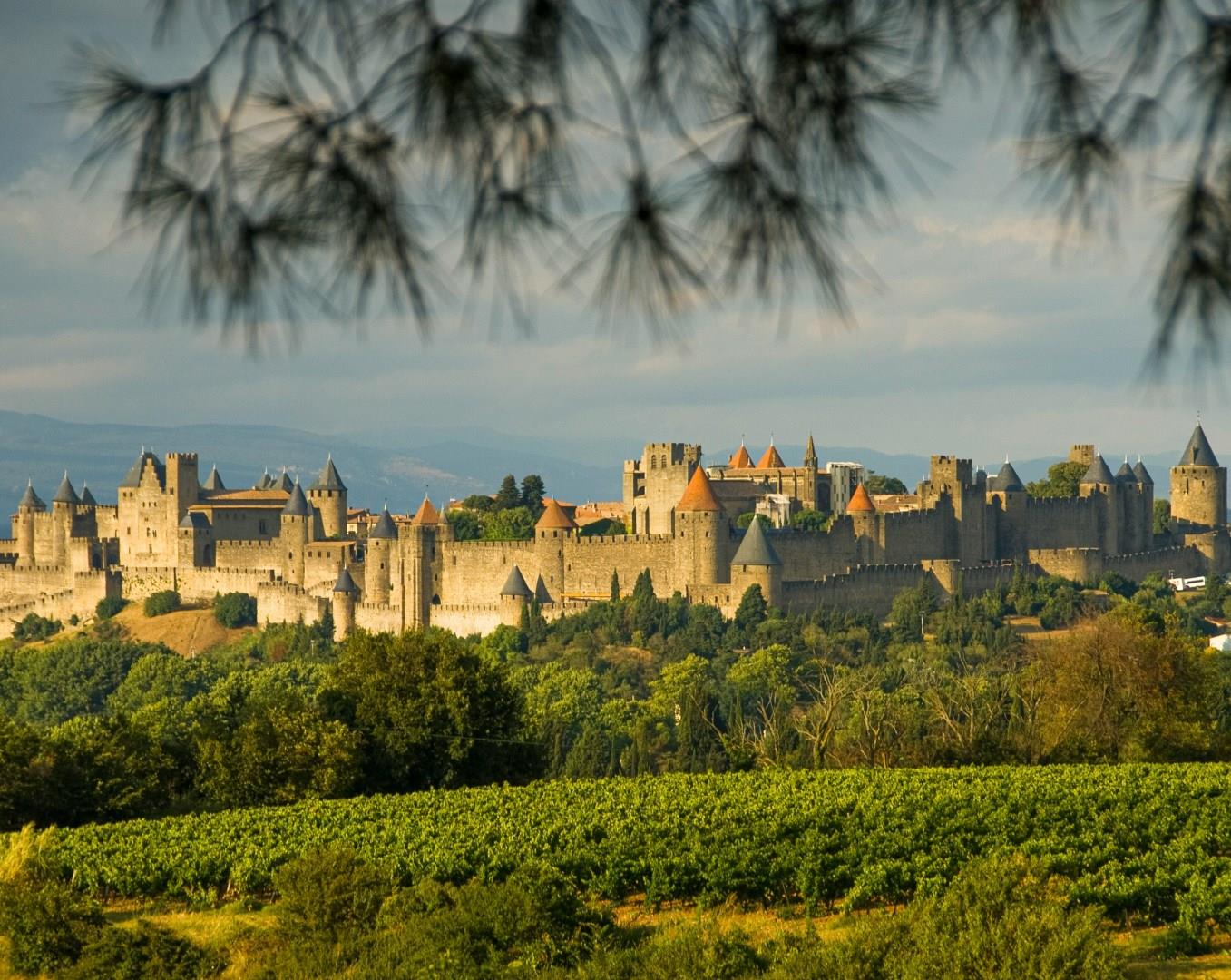
Carcassonne
Carcassonne is a fortified city in southern France, rising above the Aude River with walls and towers that feel lifted from another century. Its origins stretch back to Roman times, but the city is best known for its medieval citadel, rebuilt and expanded during the Middle Ages when Carcassonne became a strategic stronghold on key trade and military routes.
