
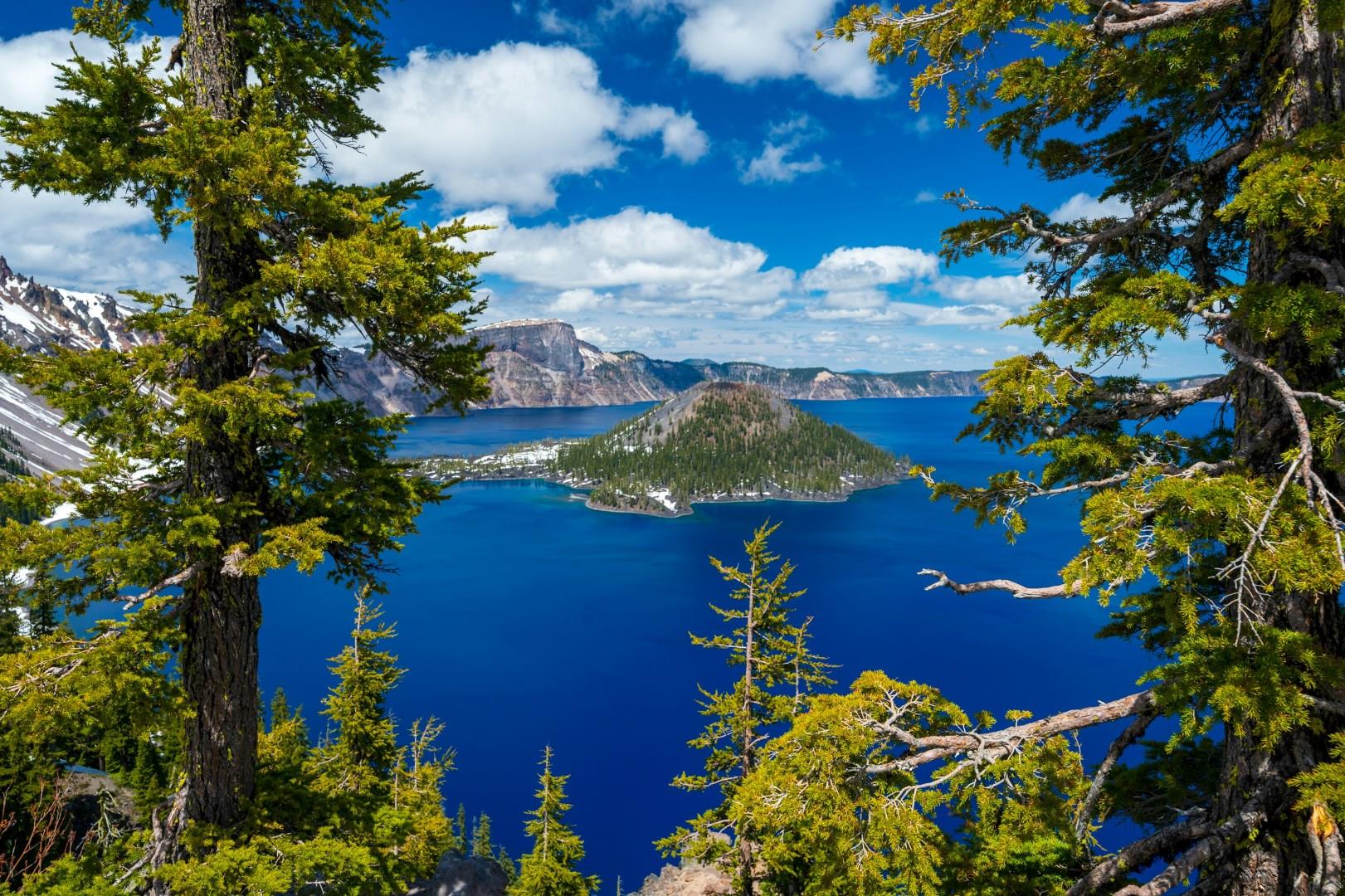
Crater Lake National Park
Crater Lake National Park, Oregon, offers a breathtaking display of natural beauty centered around the deepest lake in the United States. Formed by the collapse of a volcanic caldera, Crater Lake is renowned for its stunningly clear blue waters, which are the result of rain and snowfall filling the caldera. The lake's unique color and clarity are due to its depth and the purity of its water, making it a visual marvel that attracts visitors year-round.

Funchal
Nestled on the sun-drenched southern coast of Madeira, Funchal, the island's capital, offers an enchanting mix of old-world charm, vibrant culture, and natural beauty. This picturesque city, set against a backdrop of rugged mountains and the deep blue Atlantic Ocean, is known for its lush botanical gardens, stunning vistas, and year-round mild climate.
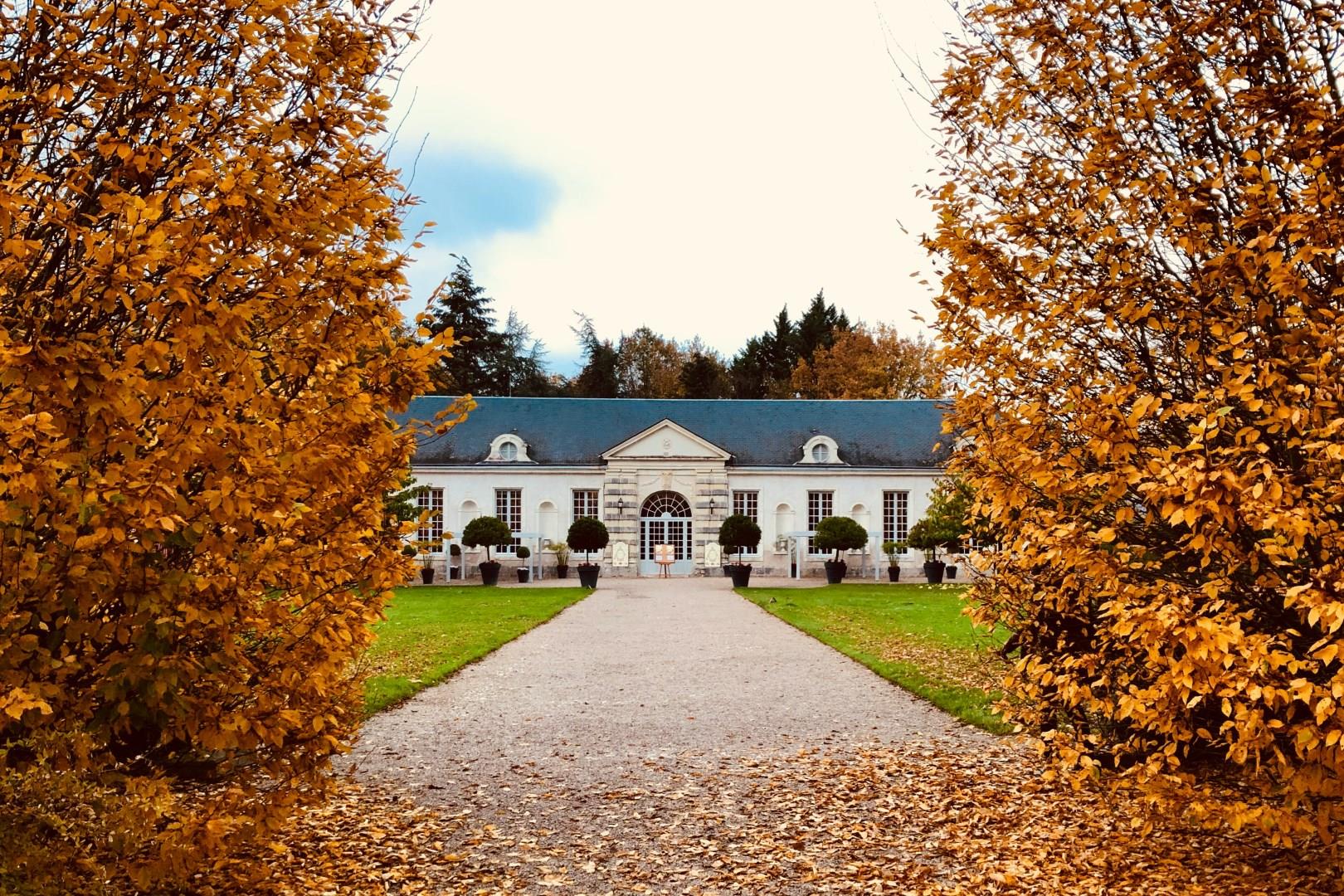
Loire Valley
The Loire Valley stretches along the gentle curves of France’s longest river, a place where riverside towns, historic estates and vineyards have shaped daily life for centuries. This long stretch of landscape was recognized as a UNESCO World Heritage Site because of its remarkable cultural landscape, which includes towns like Tours, Blois, Amboise and Saumur and a tapestry of castles standing beside the river banks.

Gobi Desert
The Gobi Desert, spanning across northern China and southern Mongolia, is one of the world’s most iconic and mysterious landscapes. Known for its vast stretches of arid plains, towering sand dunes, and rugged mountains, the Gobi offers a stark, breathtaking beauty that has captivated explorers and travelers for centuries.

Honduras
Honduras, located in the heart of Central America, is a destination that offers both hidden treasures and well-known wonders. The country’s history is deeply tied to the ancient Maya civilization, with the ruins of Copán, a UNESCO World Heritage Site, standing as one of the most impressive archaeological sites in the region.
