

Suez
Suez, Egypt, is a city of historical significance and strategic importance, making it an intriguing destination for travelers. Located at the southern end of the Suez Canal, this city has been a key player in global trade and naval history for over a century. Suez is not only a gateway to the world-renowned canal but also a place rich in history and culture.

Golubac
Golubac is a gateway to the Iron Gates Gorge, a stretch of the Danube River that separates the Carpathian and Balkan mountains.

Hlane Royal National Park
Hlane Royal National Park lies in northeastern Eswatini, a reserve shaped by both wildlife and cultural heritage.

Taiwan
Taiwan is an island nation that blends rich cultural traditions with modern innovation. Taipei, the capital, features landmarks such as Taipei 101, traditional temples, and night markets that offer a window into local life and culinary culture. Historic towns like Tainan preserve centuries-old temples and street art, reflecting Taiwan’s layered heritage.
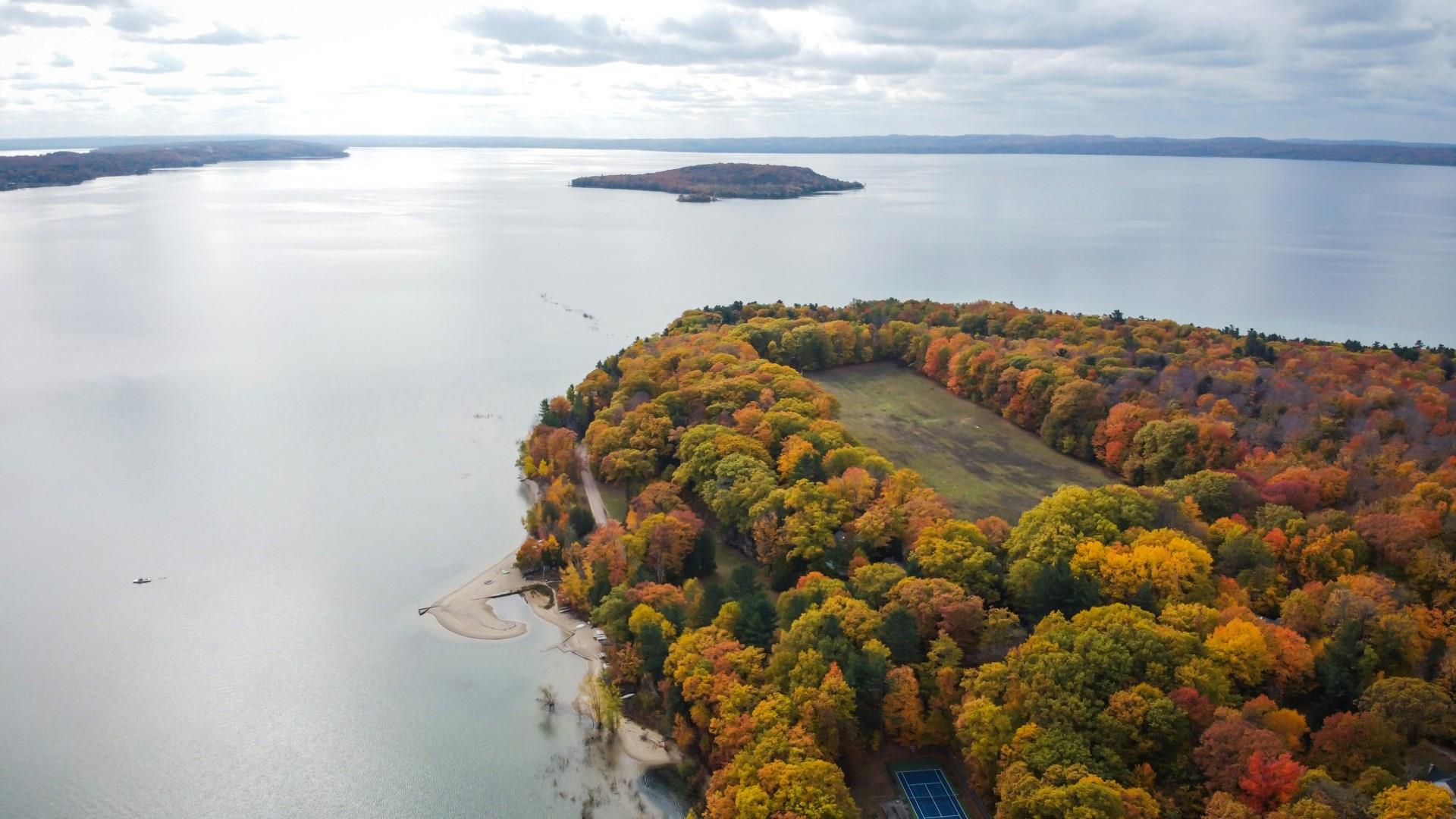
Traverse City
Traverse City offers a delightful blend of natural beauty and vibrant culture. Nestled on the shores of Lake Michigan's Grand Traverse Bay, this charming city is renowned for its stunning waterfront views and picturesque landscapes. The region's pristine beaches, such as Clinch Park, provide an ideal setting for relaxing under the sun or engaging in water sports.
