

Vientiane
Vientiane, the capital of Laos, lies along the banks of the Mekong River and blends a relaxed urban pace with rich cultural heritage. The city’s streets are lined with French colonial buildings, Buddhist temples, and local markets, reflecting its history as both a trading hub and a spiritual center.

Gulf Of Oman
The Gulf of Oman is a region of diverse landscapes and rich history. Stretching between the coasts of Oman, the United Arab Emirates, and Iran, this gulf is lined with stunning shorelines, port cities, and hidden natural gems.

American Samoa
American Samoa consists of a group of seven islands in the southern Pacific Ocean, comprising Tutuila; the Manua group, consisting of Tau, Olosega, and Ofu; Aunuu; Rose Island; and Swains Island.
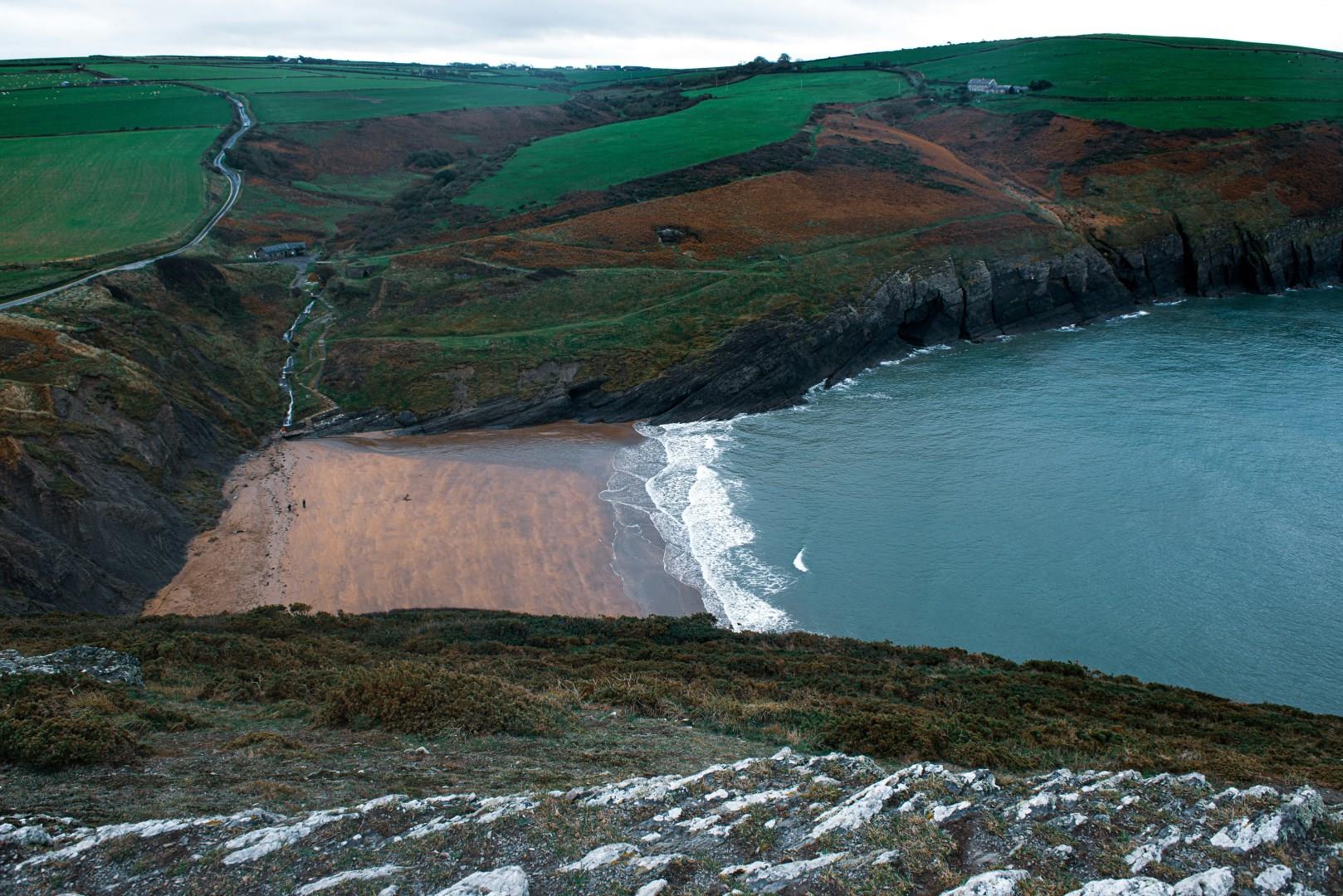
Cardigan
Cardigan sits on the west coast of Wales, where the River Teifi reaches the wide sweep of Cardigan Bay. At the heart of town stands Cardigan Castle, where battlements and gardens overlook the Teifi. The castle’s history includes the first recorded National Eisteddfod in Wales, a cultural competition of music, poetry and performance that still inspires events across the country.

Angkor Wat
Angkor Wat, located near Siem Reap in Cambodia, is a mesmerizing testament to the grandeur of the Khmer Empire and one of the world's most remarkable archaeological sites. Built in the early 12th century by King Suryavarman II, Angkor Wat was originally dedicated to the Hindu god Vishnu but later became a Buddhist temple.
