

Sarajevo
Sarajevo, the capital of Bosnia and Herzegovina, is a city where history, culture, and resilience converge. Often called the "Jerusalem of Europe," Sarajevo is a place where East meets West, reflected in its diverse architecture, which seamlessly blends Ottoman, Austro-Hungarian, and modern influences.

Cappadocia
The ancient region of Cappadocia lies in Central Anatolia, between the cities of Nevsehir, Kayseri and Nigde. Here, the traveler finds one of the most fantastic landscapes in the world. Wind and weather have eroded the soft volcanic rock with hundreds of strangely shaped pillars, cones and "fairy chimneys", often very tall, and in every shade from pink through yellow to russet browns.
Nosara
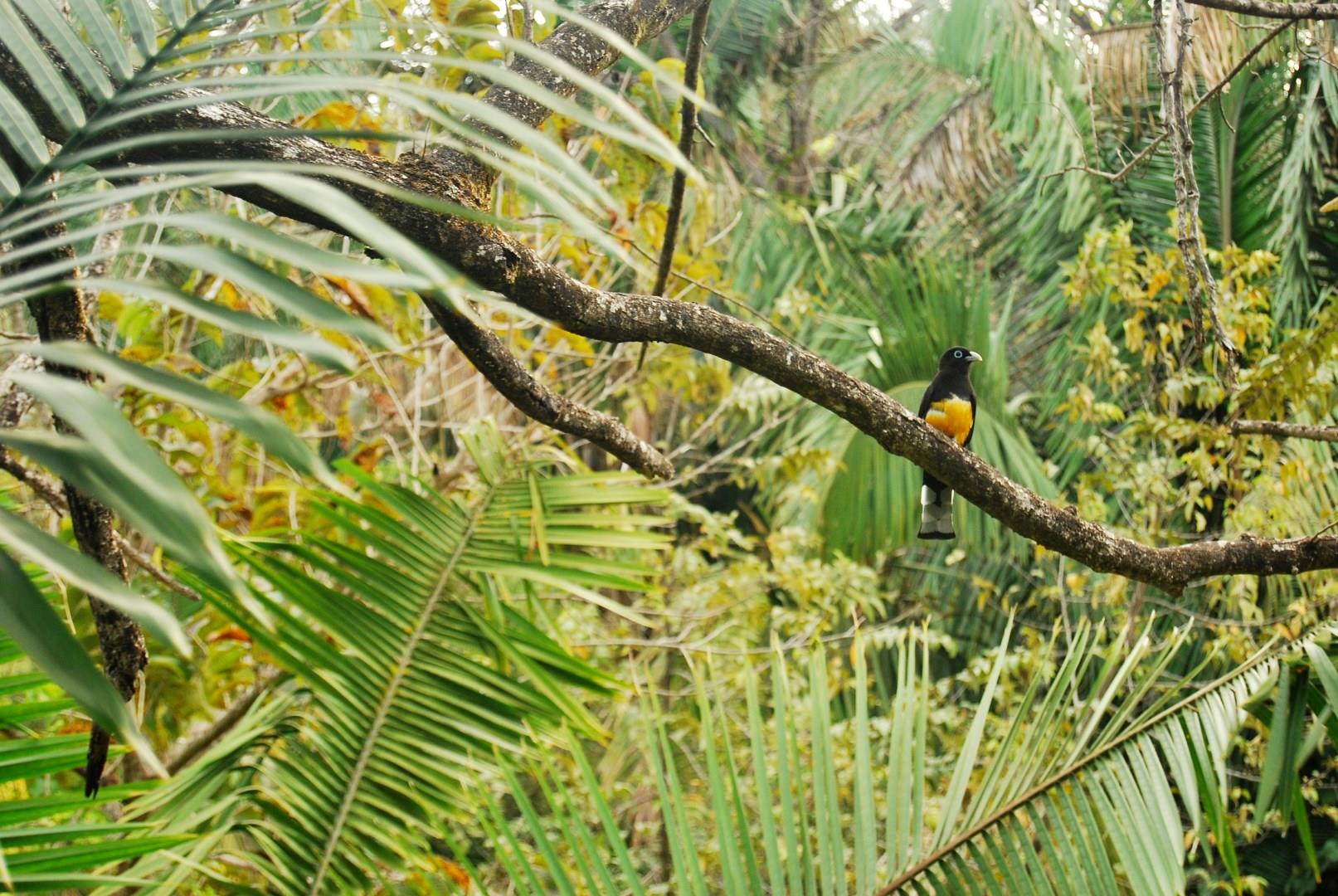
Nosara, on Costa Rica’s Nicoya Peninsula, is a laid-back coastal town known for its strong connection to wellness, nature, and surf culture. Unlike some of the country’s busier resorts, Nosara has kept development low-key, with no large beachfront hotels and a community that values sustainability.

Rio de Janeiro
Exhilarating Rio de Janeiro, the vibrant South American destination and cultural capital, abounds with iconic landmarks, beaches, and attractions.
Algiers
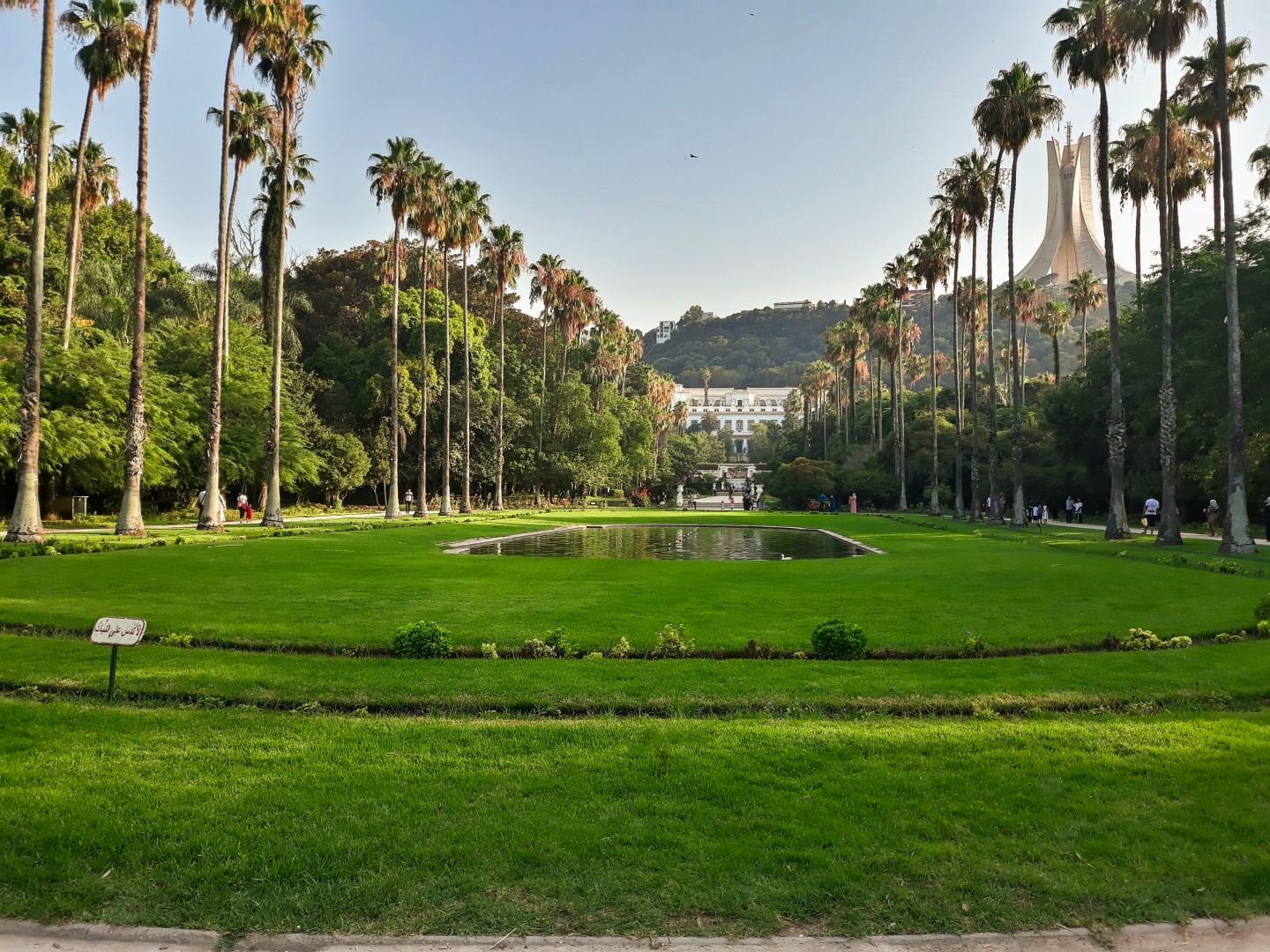
Algiers, Algeria’s capital, is a city where centuries of history unfold along the shores of the Mediterranean. Known as “El Bahdja,” or “The Joyful,” Algiers blends striking buildings, seaside breezes, and layered stories. One of its most iconic landmarks is the Casbah, a UNESCO World Heritage site with maze-like alleyways, Ottoman-era palaces, and hidden terraces overlooking the bay. The Grand Post Office, with its striking facade and intricate neo-Moorish details, anchors the city’s downtown.
