
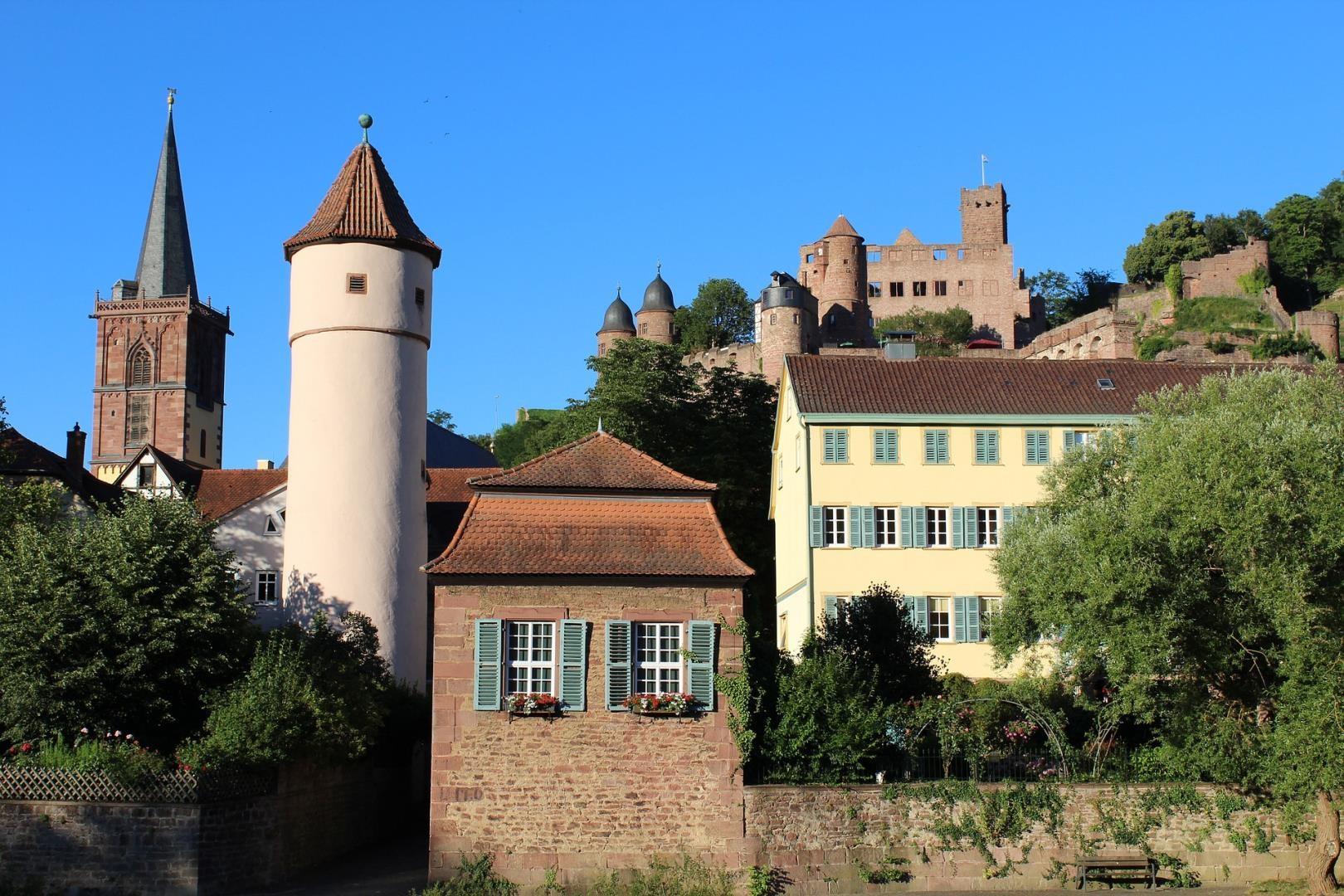
Wertheim am Main
Wertheim is an enchanting town on the banks of the Main River in Germany. A favorite stop on European river cruises, highlights of this charming destination include the Wertheim Castle and the town center, where you can wind your way down cobblestone streets replete with 16th century architecture. Venture outside of town and follow the Tauber River to Kloster Bronnbach, an immense and ornate monastery dating back to the 12th century.
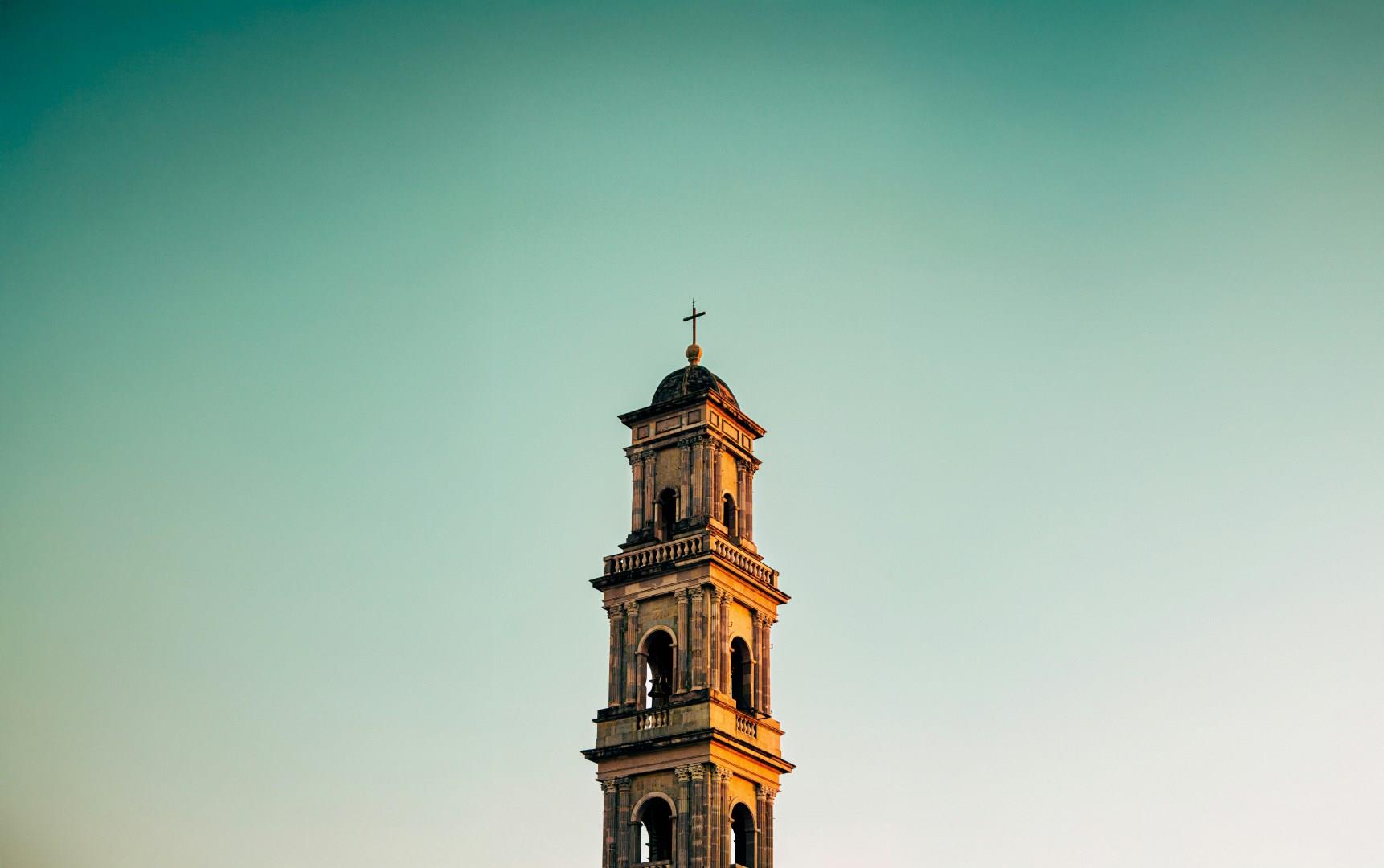
Tampico
Tampico, located on the Gulf Coast of Tamaulipas, is a port city with a layered history shaped by trade, oil, and immigration. Its downtown district is known for neoclassical buildings, many of which were constructed with imported bricks and ironwork from Europe during the oil boom of the early 20th century. One of Tampico’s most photographed structures is the Mercado Municipal, rebuilt in recent years but still functioning as a central hub for daily life.

Manaus
Manaus, capital of Brazil’s Amazonas state, is a city that rises unexpectedly from the rainforest. Once the center of the global rubber boom in the late 1800s, Manaus still holds onto that legacy with surprising elegance. The Teatro Amazonas, an opulent opera house imported piece by piece from Europe, sits at the heart of the city, its pink façade and domed roof tiled in the colors of the Brazilian flag. Today, it hosts concerts, festivals, and curious visitors eager to step back in time.

Costa Maya
This small cruise port is located in Mexico's Yucatan peninsula south of Playa del Carmen, near Belize. It is famous for Chacchoben, a breathtaking set of Mayan ruins. The port has a new and modern shopping mall and the central plaza has saltwater pools and 'swim-up' style bars for tourists to enjoy.
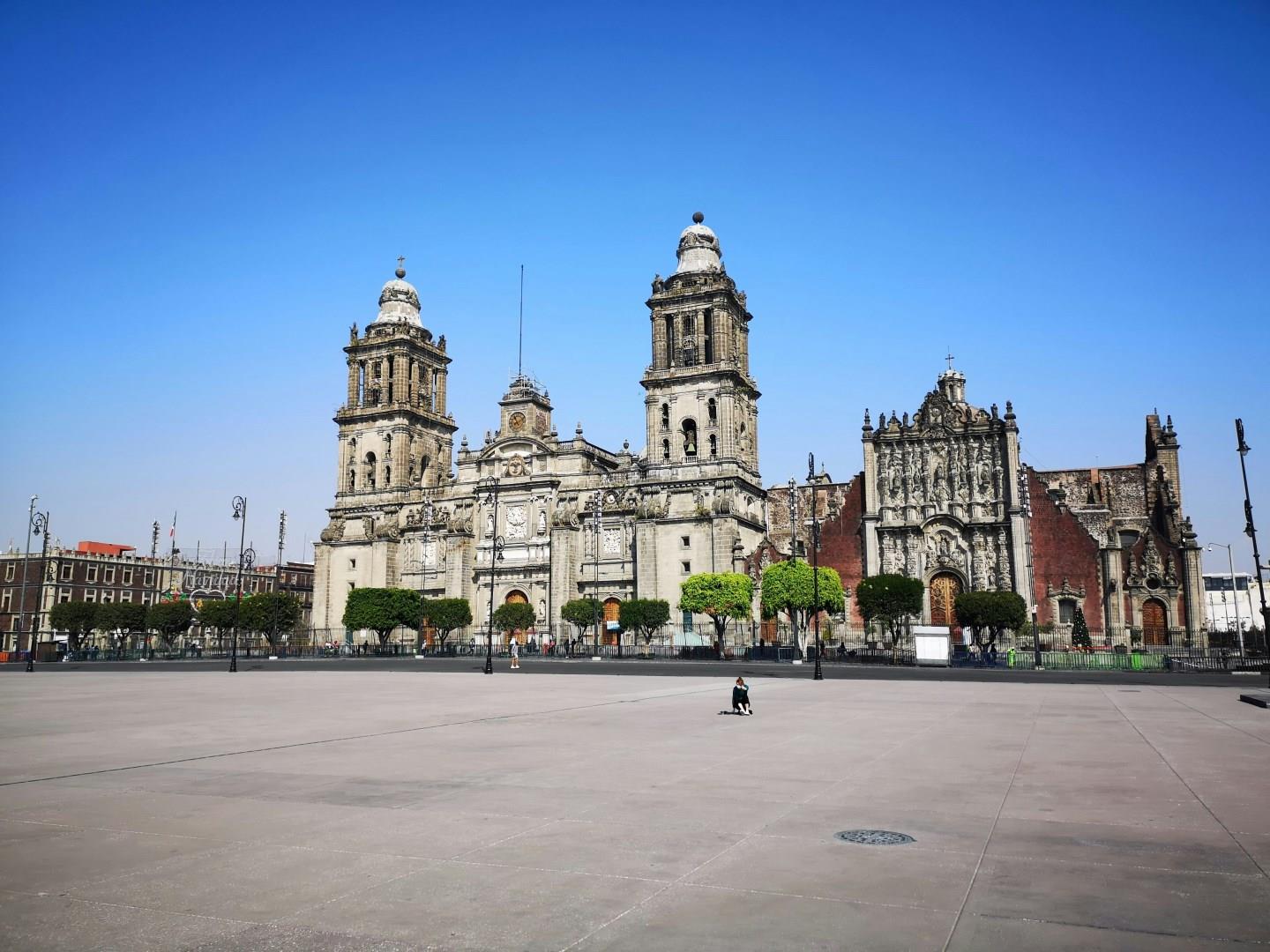
Mexico City
Mexico City sits on the high plateau of central Mexico, layered with more than seven centuries of history and culture. Built atop the ruins of the Aztec capital Tenochtitlán, the city reflects a continuous dialogue between Indigenous foundations, Spanish colonial influence, and modern urban life.
