
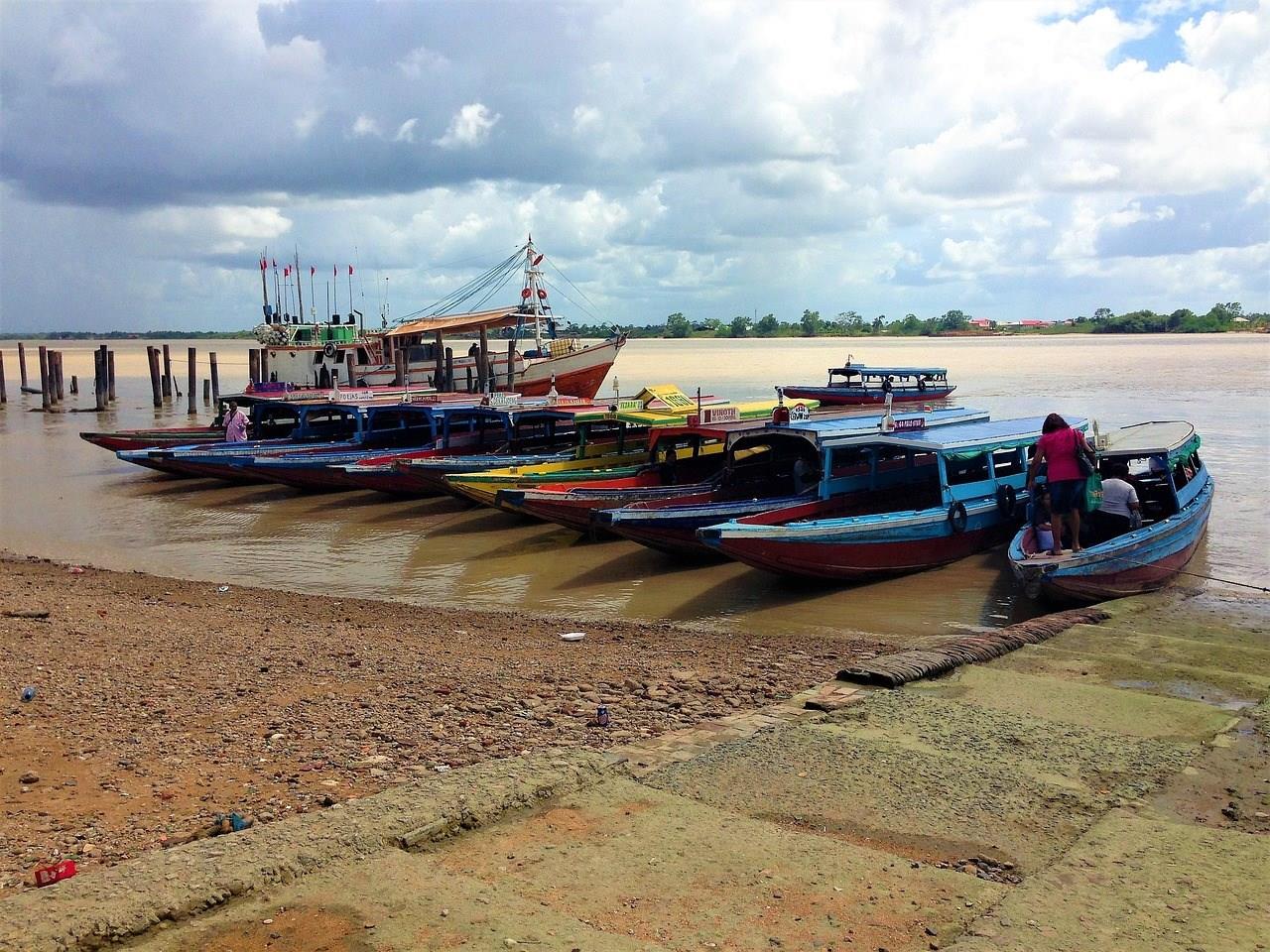
Paramaribo
Paramaribo, Suriname’s capital, unfolds like a living storybook along the Suriname River, where wooden structures from the 17th and 18th centuries still stand today. This historic heart reveals a rare fusion of Dutch design and local craftsmanship. Visitors can stroll the Waterkant, a riverside avenue, and take in landmarks such as Fort Zeelandia, the neoclassical Reformed Church, and the lofty wooden Cathedral of St. Peter and Paul.

Iles des Saintes
Framed by an array of tropical flowers, "miniature" houses painted in a pastel palette will enchant you. But, a splash of watercolors is all you'll see as you zip by on a moped. It won't be long before you find the perfect spot for a beach picnic and afternoon of snorkeling.
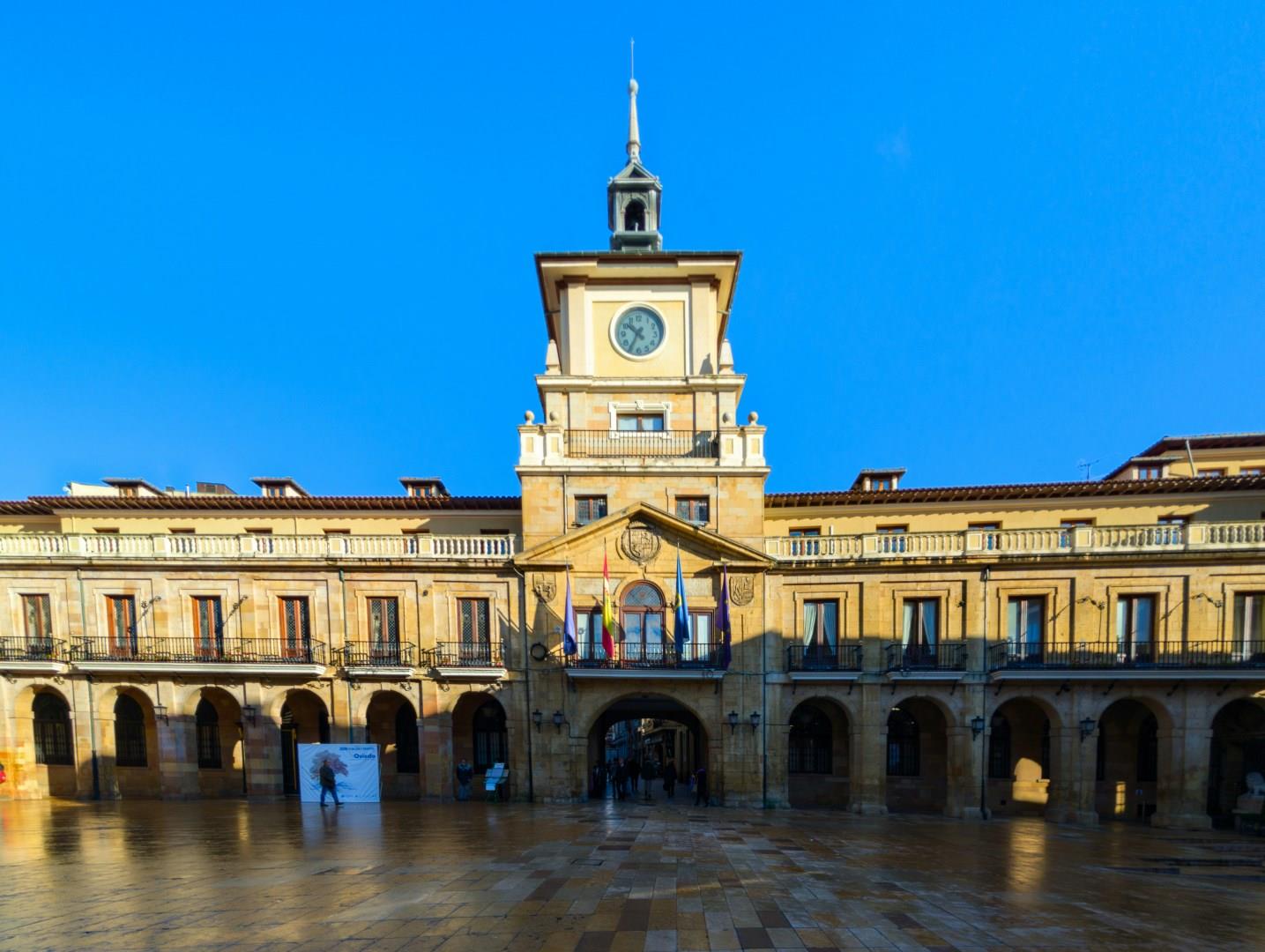
Oviedo
Oviedo, the capital of Asturias in northern Spain, offers a rare mix of medieval heritage and everyday life that feels rooted rather than staged. The city’s historic center is home to some of the oldest pre-Romanesque buildings in Europe, including the UNESCO-listed Santa María del Naranco and San Miguel de Lillo. Cider, not wine, defines the local table. Oviedo is surrounded by apple orchards, and the traditional drink, sidra natural, is poured from a height by skilled escanciadores.

Petra
Tucked between Jordan's sandstone cliffs in the southwestern desert, Petra was carved directly into rose-colored rock more than 2,000 years ago. Visitors approaching through the narrow gorge known as the Siq are rewarded with their first glimpse of Al-Khazneh, the Treasury, a towering facade that seems to appear from another world.

Alicante
Alicante, a captivating coastal city on Spain’s Costa Blanca, enchants visitors with its blend of rich history, Mediterranean charm, and vibrant nightlife. Dominated by the impressive Santa Bárbara Castle perched on Mount Benacantil, the city offers sweeping views of the turquoise Mediterranean Sea and the bustling streets below.
