
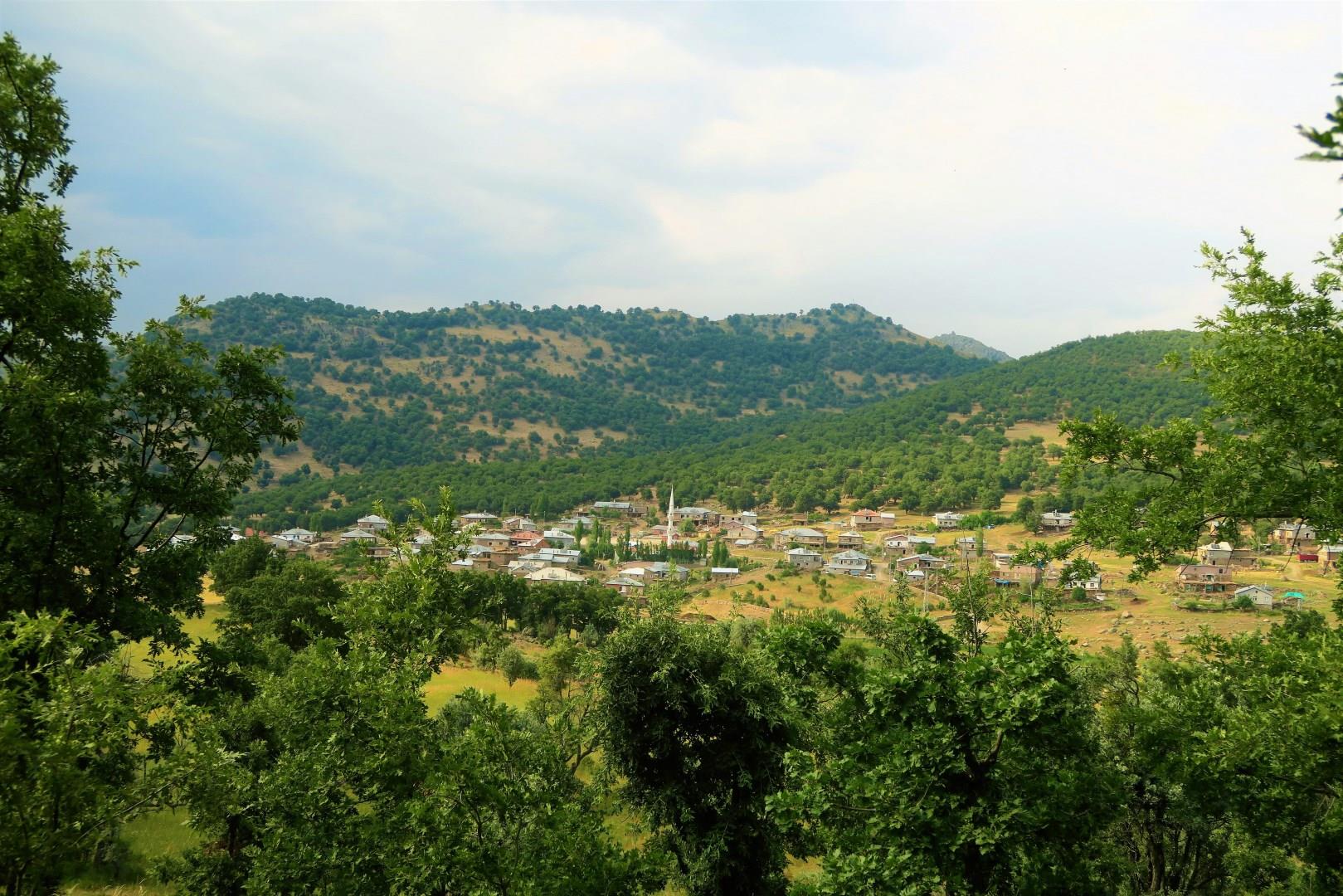
Konya
Konya has served as a spiritual center for centuries. Every December, the Şeb‑i Arûs festival marks the passing of Rumi, the Persian mystic, and draws Sufis and visitors from around the world to witness the Sema. Whirling dervish dance is performed to the sound of ney flutes and drums. In one of the country's most hushed and vivid traditions, performers spin in unison in flowing white skirts, a scene that blends meditation with graceful motion in a way found nowhere else.

Caribbean
The Caribbean is a region of vibrant cultures, sunlit shores, and a rich blend of traditions shaped by centuries of history. Scattered across turquoise waters, its islands each offer a unique personality, some bustling with colorful markets and lively music, others known for tranquil beaches and unspoiled nature.

Guatemala
Guatemala is a country where ancient history and living tradition meet in unexpected ways. The ruins of Tikal, once a major center of the Maya civilization, rise from the dense Petén jungle. Visitors can climb stone temples that pierce the forest canopy and listen for howler monkeys echoing through the trees. Tikal National Park, a UNESCO World Heritage Site, contains over 3,000 structures and still holds secrets under layers of earth and vegetation.
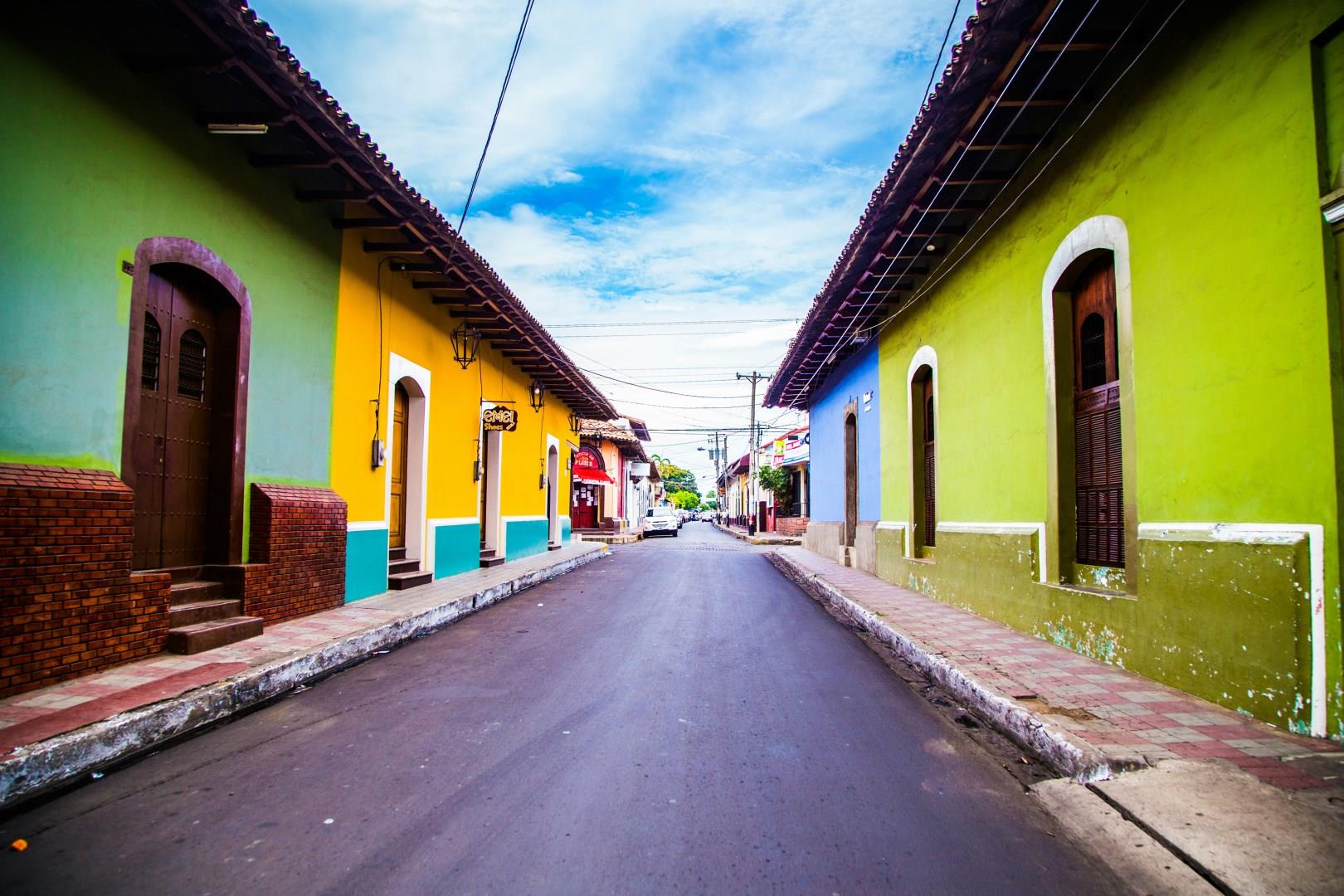
Leon
León, Nicaragua serves as the country’s capital for more than two centuries and still feels like the intellectual and political heart of Nicaragua. The city is known for its revolutionary past, visible in murals that stretch across building walls, telling stories of resistance, poets, and everyday citizens. The Cathedral of León, the largest in Central America and a UNESCO World Heritage Site, dominates the central square.
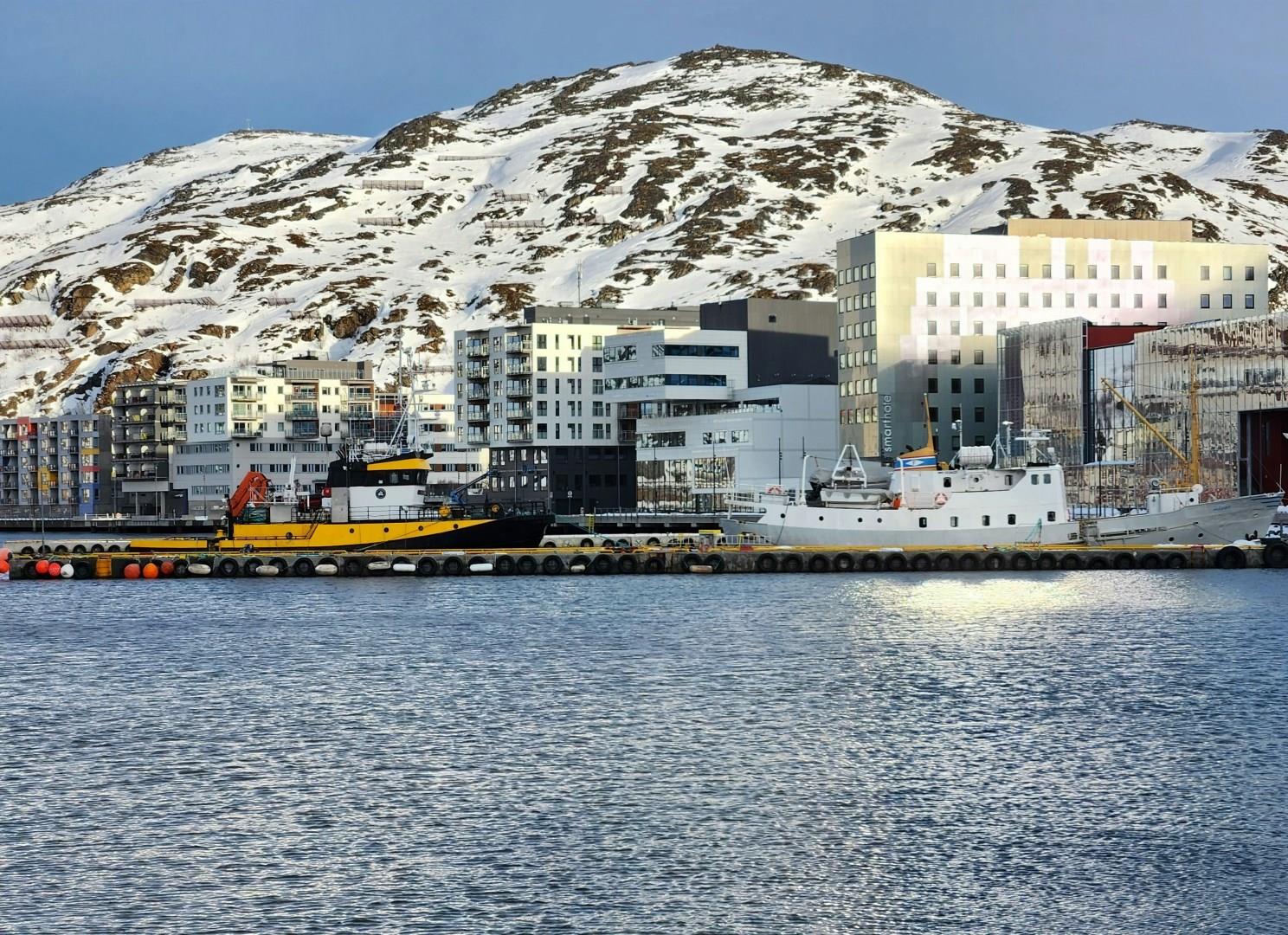
Hammerfest
Hammerfest, located above the Arctic Circle in northern Norway, is one of the northernmost towns in the world with a population of over 10,000. It’s a place where the midnight sun shines from mid-May to late July, and the polar night sets in from late November to mid-January. Historically a hub for Arctic hunting and fishing, Hammerfest was also the first town in Northern Europe to install electric streetlights in 1891.
