

Cook Islands
The Cook Islands, a group of 15 islands scattered across the South Pacific, offer a rare blend of Polynesian tradition and laid-back island charm. Rarotonga, the largest and most visited island, is ringed by a turquoise lagoon and backed by lush mountains. Visitors can circle the entire island in under an hour, stopping along the way for fresh coconut, beachside cafés, or a quick swim in the clear lagoon.
Nosara
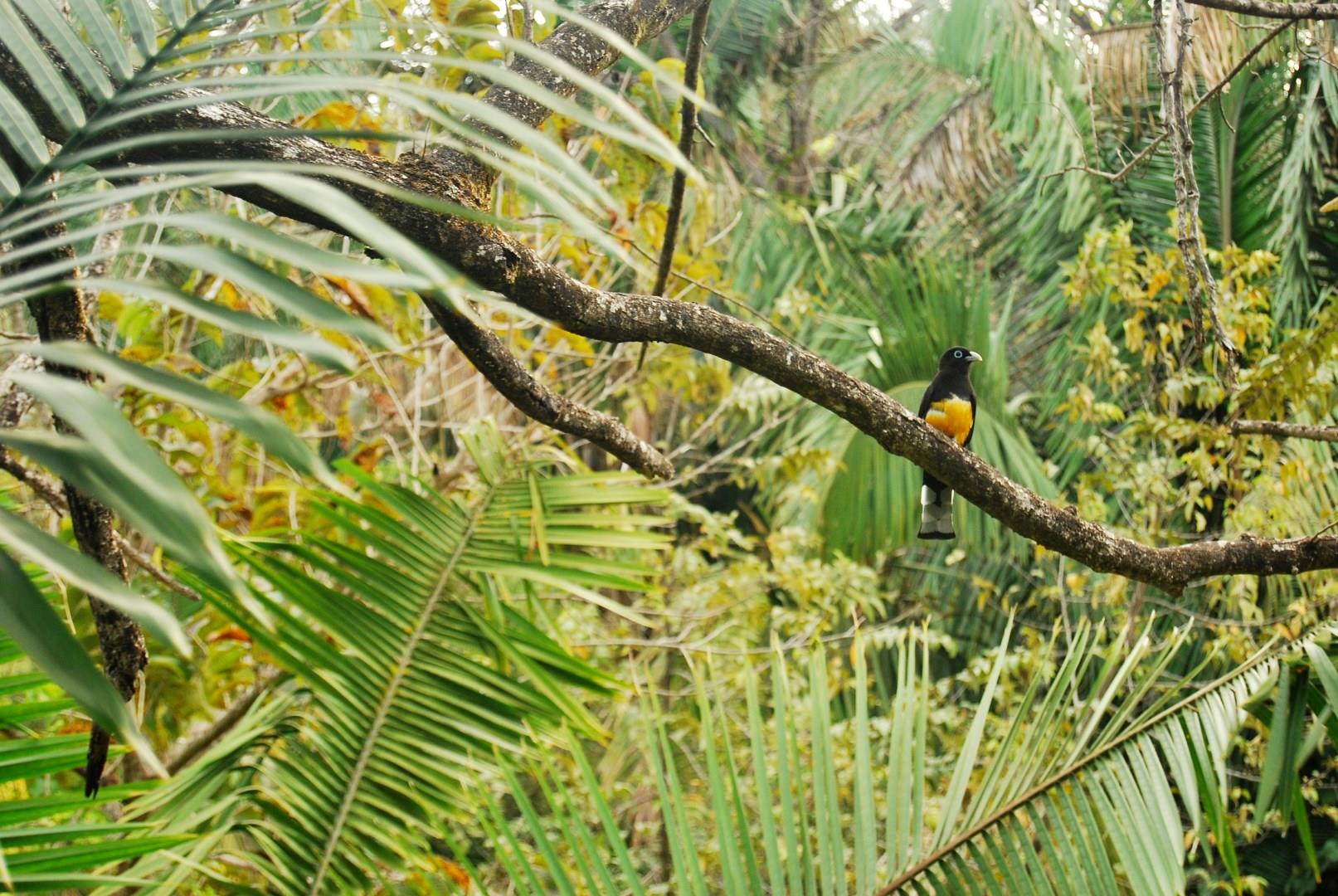
Nosara, on Costa Rica’s Nicoya Peninsula, is a laid-back coastal town known for its strong connection to wellness, nature, and surf culture. Unlike some of the country’s busier resorts, Nosara has kept development low-key, with no large beachfront hotels and a community that values sustainability.

Island Of Mozambique
The Island of Mozambique, a UNESCO World Heritage Site, is a historical gem nestled off the northern coast of Mozambique. This small island, which was once a pivotal trading post, boasts a rich tapestry of history and culture. The island's main attraction is the Fort São Sebastião, an imposing 16th-century fortress built by the Portuguese to protect their trading interests.
Marbella
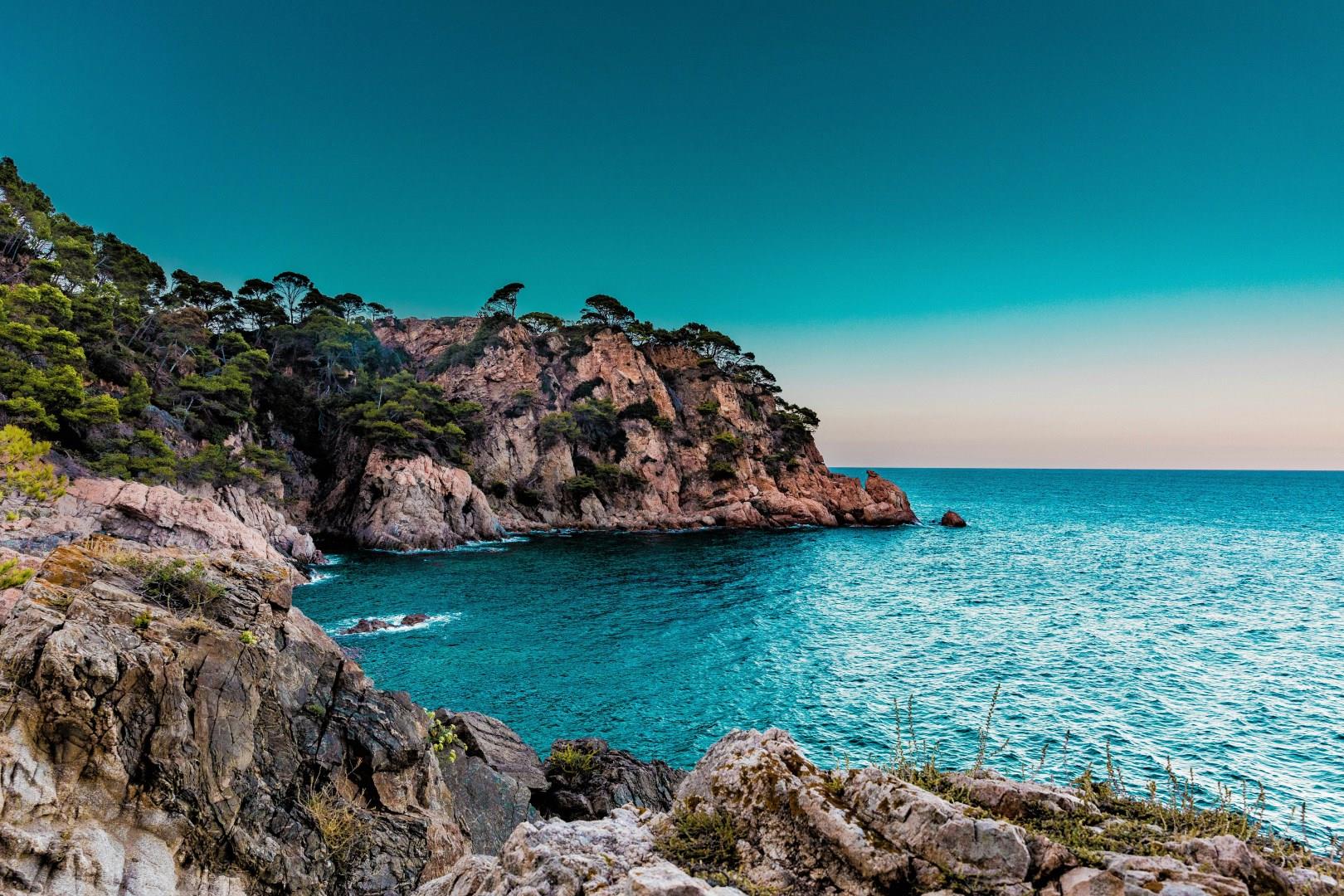
Marbella, located between the Mediterranean Sea and the Sierra Blanca mountains, is often associated with its luxury resorts and famous marina, Puerto Banús. But beyond the polished storefronts and designer yachts, the city has a layered past. Its old town, known as Casco Antiguo, is a well-preserved network of narrow streets built during Moorish rule, with whitewashed buildings, flower-filled balconies, and hidden plazas like Plaza de los Naranjos, which dates back to the 15th century.

Budapest
The capital and largest city in Hungary, Budapest is a favorite European destination for millions of tourists each year. Once the center of the Austro-Hungarian Empire, this cosmopolitan city and UNESCO World Heritage site has plenty of historical and cultural landmarks to explore.
