
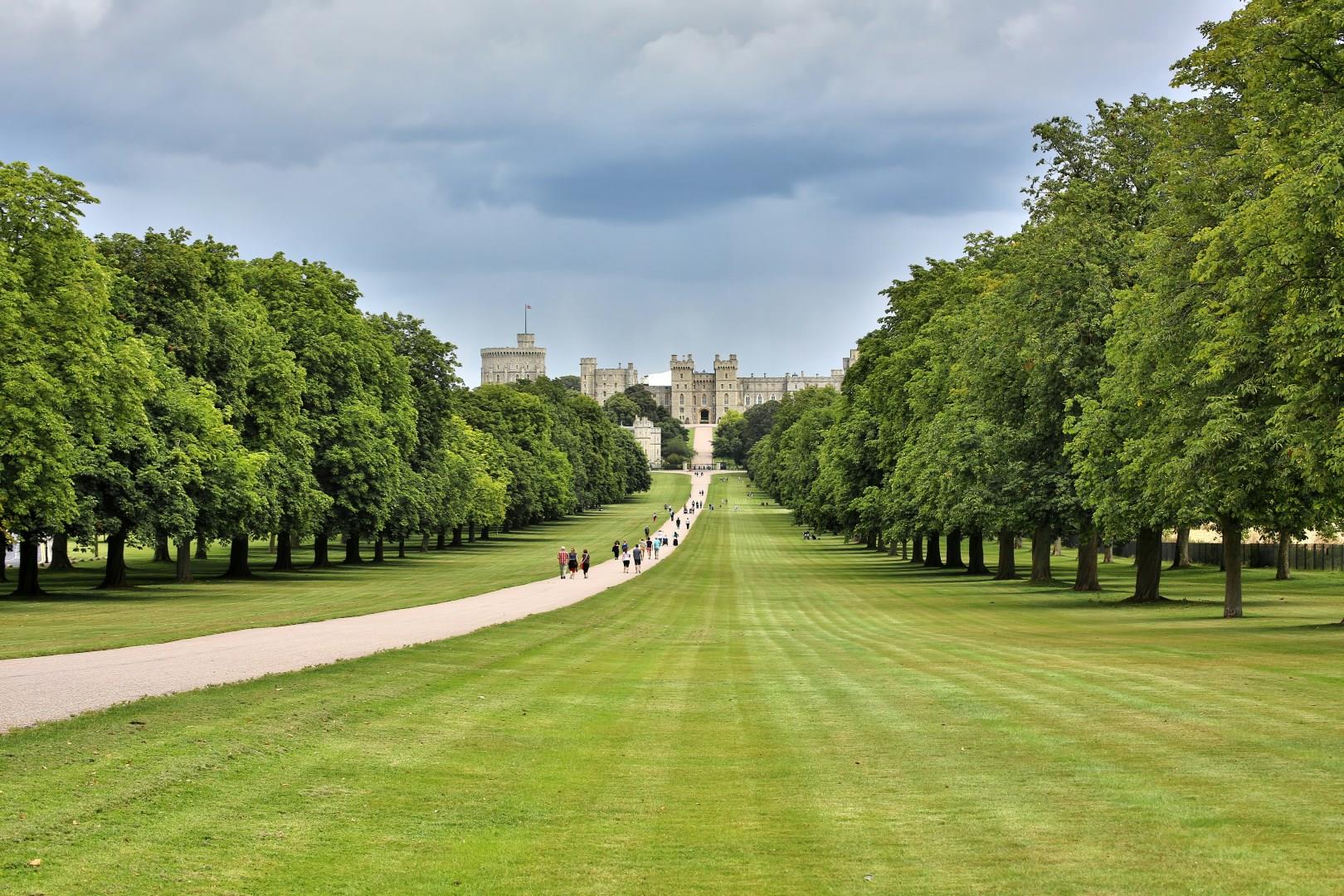
Windsor
Windsor sits along a bend in the River Thames, its identity shaped by nearly a thousand years of royal presence. Windsor Castle, the world’s oldest continuously inhabited royal residence, dominates the town and anchors its historical significance, but the surrounding streets and parks reveal a place that has long supported court life, trade, and everyday routines alongside ceremony.

Grand Turk
Grand Turk, the historic and administrative heart of the Turks and Caicos Islands, offers a blend of heritage and relaxed island charm. The small capital of Cockburn Town is lined with 18th- and 19th-century colonial buildings, pastel-colored cottages, and narrow streets that reflect the island’s ties to the salt trade and British colonial past.
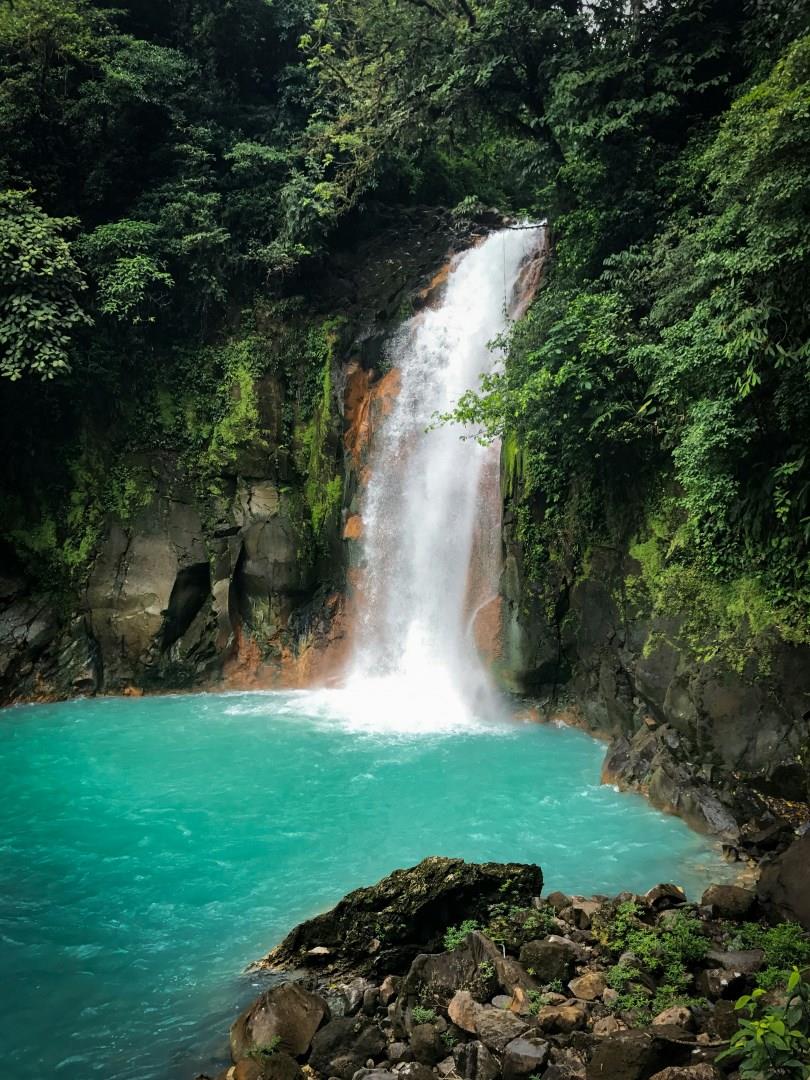
Celeste River
Hidden in the northern region of Costa Rica, the Celeste River (Río Celeste) winds through Tenorio Volcano National Park with a color so vivid it seems unreal. The river’s striking turquoise hue is caused by a natural chemical reaction between two mineral-rich streams, Quebrada Agria and Río Buena Vista, which merge at a point known as "El Teñidero." This one-of-a-kind phenomenon creates the illusion that the water has been dyed blue, even though no pigments are present.

Nashville
Nashville, Tennessee, the dynamic "Music City," is a cultural gem in the American South that radiates energy and charm. Renowned for its rich musical heritage, Nashville is the birthplace of country music and home to iconic landmarks like the Grand Ole Opry and the Ryman Auditorium. The Country Music Hall of Fame and Museum captures this deep-rooted history through a vast collection of memorabilia and interactive exhibits that tell the story of American music.

Tulum
Tulum, a jewel of the Riviera Maya, is a blend of ancient history, vibrant culture, and pristine natural beauty. Perched on a cliff overlooking the turquoise Caribbean Sea, the Tulum Ruins stand as one of the last cities built and inhabited by the Maya civilization. The well-preserved El Castillo, Temple of the Frescoes, and Temple of the Descending God offer insight into the architectural prowess and spiritual life of the ancient Maya.
