

Houston
Houston, Texas, the fourth-largest city in the United States, is a vibrant metropolis brimming with culture, diversity, and innovation. A hub for arts, science, and cuisine, Houston is a place where Southern charm meets cosmopolitan flair. Beyond its cultural and scientific draws, Houston’s culinary scene is a melting pot of flavors. From food trucks to fine dining, the city is celebrated for its diverse offerings that reflect its multicultural population.
Wilmington
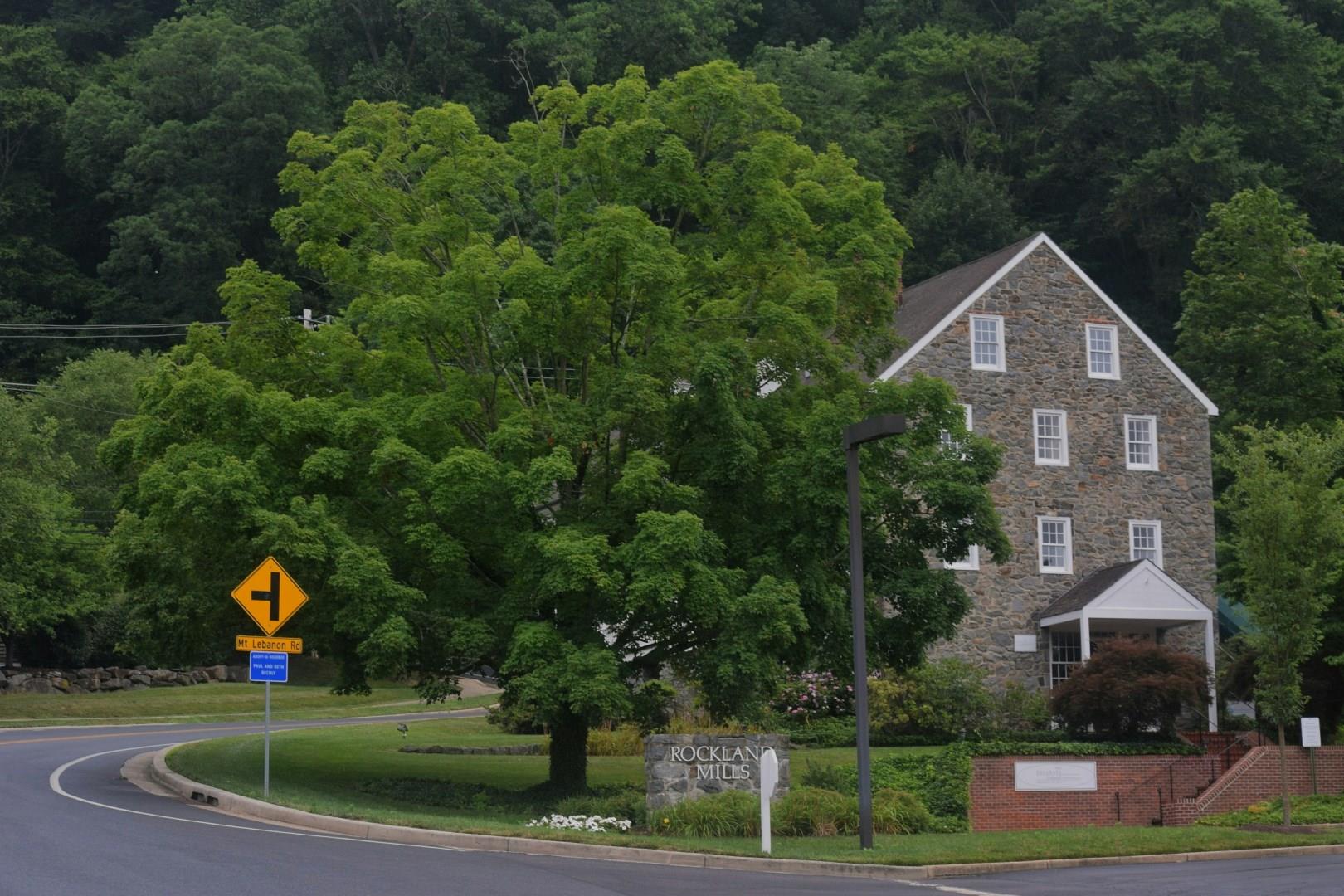
Wilmington, Delaware, offers a dynamic blend of history, culture, and natural beauty, making it a compelling destination for travelers. Situated along the scenic Christina River, Wilmington is home to a variety of attractions that range from historical landmarks to vibrant arts districts. One of the city’s most significant historical sites is the Hagley Museum and Library, which showcases the legacy of the DuPont family and their role in America’s industrial revolution.

Pigeon Forge
Nestled in the heart of the Smoky Mountains, Pigeon Forge, Tennessee, is a charming destination that combines natural beauty with family-friendly attractions. This small town, known for its close proximity to the Great Smoky Mountains National Park, offers visitors an array of outdoor adventures, including hiking, fishing, and wildlife viewing.

Ouarzazate
The whole south of Morocco is summarized in the historical, traditional and exotic sounding word "Ouarzazate". In Ouarzazate everything is calm, beautiful and fresh - the very image of the authentic south of Morocco, where time has stood still for centuries. The town has been located in three different places during its existence, two of them still inhabited
today.
today.
Kaziranga National Park
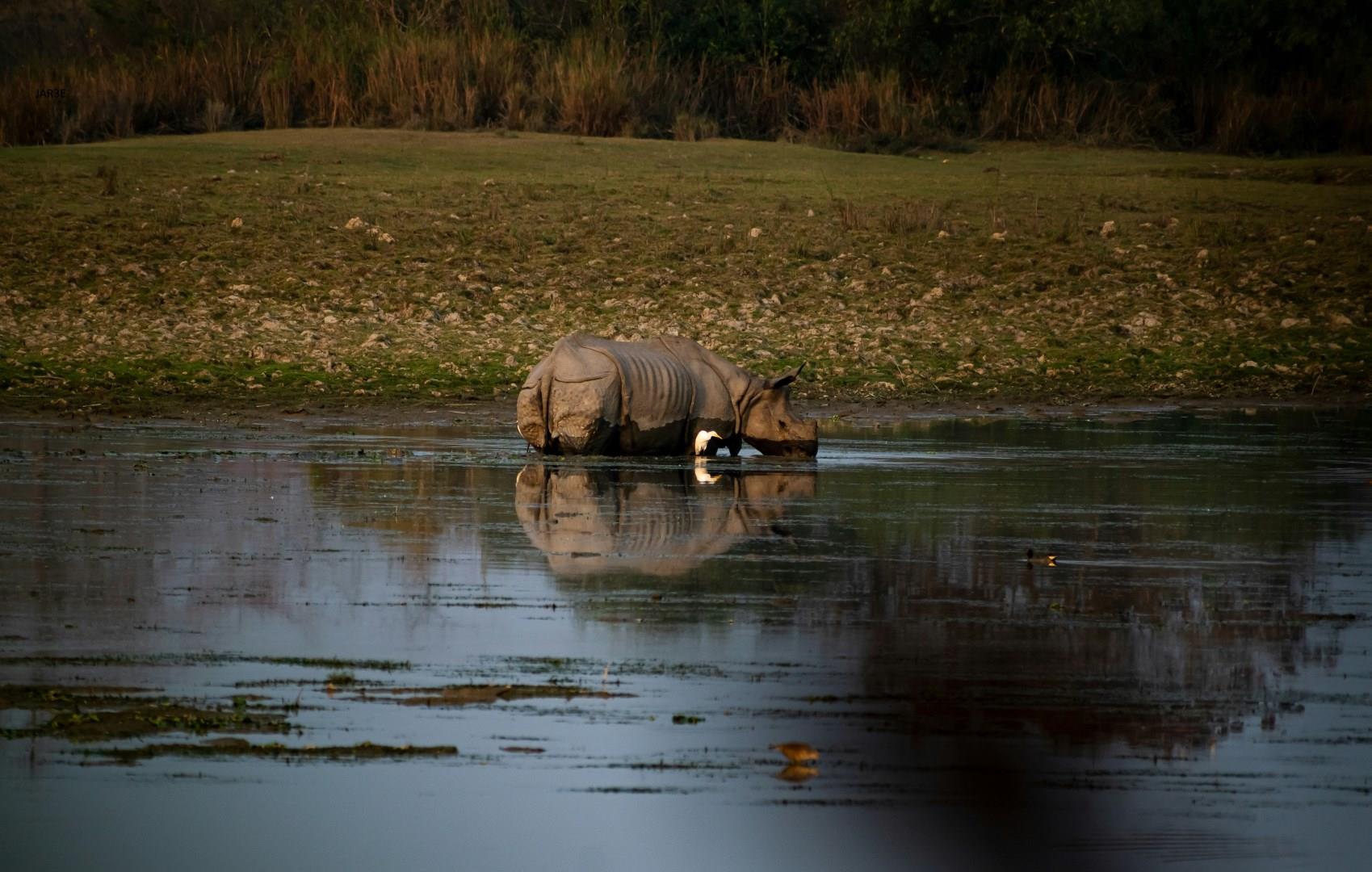
Kaziranga National Park stretches across the floodplains of the Brahmaputra River in Assam, shaped as much by water as by wildlife.
