

Belize
Belize, tucked between Mexico, Guatemala, and the Caribbean Sea, is a country where ancient history and untamed nature meet. Once the heartland of the Maya civilization, Belize is dotted with impressive archaeological sites such as Caracol and Xunantunich, where towering pyramids rise above jungle canopies.

Borgarfjörður
Borgarfjörður, nestled in the heart of West Iceland, offers a captivating blend of natural beauty and cultural heritage. The fjord, surrounded by dramatic mountains and lush green landscapes, provides a picturesque setting for outdoor enthusiasts and nature lovers. One of the highlights of the area is the magnificent Hraunfossar waterfalls, where crystal-clear water cascades over lava fields into the Hvítá River, creating a breathtaking spectacle.

Maasai Mara National Reserve
One of Africa's most popular game reserves, Maasai Mara is located in Narok, Kenya, near the border of Tanzania. Named in honor of the Maasai people, this park is populated with wildlife including elephants, lions, zebras, and leopards.
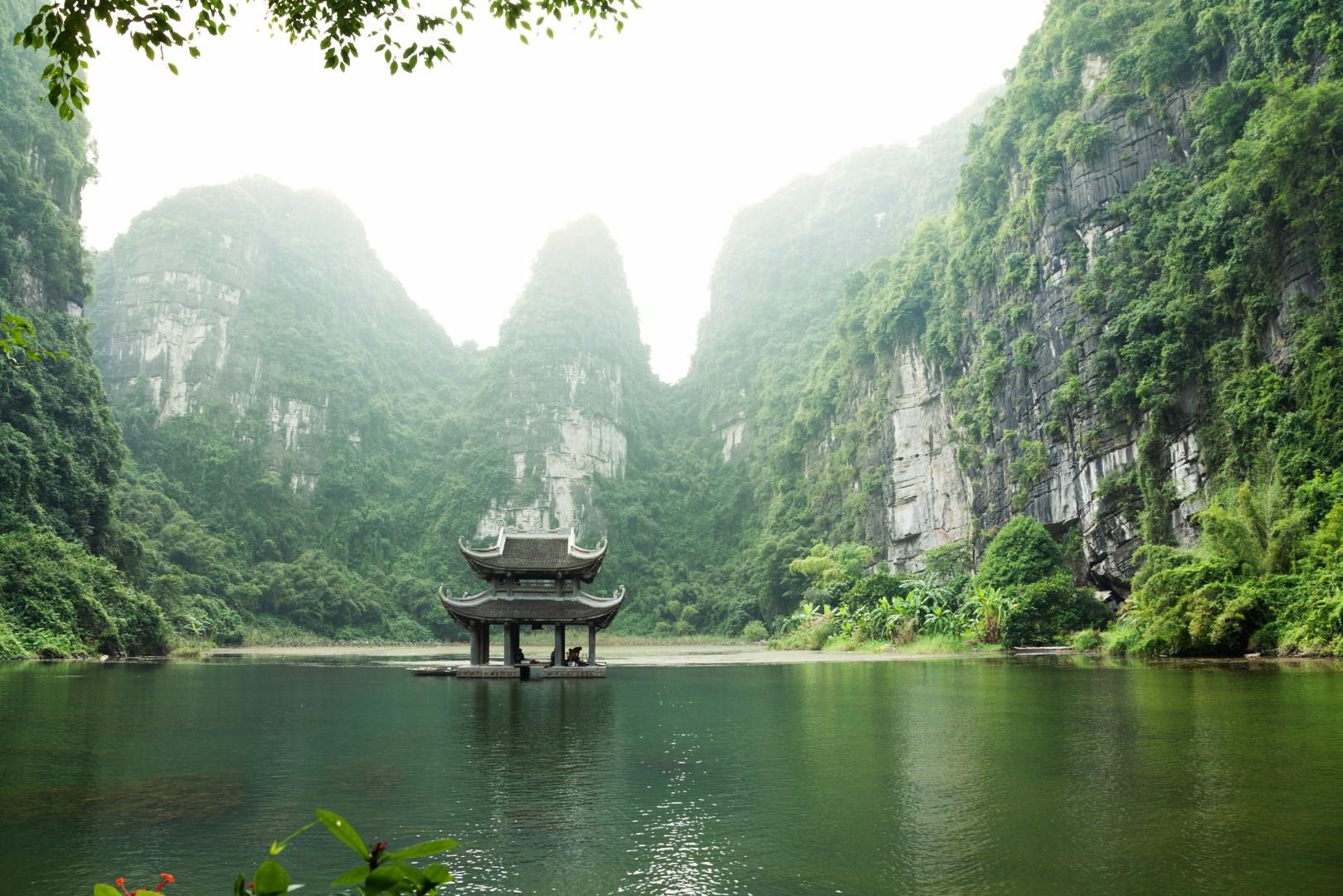
Ninh Binh
Ninh Binh, located about 100 kilometers south of Hanoi, offers a landscape shaped by limestone karsts, winding rivers, and flooded rice paddies. Often referred to as “Ha Long Bay on land,” the area is best explored by rowboat. At Trang An Scenic Landscape Complex, boat routes pass through caves, ancient pagodas, and valleys surrounded by towering cliffs. Local rowers often use their feet to paddle, an unusual technique that surprises many first-time visitors.

Vang Vieng
Vang Vieng, nestled along the banks of the Nam Song River in central Laos, is an adventurer's paradise surrounded by stunning limestone karsts and verdant landscapes. Known for its laid-back atmosphere and natural beauty, this small town has transformed from a backpacker haven into a more sophisticated destination offering a mix of adventure, relaxation, and cultural experiences.
