
Querétaro
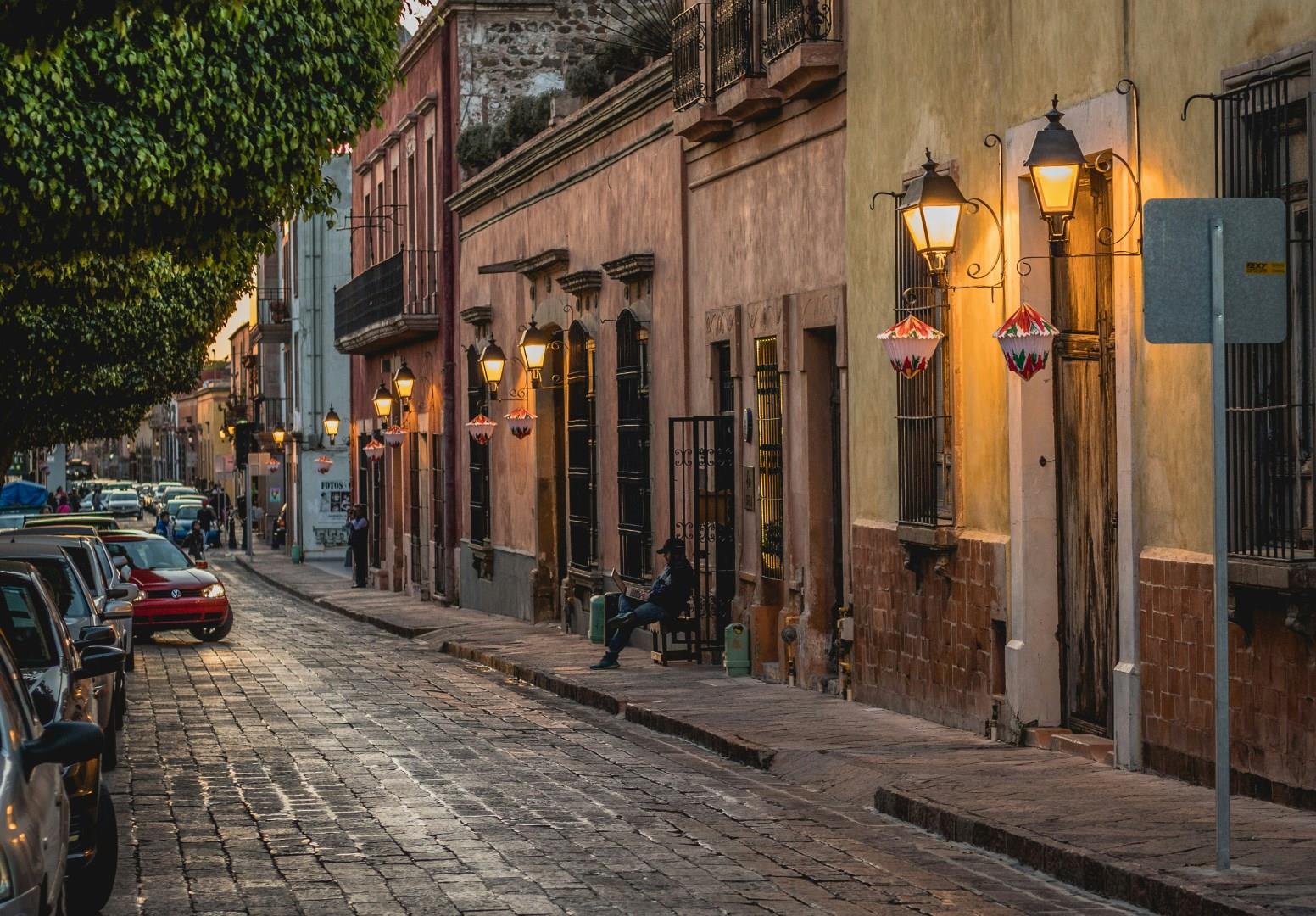
Querétaro, located in the heart of central Mexico, is a city where centuries of history are still visible in daily life. Its historic center, a UNESCO World Heritage Site, features narrow streets, elegant plazas, and baroque churches that reflect its colonial past. One of the city’s most iconic landmarks is the massive aqueduct, built in the 18th century with 74 stone arches stretching nearly a mile across the landscape.

Venezuela
Venezuela is a country of contrasts, offering travelers a mix of rainforests, savannas, and Caribbean beaches. The country is home to unique destinations like Canaima National Park, where the world-famous Angel Falls, the tallest waterfall on Earth, cascades from an incredible height of 979 meters (over 3,200 feet). Visitors can take boat trips through jungle rivers, explore the iconic tabletop mountains, and marvel at the landscapes.
Grand Junction
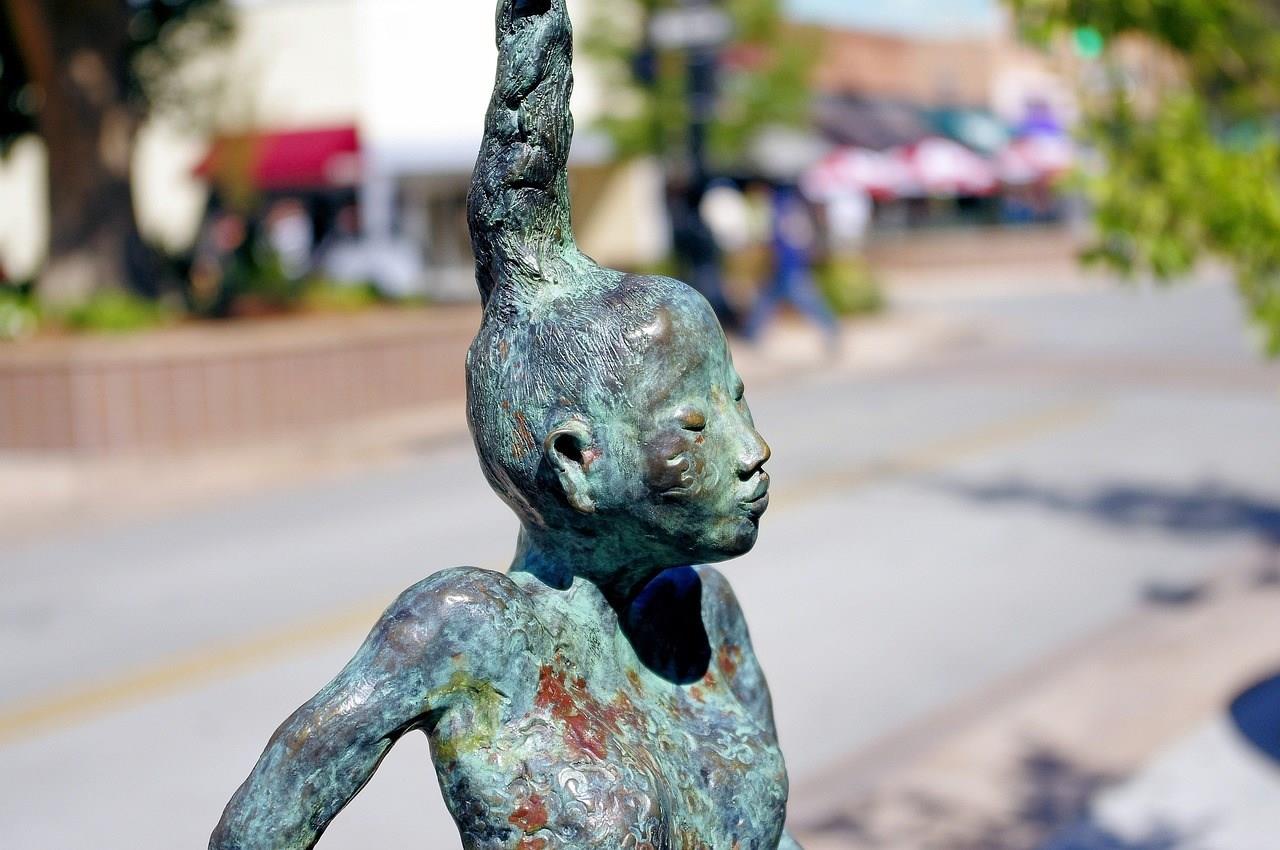
Grand Junction, located on Colorado’s Western Slope, is a destination where desert canyons meet fertile vineyards and rugged plateaus overlook winding rivers. The town sits at the junction of the Colorado and Gunnison Rivers, which historically made it a vital meeting point for Native American tribes, trappers, and settlers. Today, visitors come for its striking landscapes, laid-back pace, and a growing food and wine scene that's putting this region on the map for more than just its scenery.
Bergamo
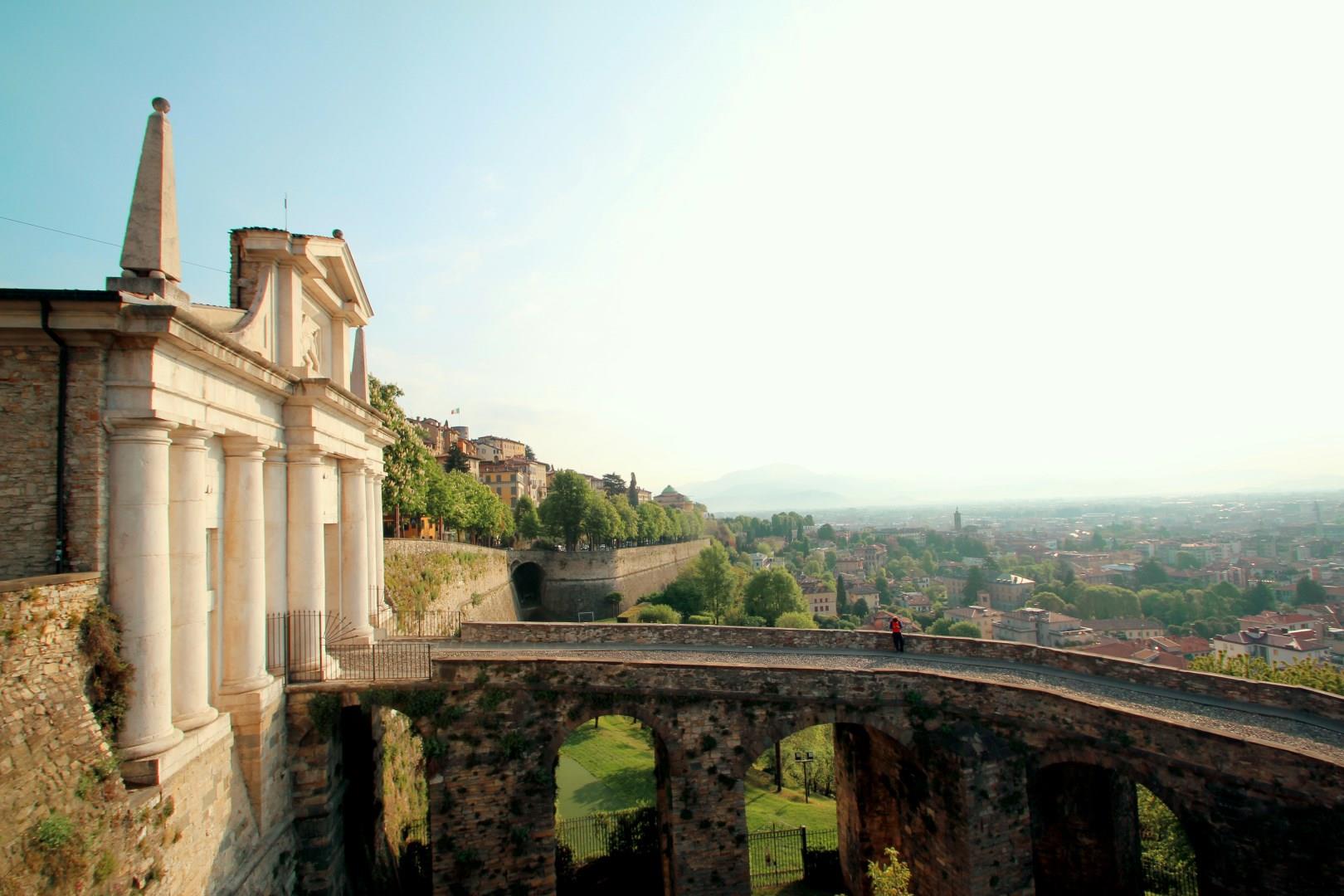
Bergamo, in northern Italy’s Lombardy region, is a city of striking contrasts, divided into the historic upper town and the modern lower town. The upper town, perched on a hill and encircled by Venetian walls, offers cobblestone streets, medieval architecture, and panoramic views over the surrounding plains and the distant Alps.

Norwegian Sea
The Norwegian Sea, situated between Norway and the Arctic Ocean, offers a breathtaking adventure in one of Europe’s most rugged and enchanting regions. This body of water is bordered by Norway's western coastline, the Faroe Islands, and the northern reaches of Iceland, each contributing to its unique allure.
