

Dominica
Dominica, known as the “Nature Island of the Caribbean,” is a haven for eco-tourists and adventure seekers. Nestled between the French islands of Guadeloupe and Martinique, this lush island boasts a remarkable landscape of volcanic mountains, dense rainforests, and stunning waterfalls. Dominica’s most iconic natural wonder is the Boiling Lake, the second-largest hot spring in the world.

France
France offers far more than its capital city. While Paris draws millions each year, the country’s true richness lies in its variety, from Alpine villages to Atlantic coastlines, medieval towns to Mediterranean markets. In Normandy, visitors can walk along the D-Day beaches or explore the towering abbey of Mont-Saint-Michel, which becomes an island at high tide. Further inland, the Loire Valley is dotted with over 300 castles, many of which are open for tours and even overnight stays.
Chios
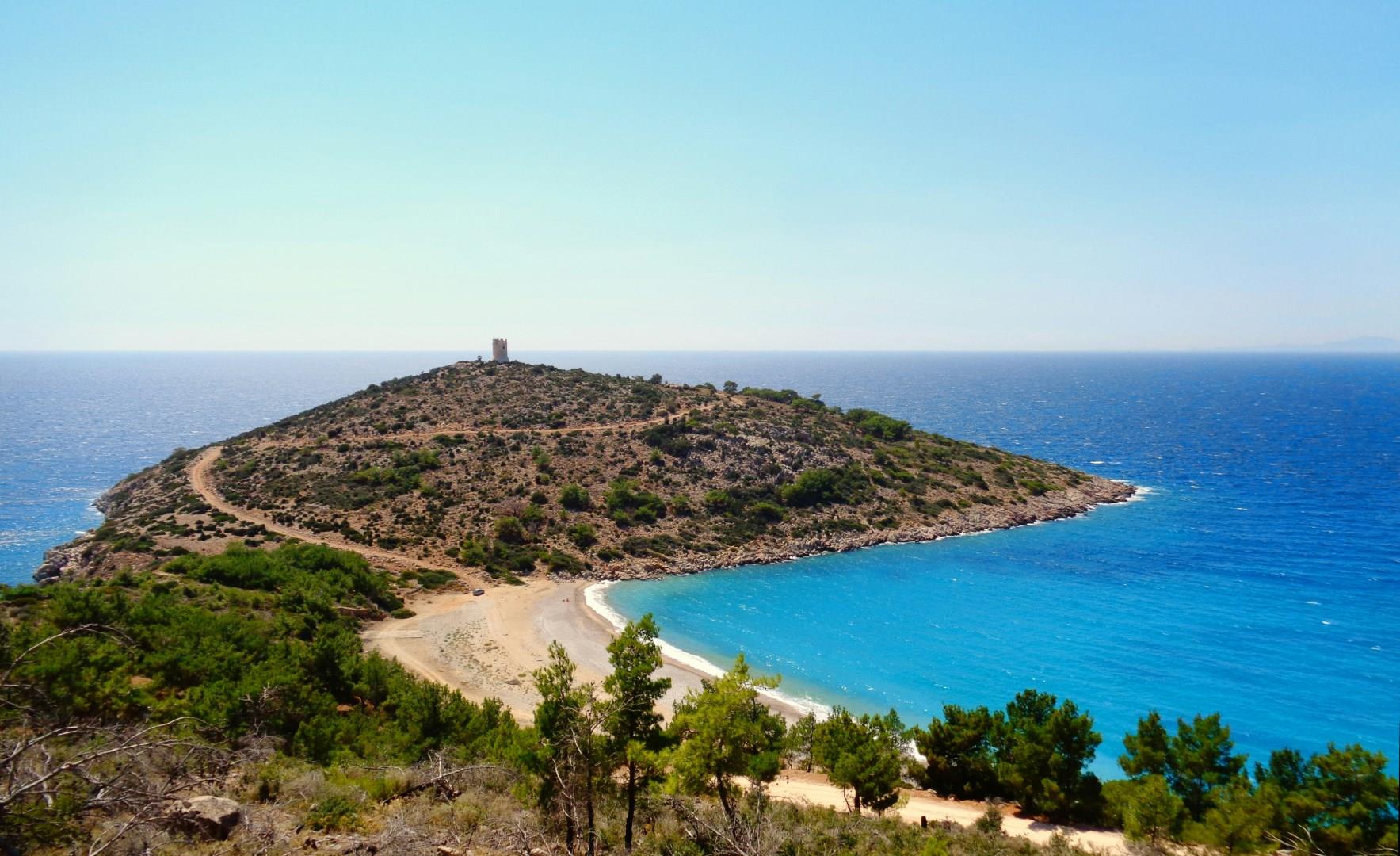
Chios lies in the northeastern Aegean, close enough to the Turkish coast that the mainland feels present in daily life.
Ilulissat
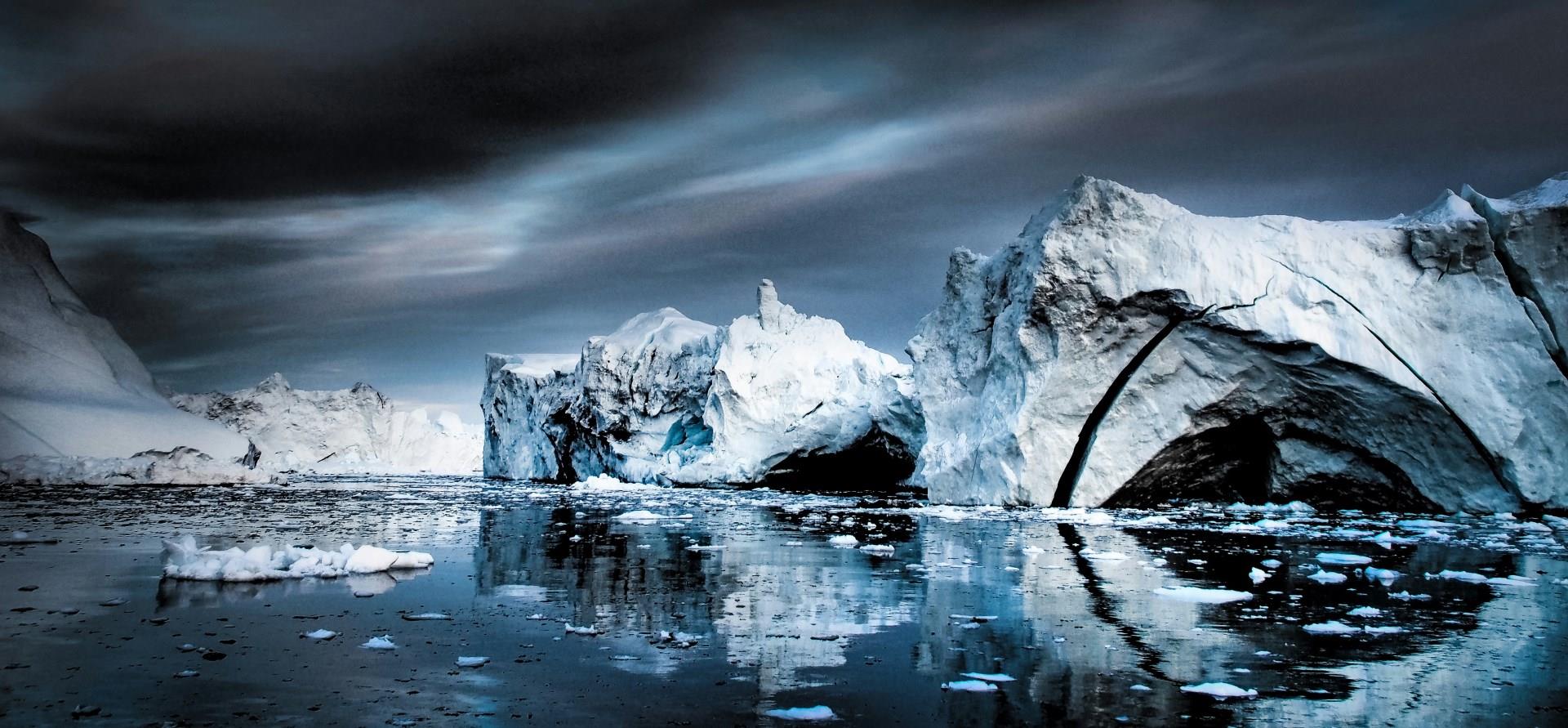
On Greenland’s west coast, Ilulissat (once known as Jakobshavn) welcomes travelers with astonishing ice scenery and a sense of scale that feels almost otherworldly. The town sits beside Disko Bay, where immense icebergs drift silently past, glowing pink and gold in the Arctic light. The name “Ilulissat” means “icebergs,” and it could not be more fitting. Here, every turn toward the sea offers a fresh view of towering ice forms, each one sculpted by nature into something fleeting and beautiful.

Bocas Del Toro
Bocas del Toro, an enchanting archipelago on Panama’s Caribbean coast, is a paradise where vibrant culture meets unspoiled natural beauty. Renowned for its stunning islands, turquoise waters, and lively atmosphere, Bocas del Toro offers an adventure for every type of traveler. The archipelago’s main hub, Bocas Town, is located on Isla Colón and is the perfect starting point to explore the area’s many delights, from world-class surfing at Bluff Beach to snorkeling and diving in the kaleidoscopic
