
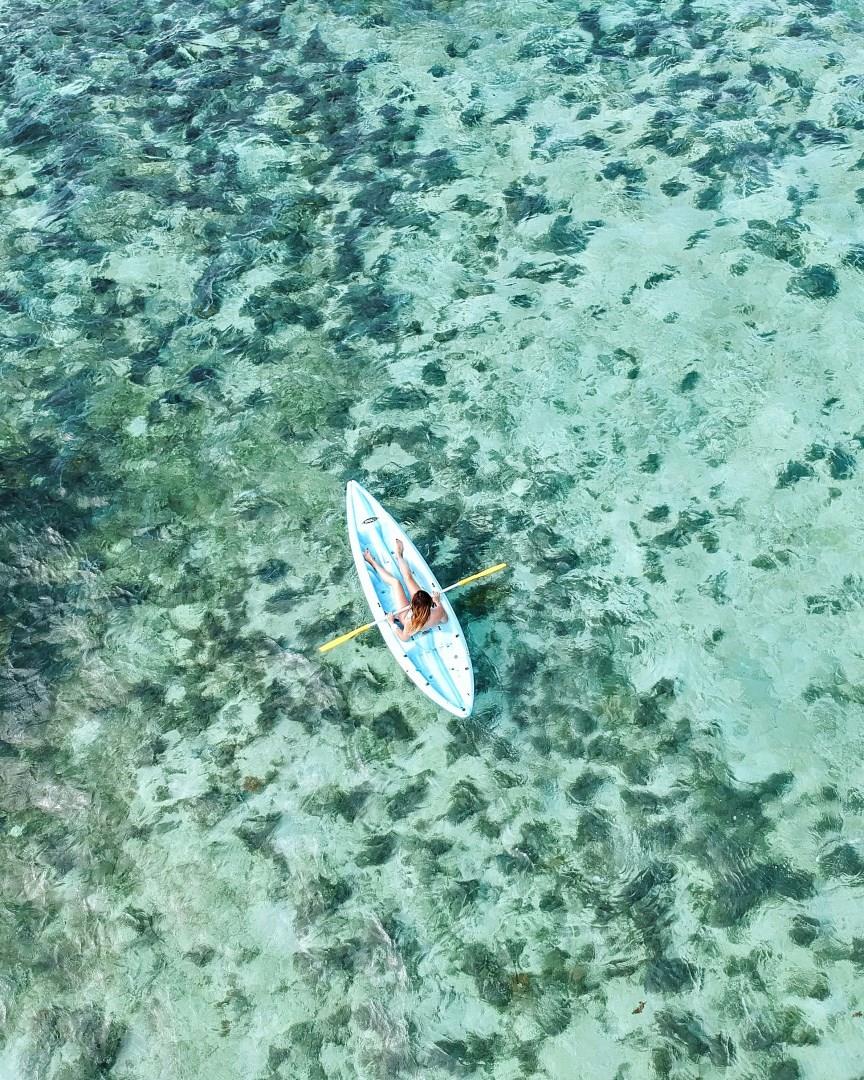
Coral Coast
The Coral Coast stretches along the southern edge of Fiji’s main island of Viti Levu, beginning around 15 km south of Nadi and continuing toward Suva. This 80 km shoreline is dotted with beaches that widen at low tide, bays set against green hills, and a series of small townships that feel welcoming and down to earth. Sigatoka, often called the gateway to the Coral Coast, sits beside the winding Sigatoka River, where local markets brim with fresh tropical fruit and handmade crafts.
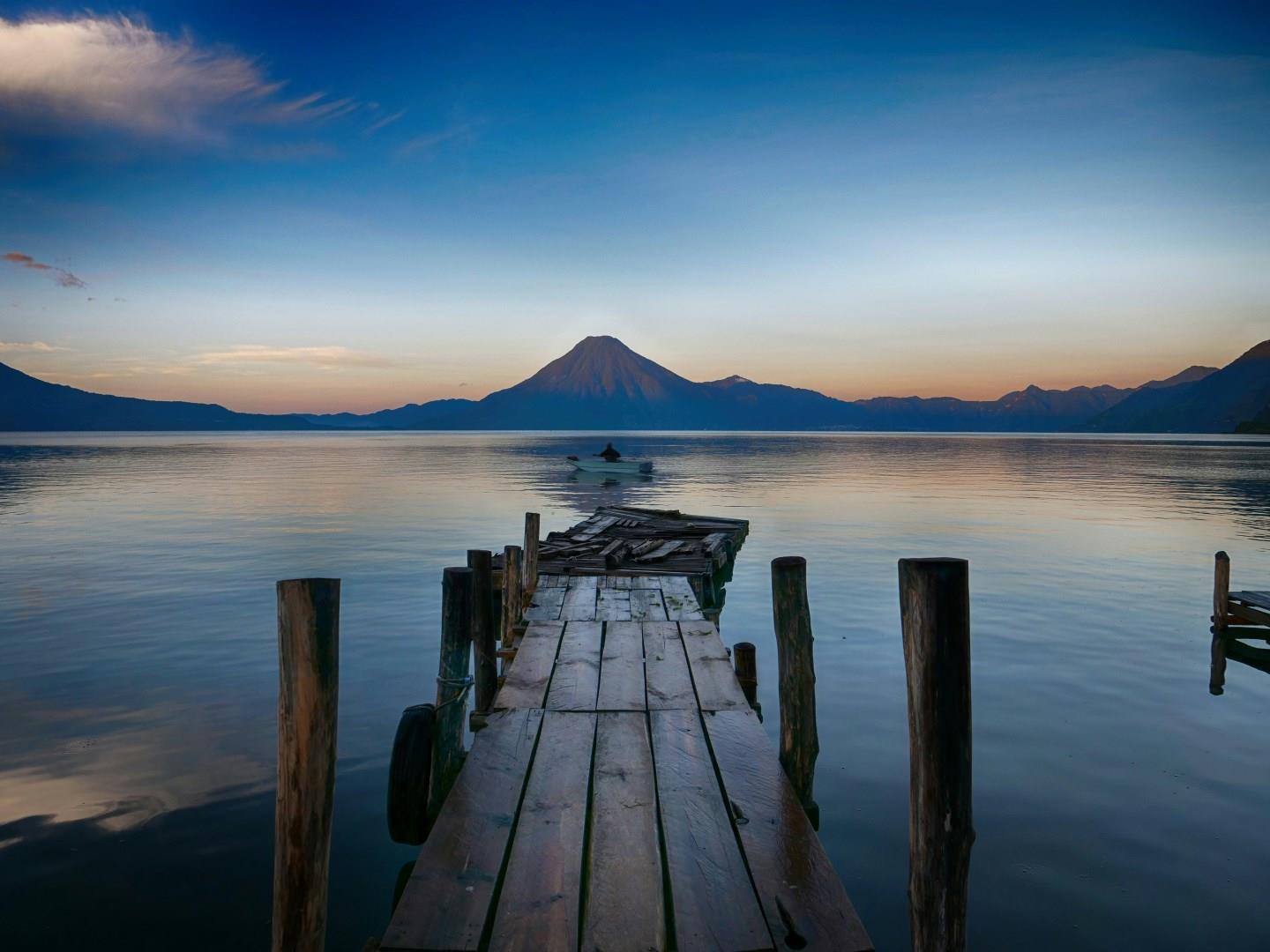
Panajachel
Panajachel, on the shores of Guatemala’s Lake Atitlán, is a vibrant town framed by volcanic peaks and the shimmering waters of one of the world’s most picturesque lakes.
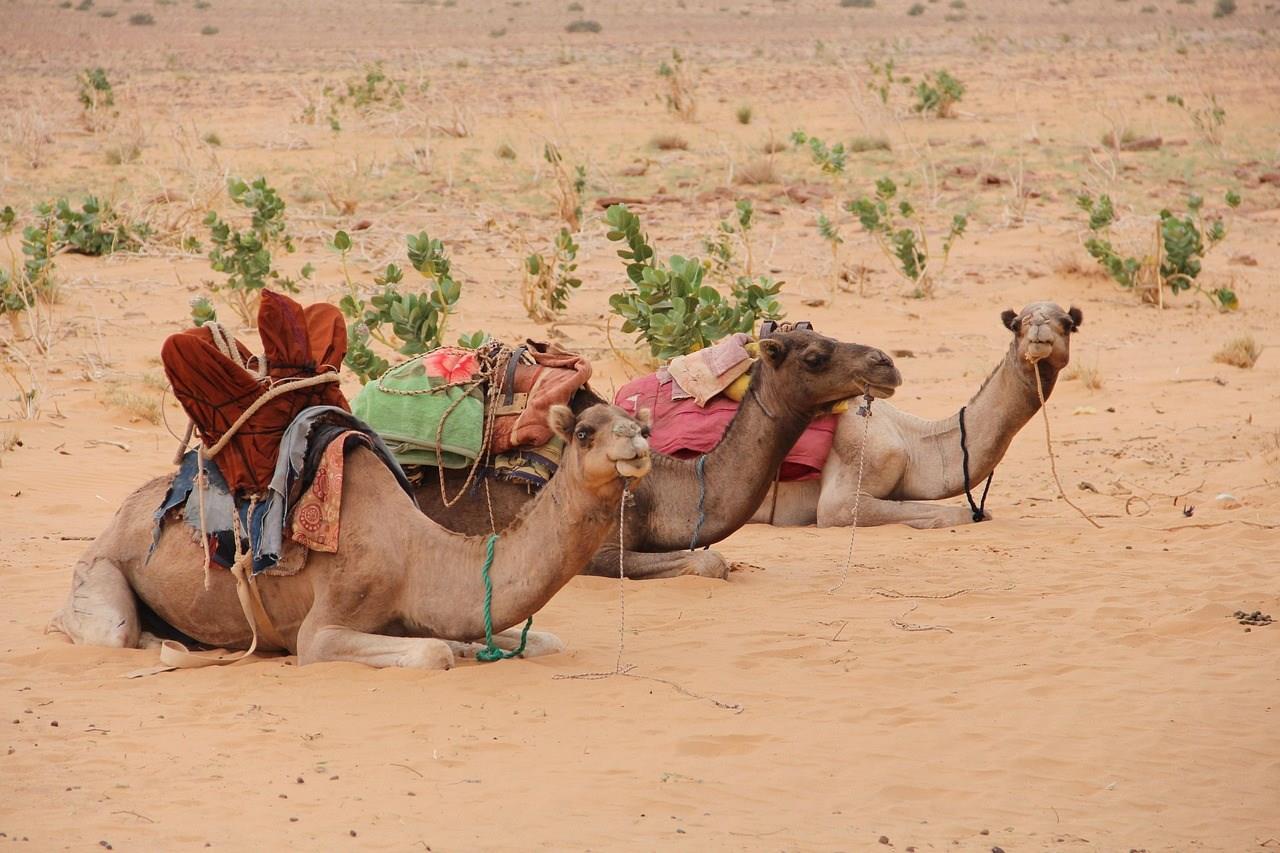
Mauritania
Mauritania, stretching between the Atlantic Ocean and the Sahara Desert, offers travelers a journey through wide-open landscapes and centuries of history. Its terrain is marked by shifting sand dunes, ancient caravan towns, and stretches of untouched coastline.
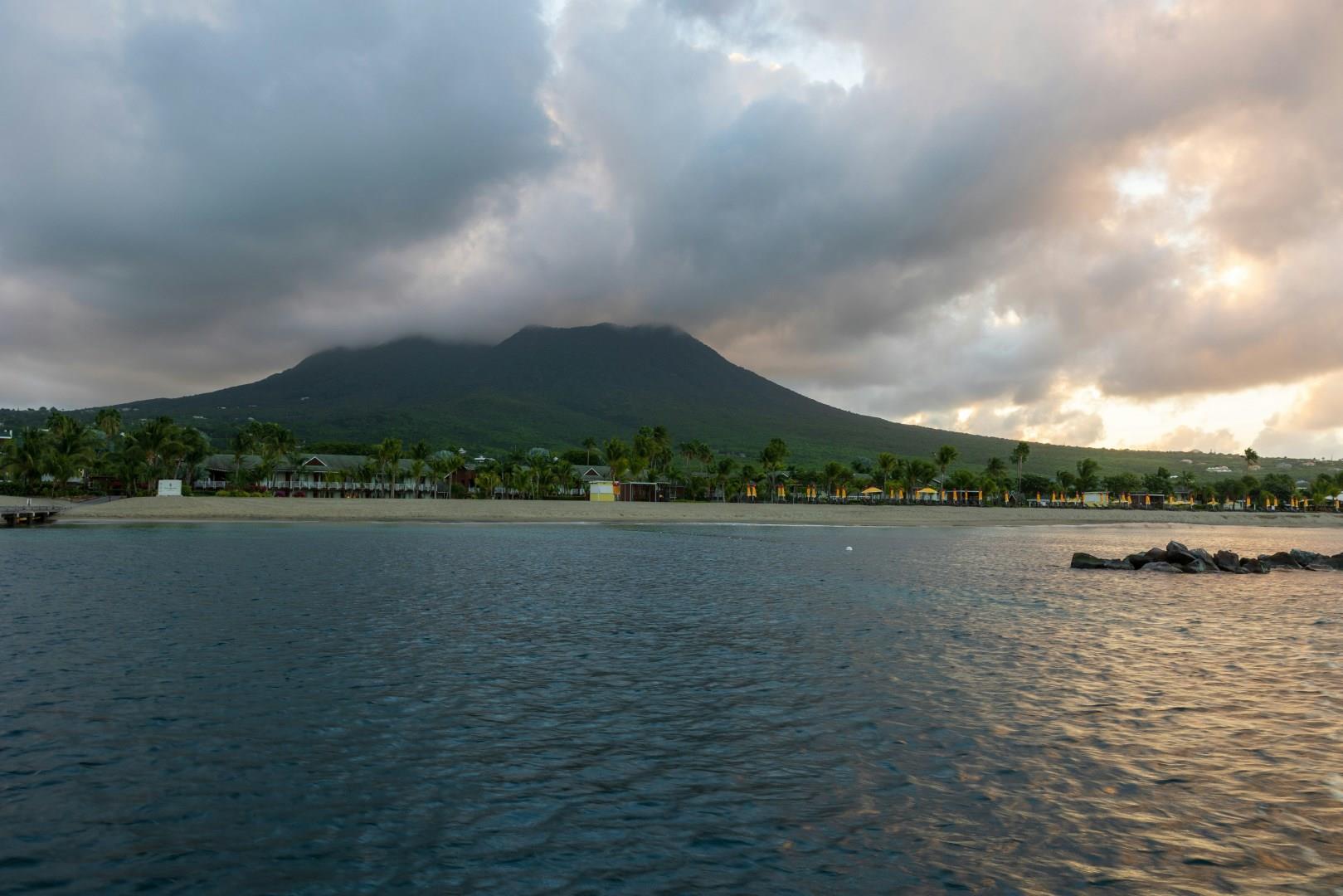
Nevis
Nevis, the smaller of the two islands in the Federation of St. Kitts and Nevis, is often described as the more tranquil and unspoiled counterpart to its sister island. Dominated by the graceful silhouette of Nevis Peak, a dormant volcano rising to 985 meters, the island is ringed by golden beaches and lush hillsides.
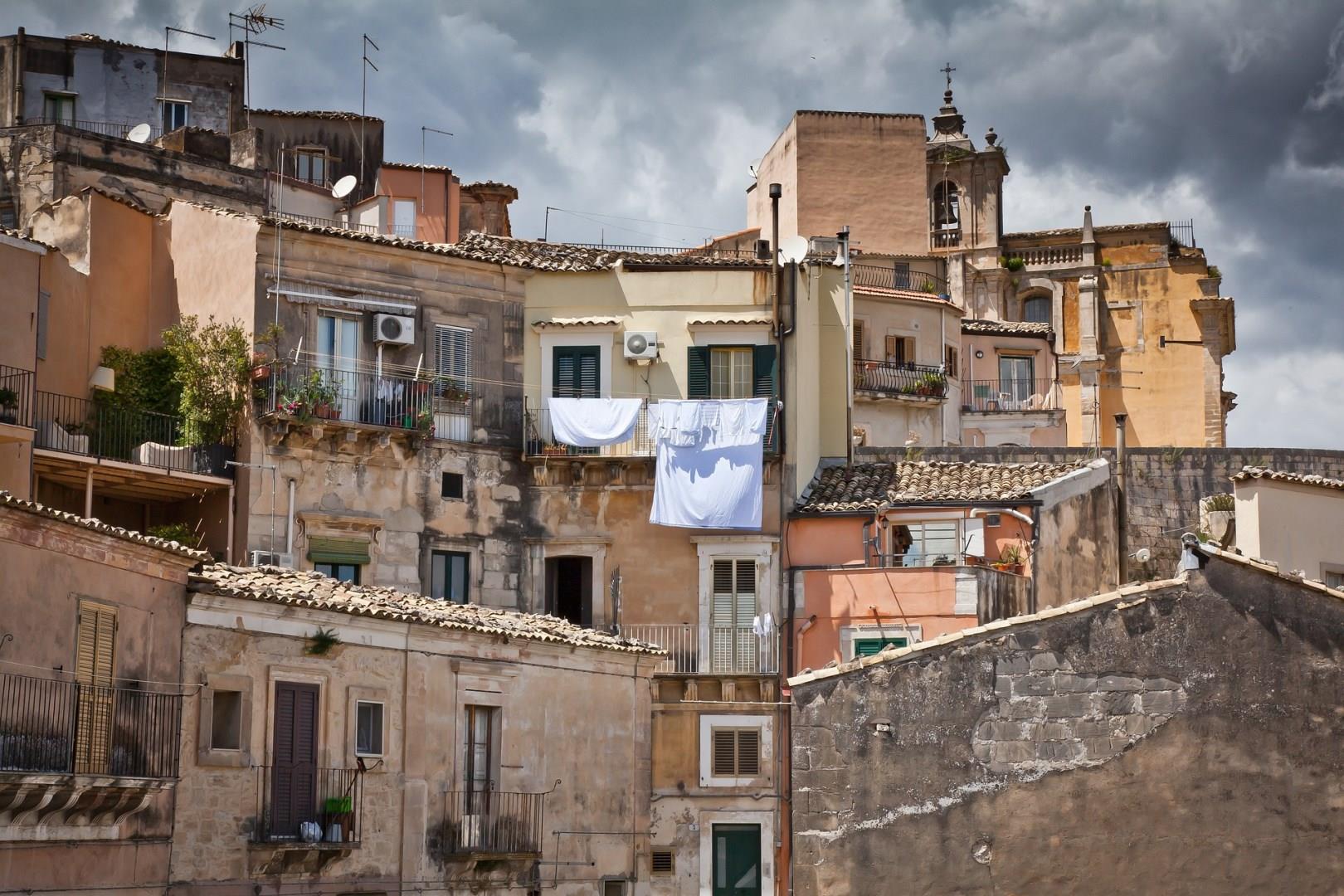
Ragusa Sicily
Ragusa, located in southeastern Sicily, is a city steeped in history and Baroque beauty, often overlooked but truly a gem for travelers seeking a unique and authentic Italian experience. Divided into two distinct parts—Ragusa Superiore and Ragusa Ibla—the city showcases a dramatic contrast between the new and old.
