

Santa Cruz de La Palma
Santa Cruz de La Palma is the capital of the island of La Palma, one of the seven Canary Islands. Although often forgotten in favor of the similarly named Santa Cruz de Tenerife, it is a compact and colorful colonial town well worth a visit. Swimming, paragliding, and hiking and some of the most popular daytime activities, while stargazing is a favorite pastime after the sun goes down.
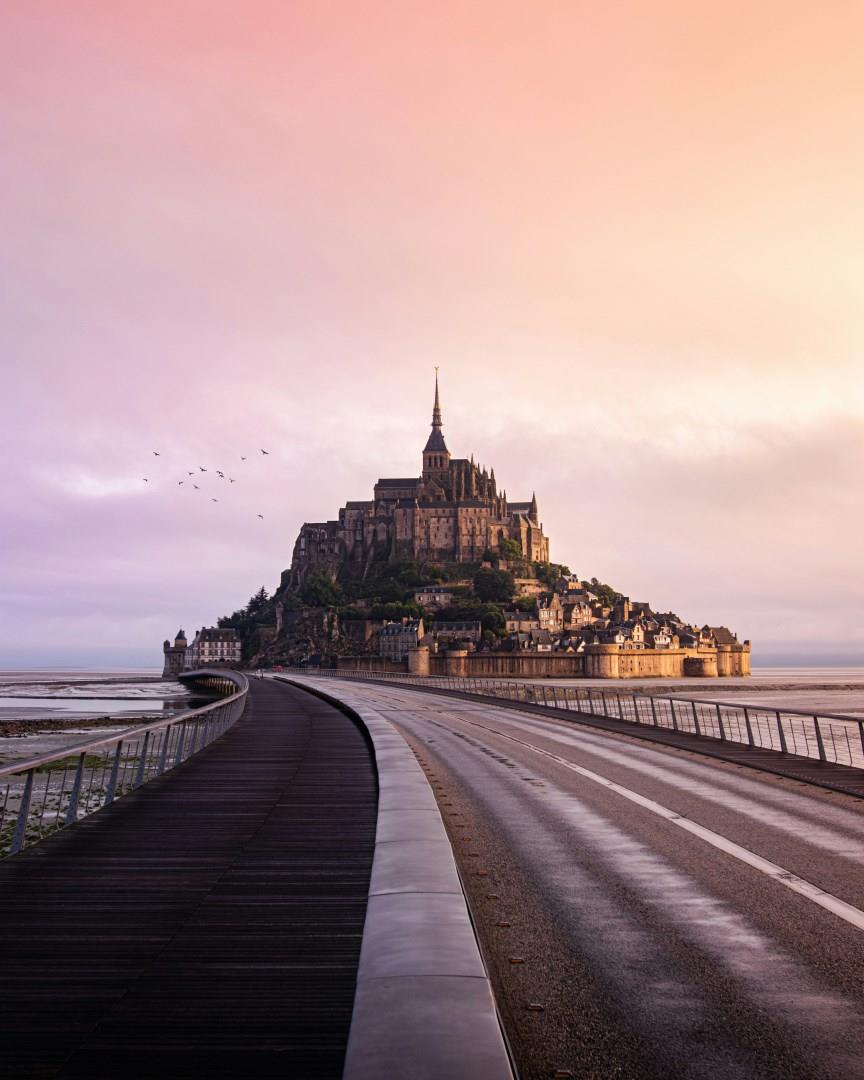
Mont St. Michel
Mont-Saint-Michel rises from tidal flats along the Normandy coast, its abbey and village shaped by centuries of pilgrimage, defense, and isolation.
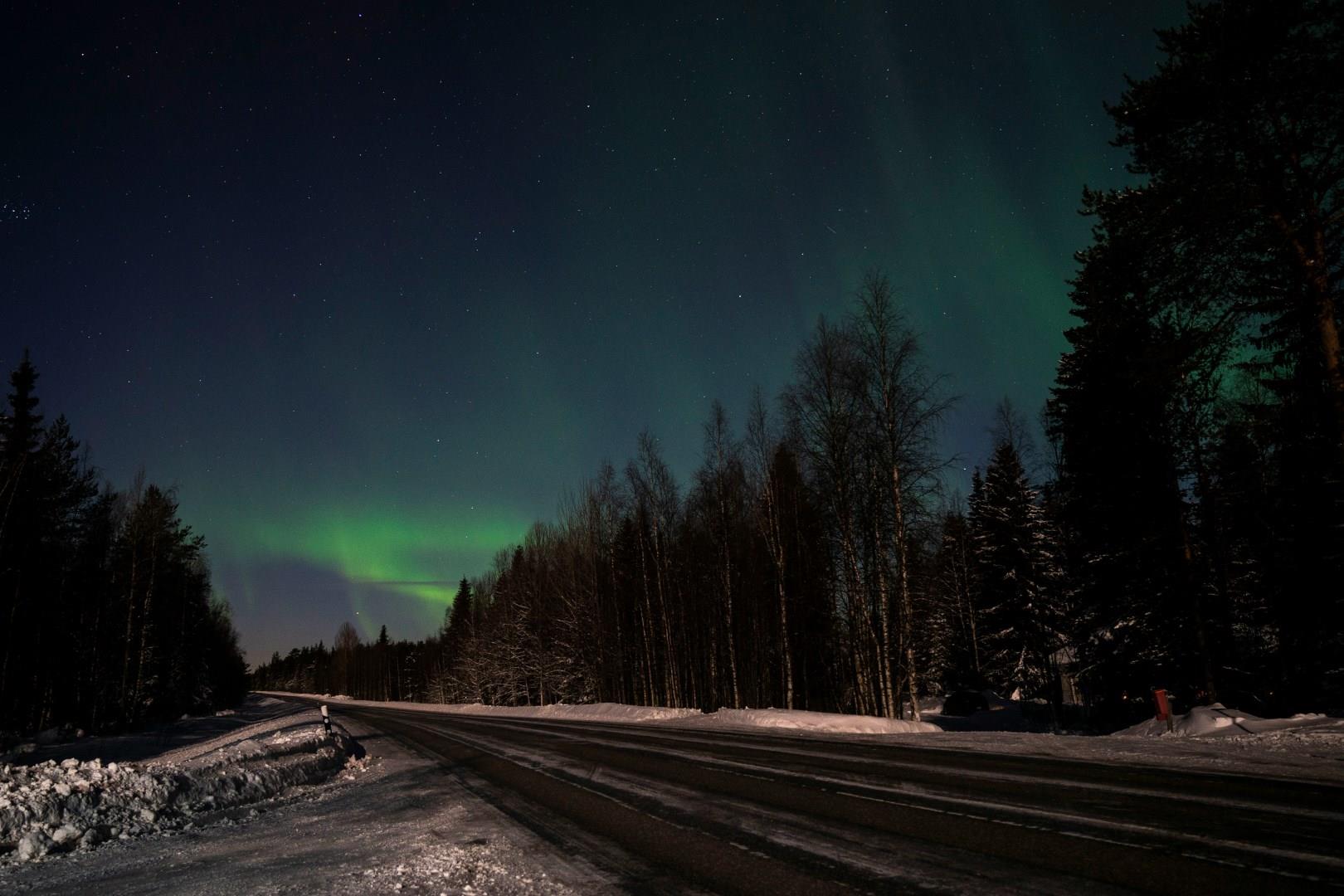
Rovaniemi
Rovaniemi, located just a few kilometers south of the Arctic Circle, is widely recognized as the official hometown of Santa Claus. From late August through early April, the Northern Lights are visible on clear nights, and several local guides offer nighttime tours to remote locations for optimal viewing. During summer, the sun doesn't set for weeks, giving travelers the rare chance to hike or kayak under a sky that stays bright at midnight.
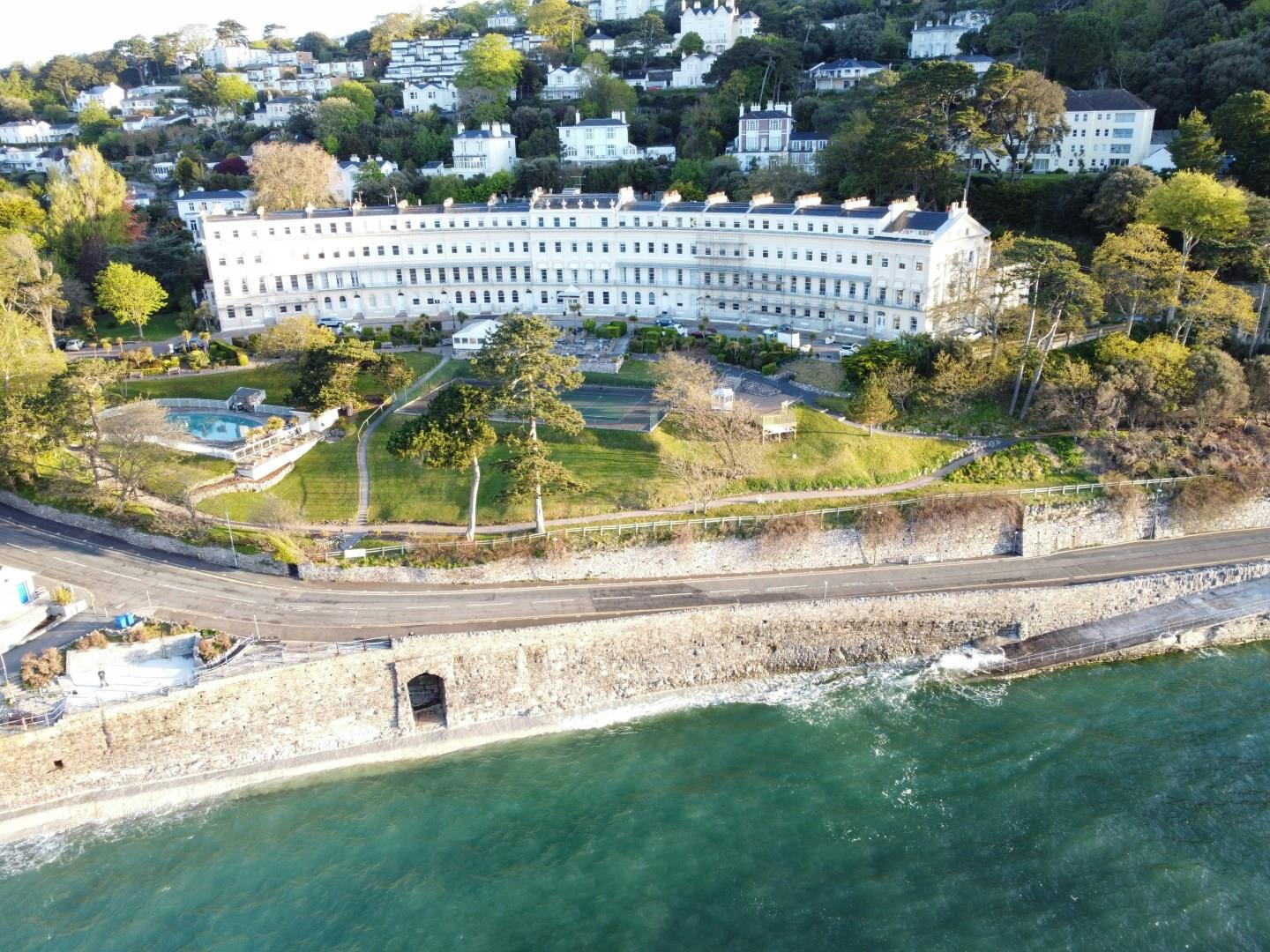
Torquay
Torquay, located on England’s southwest coast in Devon, is often referred to as the gateway to the English Riviera. With origins as a small fishing village, it expanded rapidly in the 19th century as a seaside resort, attracting visitors with its mild climate, sandy beaches, and scenic coastline.

Wroclaw
Wrocław, a captivating gem in southwestern Poland, enchants visitors with its rich history, vibrant culture, and stunning architecture. The city’s picturesque Old Town is centered around the magnificent Market Square (Rynek), where colorful facades and historic buildings like the Gothic Wrocław Town Hall create a fairy-tale atmosphere.
