
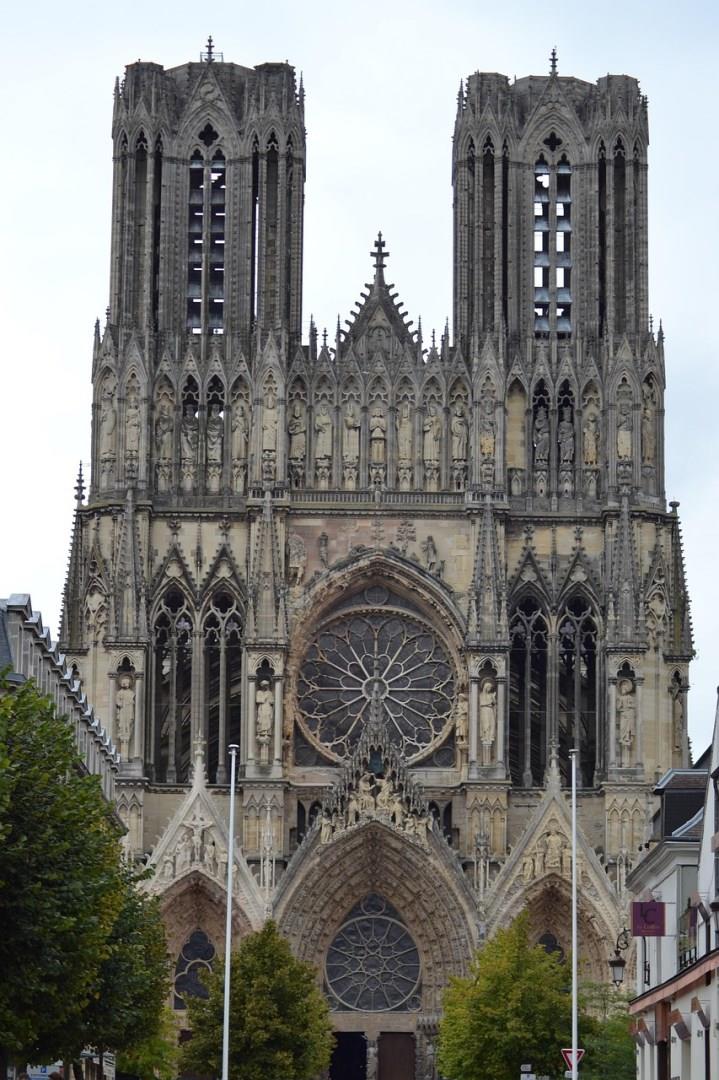
Reims
France’s city of Reims, located in the heart of the Champagne region, is a place where history and celebration meet. Known for its towering cathedral, Reims played a central role in French royal tradition. Nearly every French king was crowned at the Cathedral of Notre-Dame de Reims, a masterpiece of Gothic architecture that still dominates the skyline. The cathedral’s intricate facade and famous stained-glass window continue to draw visitors from around the world.
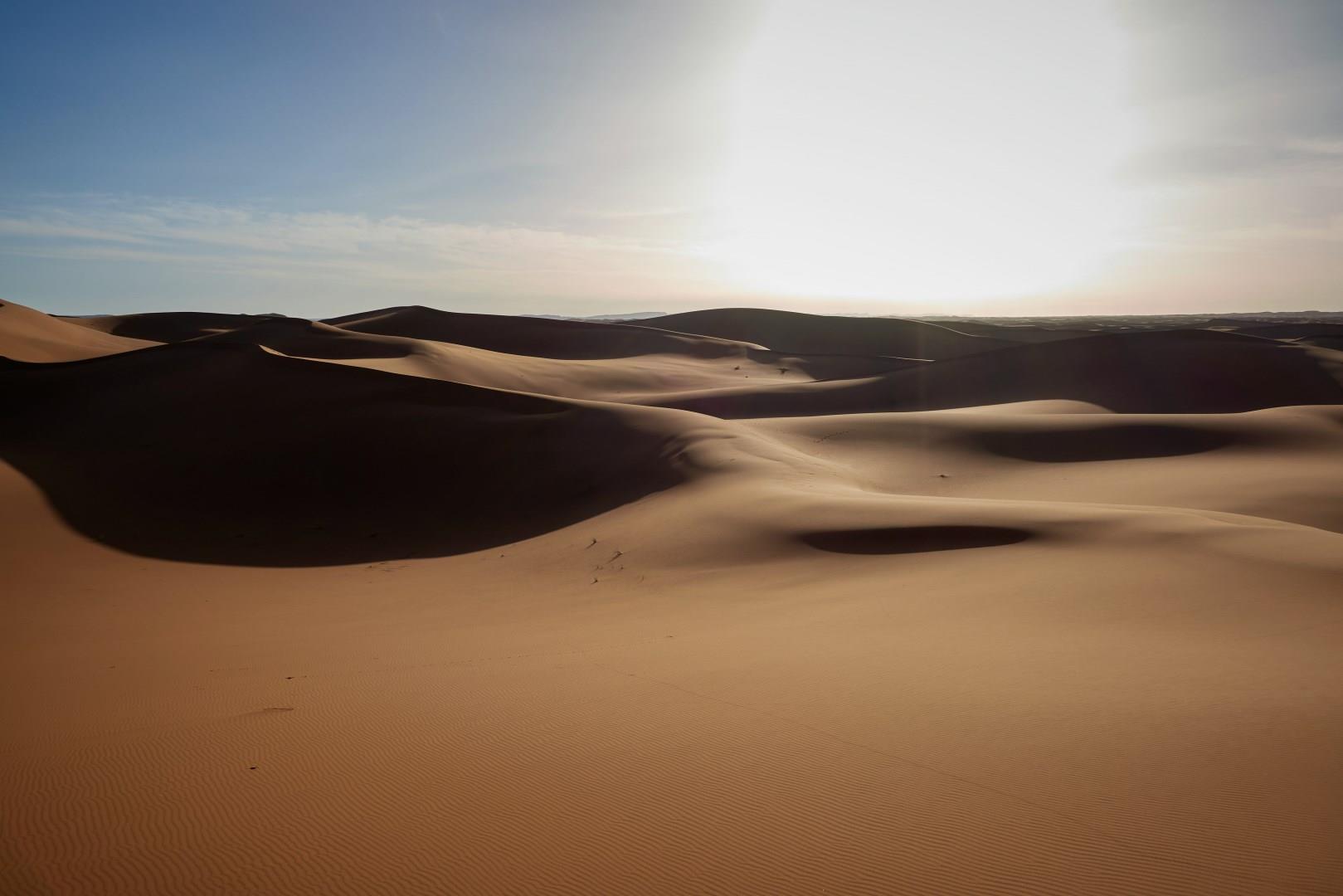
M'Hamid
M’Hamid El Ghizlane sits deep in southeastern Morocco’s Sahara, where the paved road ends and endless sands begin. Travelers often arrive from Zagora, taking in the wide palm groves fed by ancient irrigation channels that show how people have sustained life here for centuries. At sunrise and sunset, the dunes glow with waves of gold and copper, offering unforgettable views few places on earth can match.
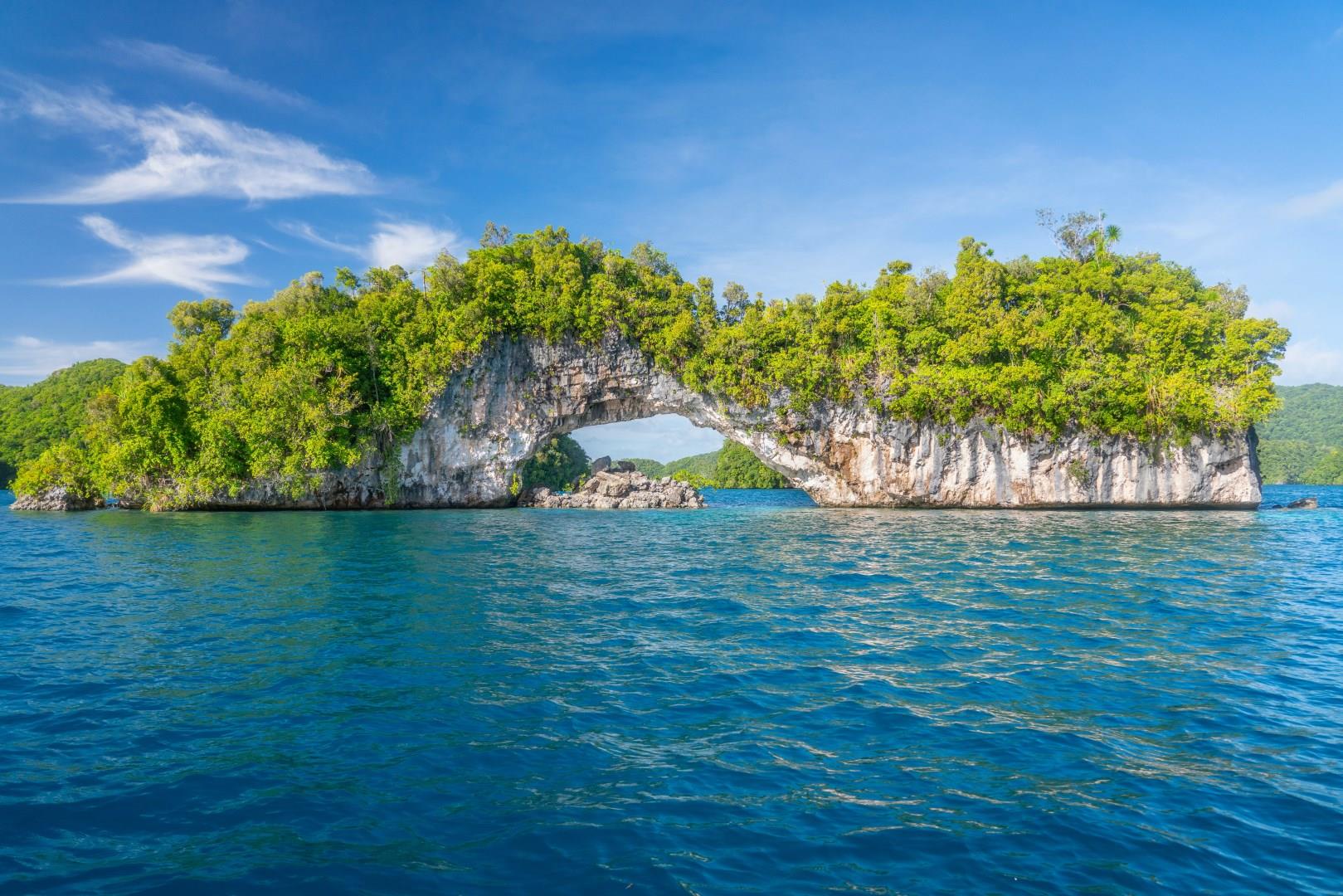
Palau
Palau, a Pacific island nation made up of over 500 islands, offers a one-of-a-kind experience for travelers who want to discover something both ancient and alive. Located between the Philippines and Guam, this small country is known for its otherworldly seascapes, but its appeal runs far deeper than its turquoise waters.

Sicily
Sicily, the largest island in the Mediterranean, is a captivating blend of ancient history, stunning landscapes, and vibrant culture. The island’s rich past is evident in its archaeological treasures, with Greek, Roman, Arab, and Norman influences shaping its architecture and traditions. The Valley of the Temples in Agrigento is a must-visit for history lovers, where you can wander among some of the best-preserved Greek temples outside of Greece.
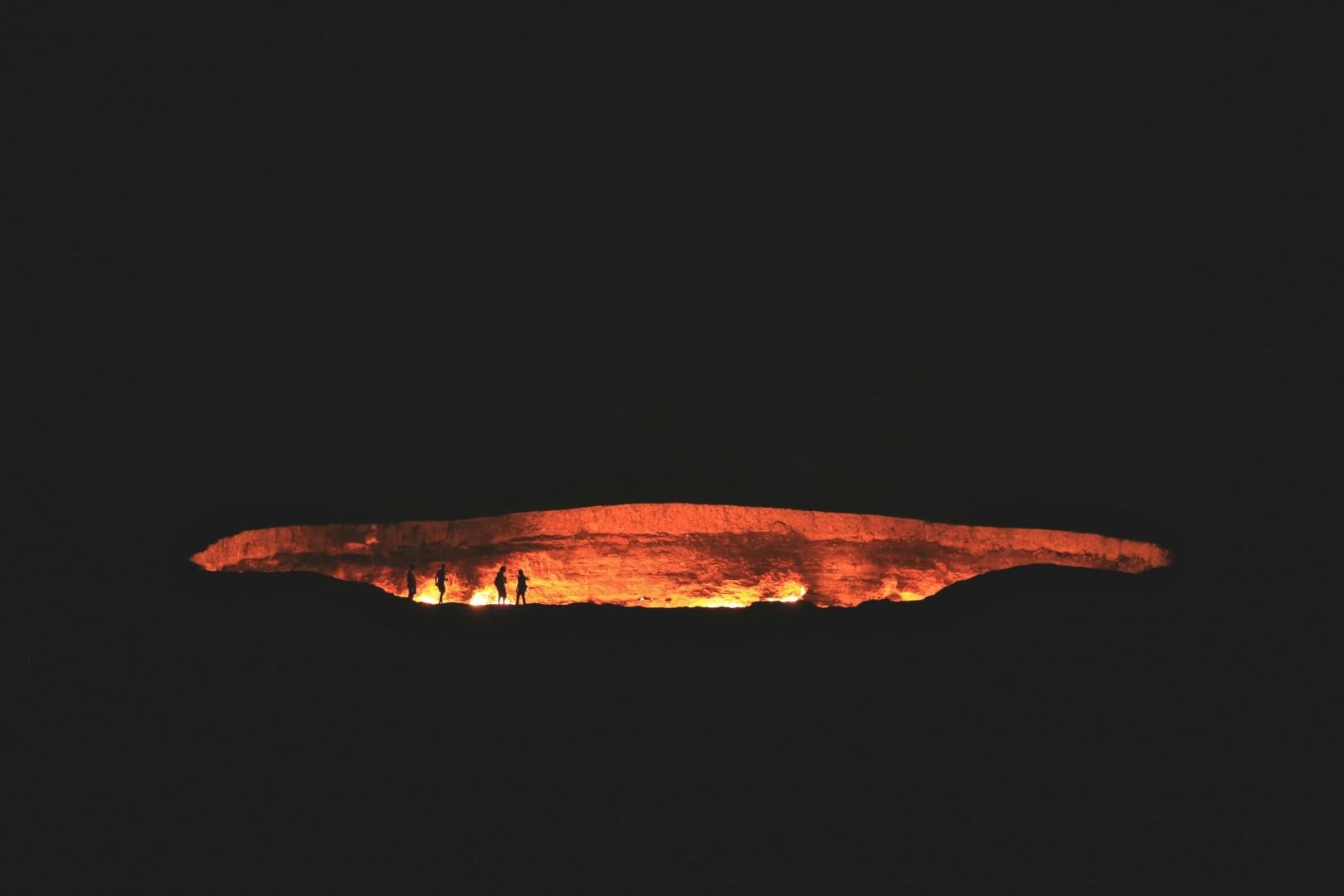
Darvaza
The Darvaza Gas Crater, famously nicknamed the “Door to Hell,” is one of Turkmenistan’s most extraordinary landmarks. Located deep in the Karakum Desert, this fiery pit has been burning continuously since the early 1970s, when Soviet engineers reportedly set fire to a collapsed natural gas field to prevent the spread of methane.
