
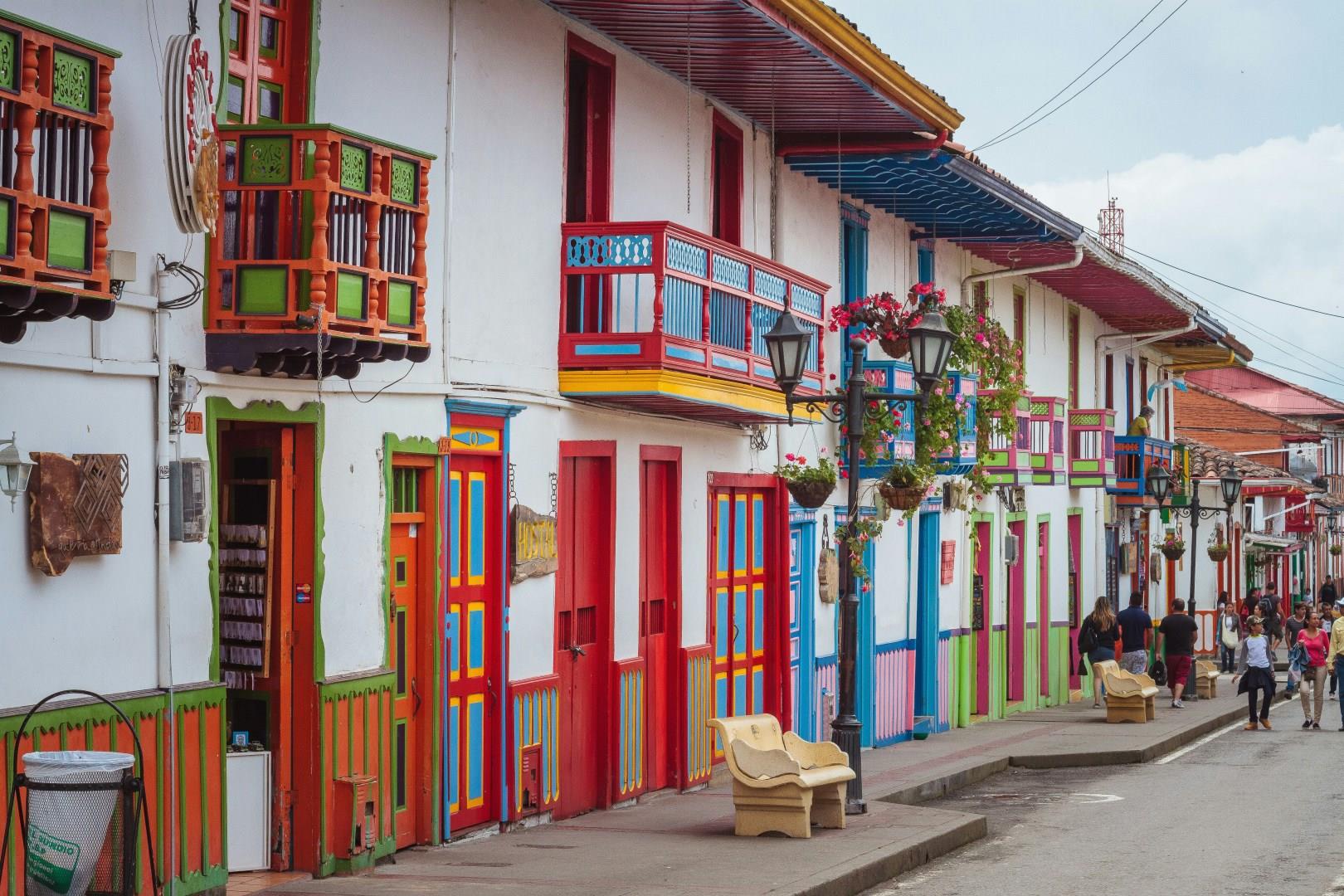
Salento
Salento is the sun-kissed peninsula at the southern tip of Italy’s Puglia region, where history, seaside views, and lively local customs create a destination unlike any other. Its coastline stretches between the Adriatic and Ionian seas, offering beaches with clear, turquoise water and soft sand at places like Torre dell’Orso, Punta Prosciutto, and Porto Cesareo, each with its own character and allure for visitors exploring the shore.
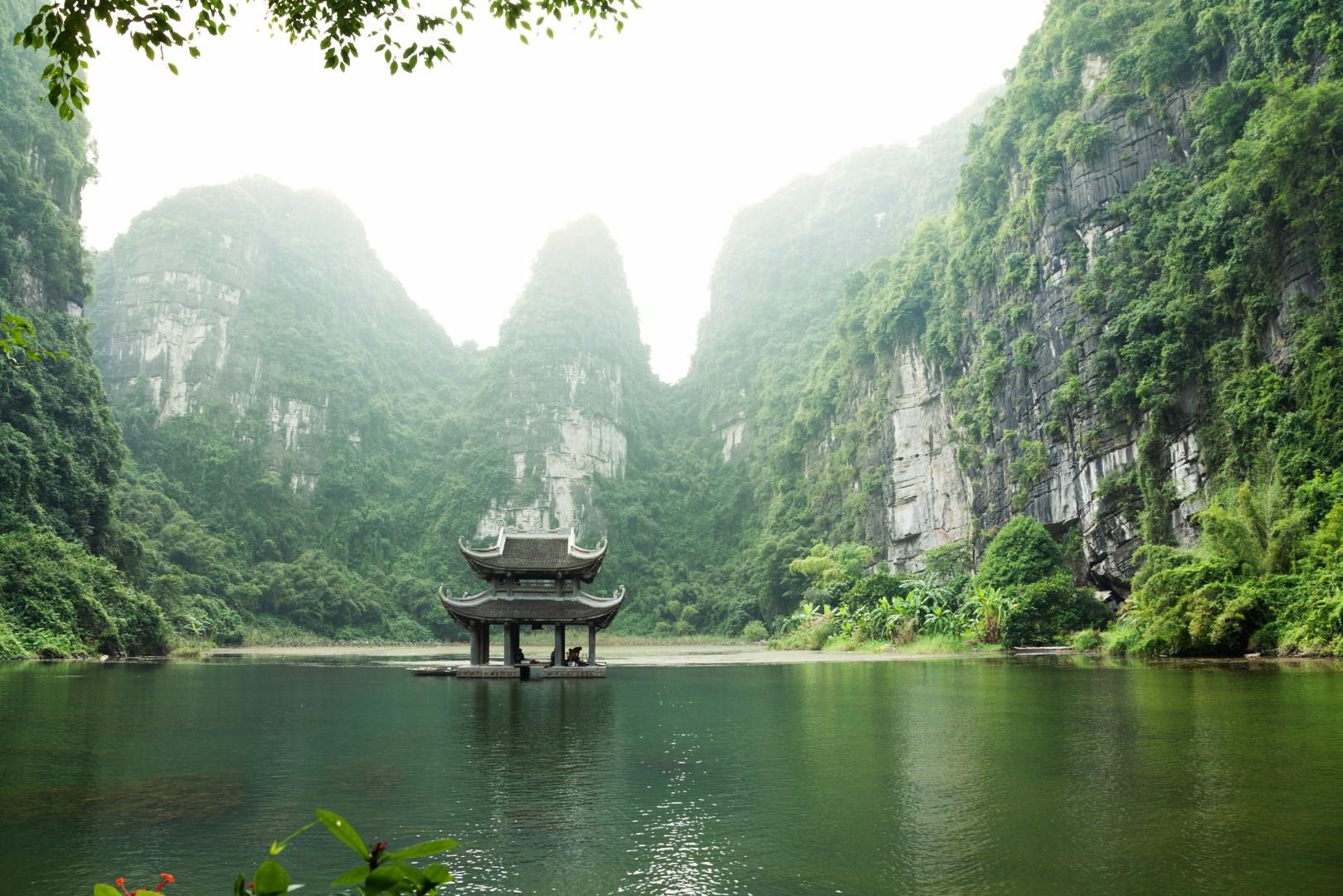
Ninh Binh
Ninh Binh, located about 100 kilometers south of Hanoi, offers a landscape shaped by limestone karsts, winding rivers, and flooded rice paddies. Often referred to as “Ha Long Bay on land,” the area is best explored by rowboat. At Trang An Scenic Landscape Complex, boat routes pass through caves, ancient pagodas, and valleys surrounded by towering cliffs. Local rowers often use their feet to paddle, an unusual technique that surprises many first-time visitors.

Blyde River Canyon
Nestled in the northeastern corner of South Africa, the Blyde River Canyon offers a breathtaking panorama of natural beauty and geological wonder. As one of the largest canyons in the world, this verdant ravine stretches approximately 26 kilometers long and plunges to depths of over 800 meters. Its lush, subtropical foliage and dramatic rock formations create a landscape that is both picturesque and awe-inspiring.
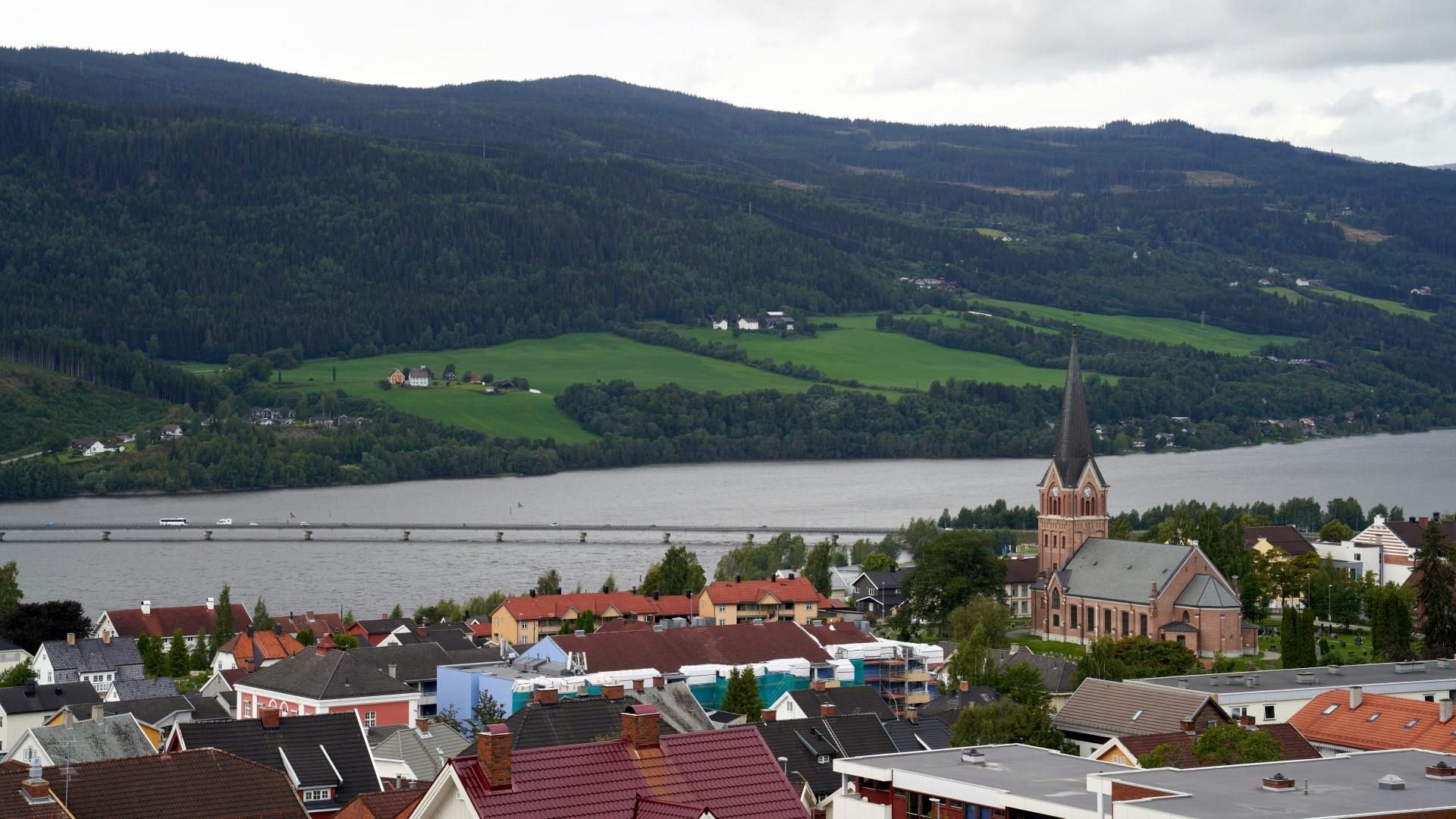
Lillehammer
Lillehammer, nestled along the northern shores of Norway’s Lake Mjøsa and framed by pine-covered hills, is a town that blends natural beauty with cultural richness. Famous for hosting the 1994 Winter Olympics, Lillehammer has leveraged its global spotlight to cultivate attractions that celebrate both its sporting legacy and artistic heritage.
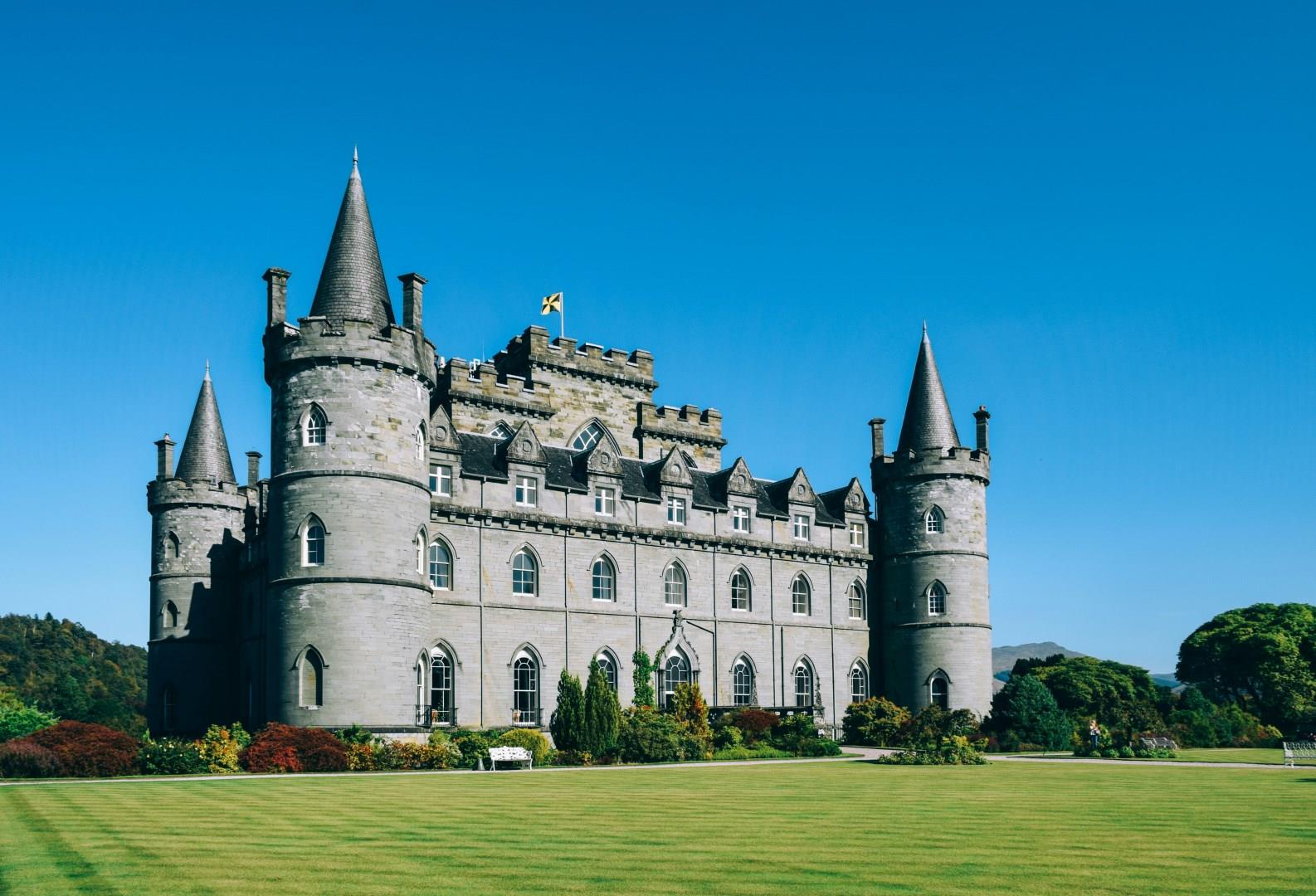
Inveraray
Inveraray, a small town on the western shore of Loch Fyne in Argyll and Bute, Scotland, offers visitors a glimpse into 18th-century planning and Highland heritage. Built largely in the mid-1700s under the direction of the 3rd Duke of Argyll, the town features Georgian architecture, wide streets, and an unusual level of symmetry for a rural Scottish settlement. The main street, lined with whitewashed buildings, leads down to the loch’s edge, where fishing boats and leisure vessels come and go.
