
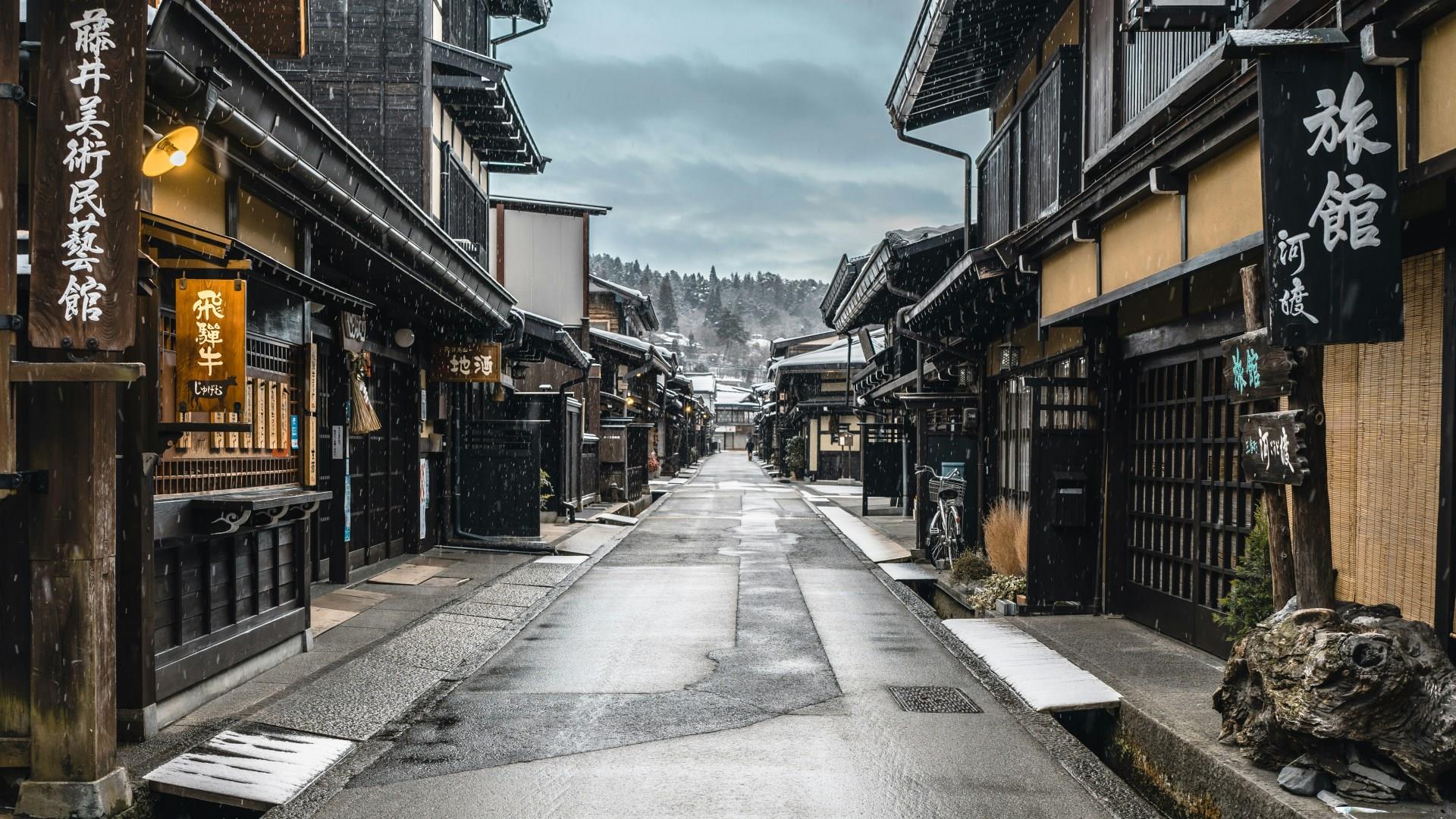
Takayama
Takayama, located in Japan’s mountainous Gifu Prefecture, is a city where traditional culture and natural beauty are remarkably well preserved.
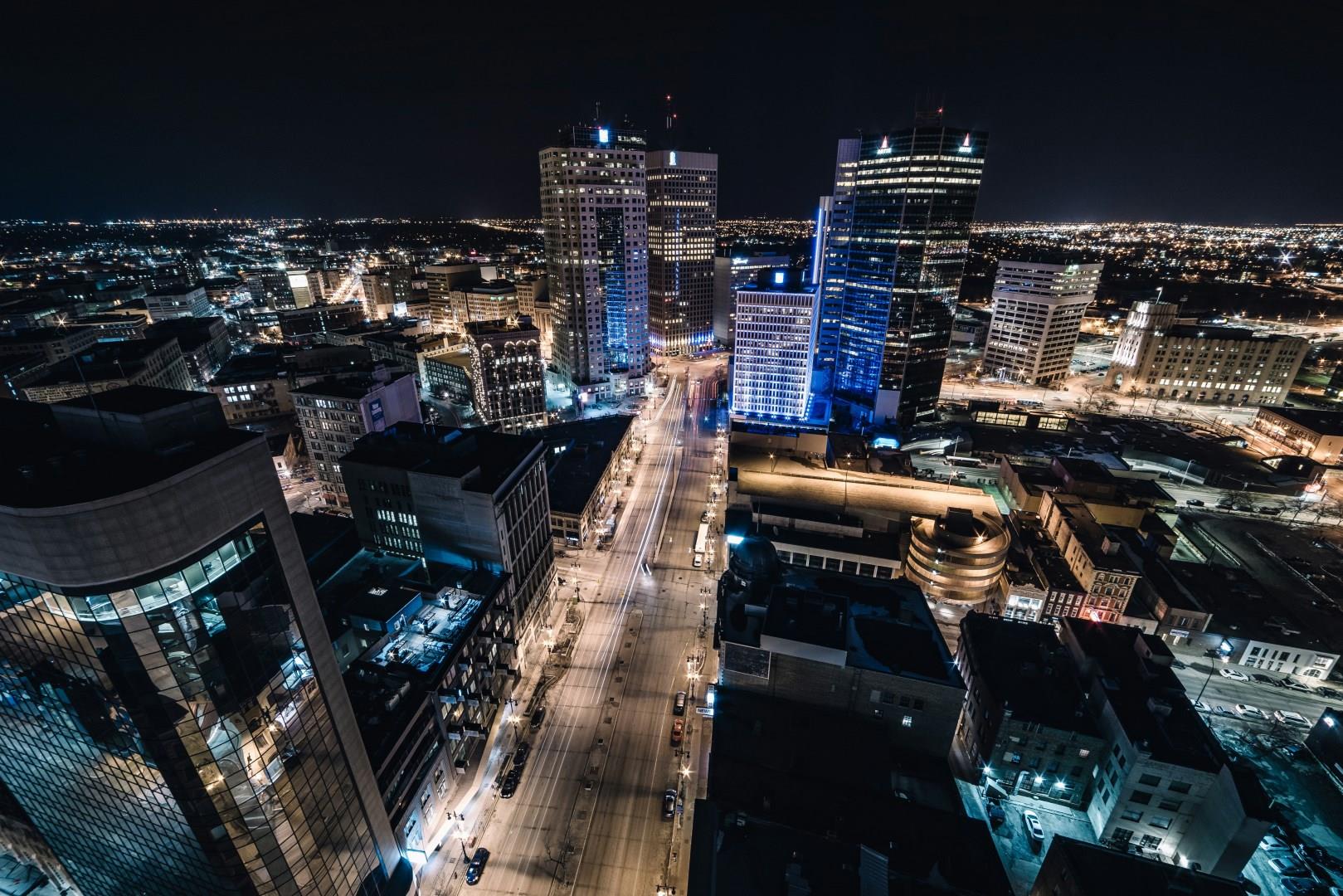
Winnipeg
Winnipeg sits at the meeting point of the Red and Assiniboine rivers, a location that has shaped its role as a gathering place for thousands of years. Long before it became a modern city, the area was central to Indigenous trade networks, a legacy that remains visible today through institutions like The Forks and the Canadian Museum for Human Rights.
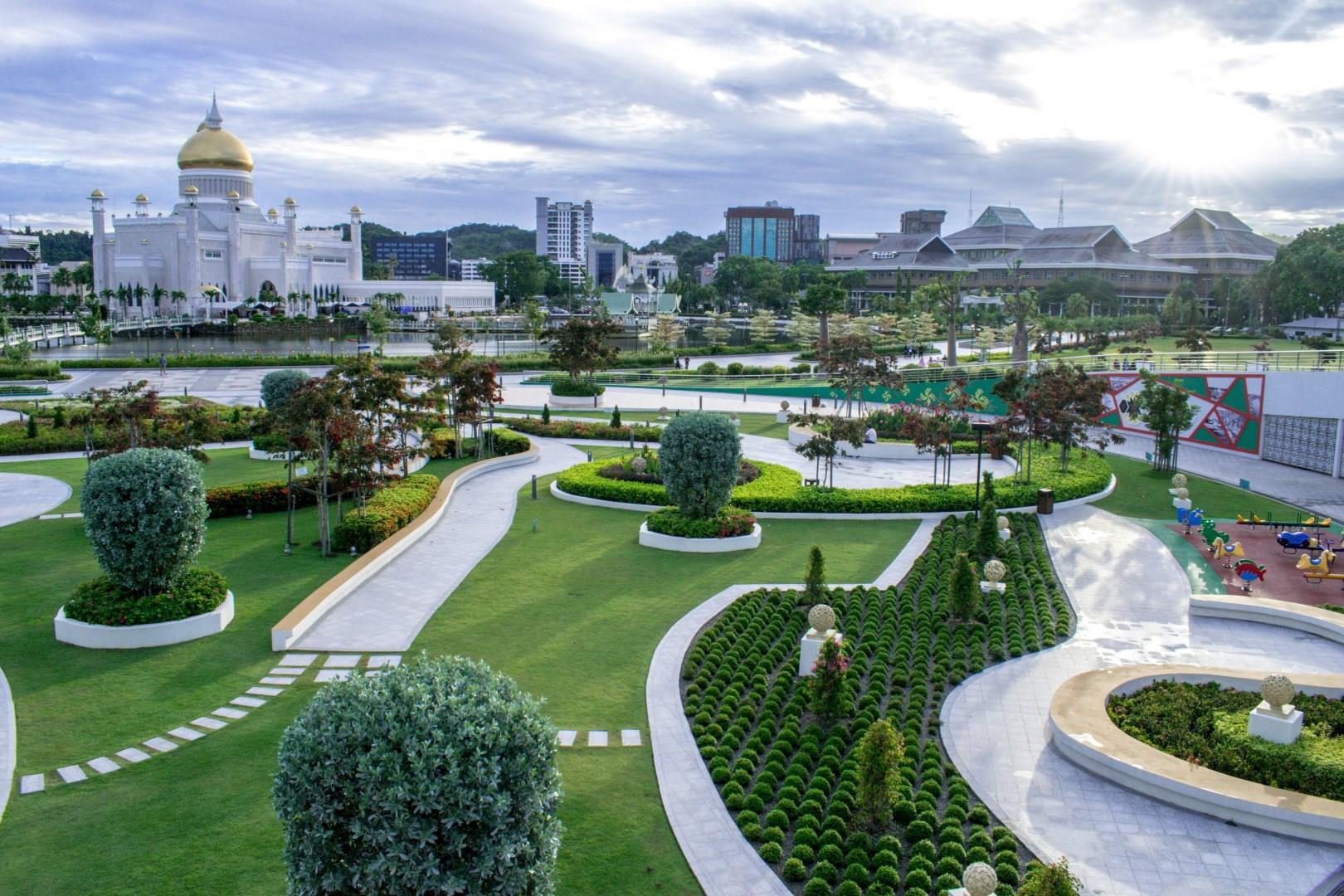
Brunei
Brunei is a small country on the island of Borneo known for its wealth, tropical rainforests, and rich cultural heritage. The country’s landscapes are a mix of dense jungles, rivers, and coastal mangroves, offering a peaceful environment where nature remains largely intact.

Warsaw
Warsaw stands as one of Europe’s most resilient cities, having rebuilt itself almost entirely after World War II. The Old Town, meticulously reconstructed using paintings by Italian artist Bernardo Bellotto, feels centuries old but is, in fact, less than a hundred years in its current form. Behind the medieval facades lie stories of uprisings, resistance, and quiet defiance. Visitors walking through Castle Square can enter the Royal Castle, where Poland’s Constitution of May 3, 1791 was adopted.

Münich
Munich is known for its architecture, fine culture, the annual Oktoberfest beer celebration, its vibrant cultural scene and its museums. But there is much more to Munich than Oktoberfest! For traditional Bavarian beauty, don't miss out on Neuschwanstein Castle, one of the most visited castles in Germany.
