
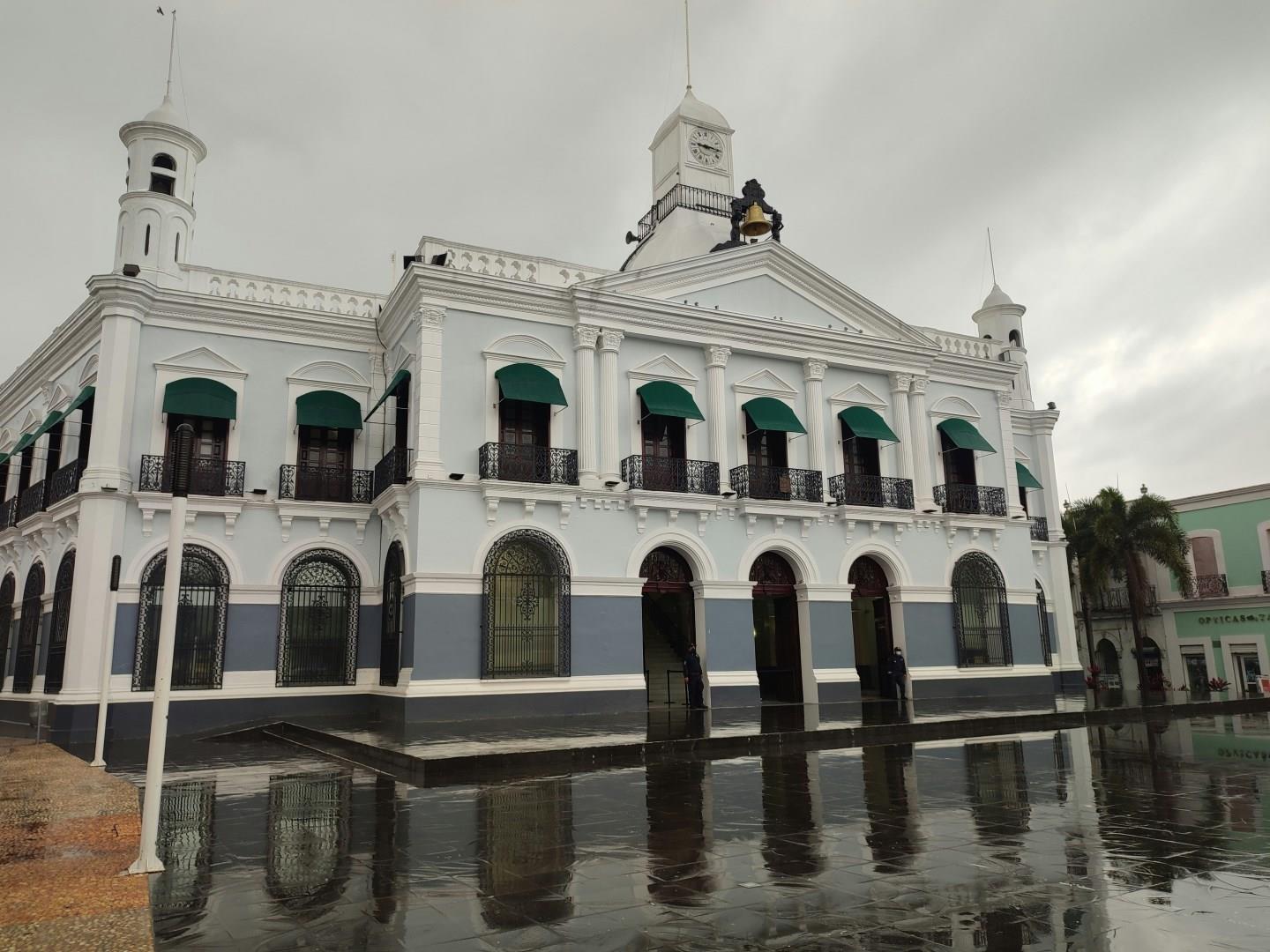
Villahermosa
Villahermosa, the capital of Tabasco, is a city where ancient civilizations, tropical landscapes, and modern life intersect. Known as the “gateway to the Mayan world,” the city sits on the banks of the Grijalva River and serves as a cultural hub for southeastern Mexico. One of its most unique attractions is Parque-Museo La Venta, an open-air museum that blends archaeology with a jungle setting.
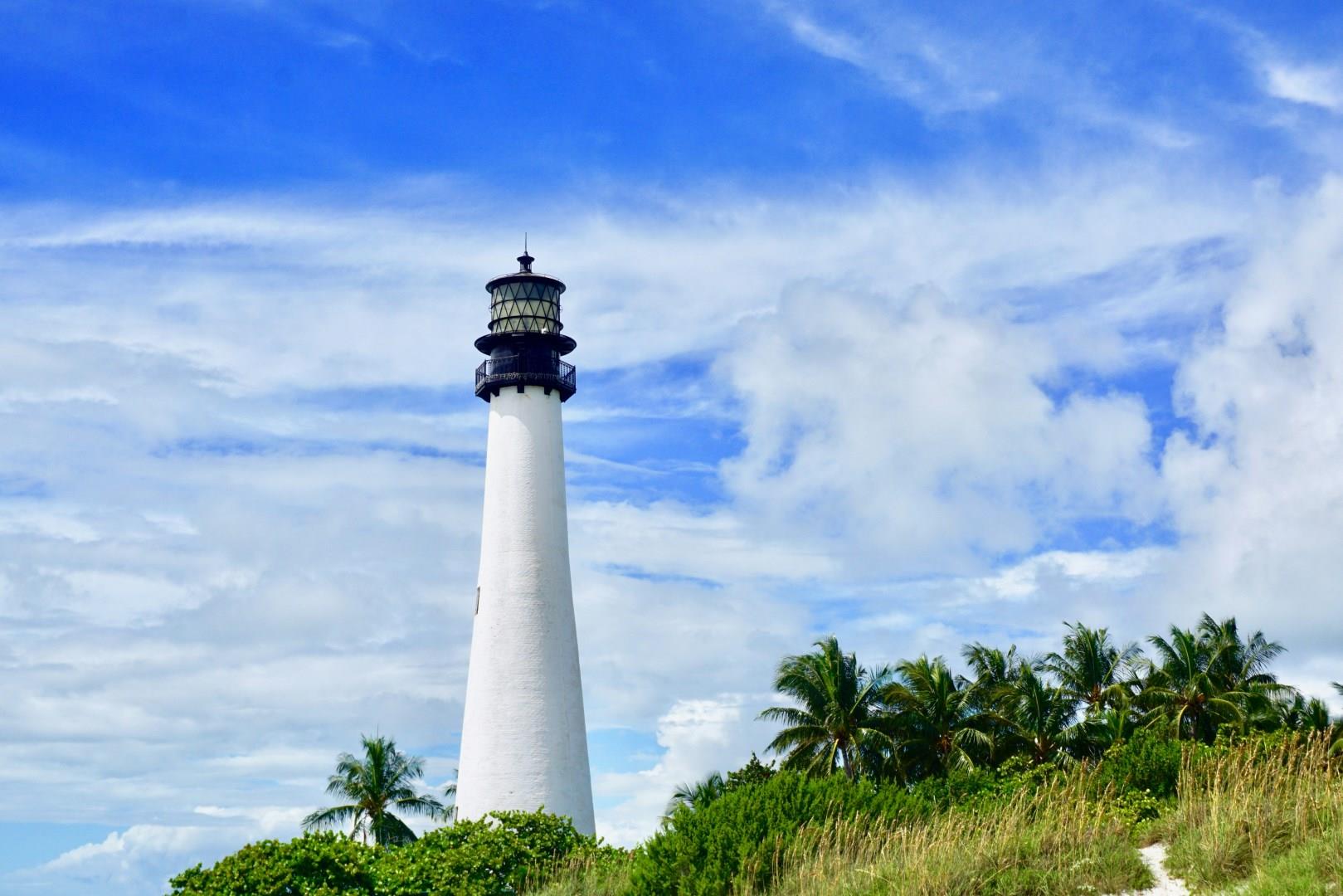
Key Biscayne
Key Biscayne is a tropical island paradise located just six miles off the coast of Miami. This world-class resort community is a place where you can lie back in a hammock and listen to the rustle of palm fronds in the ocean breeze or stroll along the calm sandy Atlantic shore.

Volterra
Nestled in the heart of Tuscany, Volterra offers a captivating journey through time with its well-preserved medieval charm and Etruscan roots. The city's history is evident as you wander through its narrow, winding streets, flanked by ancient walls that date back to the Etruscan period. The Roman Theater, built in the 1st century AD, is a testament to the city's significance in antiquity and provides an evocative glimpse into Volterra’s storied past.

Nawiliwilli, Kauai
This is your passage into the sacred "Garden Isle," where the sweet smell of the mokihana berry permeates the air and the lush green landscapes intoxicate your senses. Visit Waimea Canyon and witness the union of water, sunshine, clouds and canyon walls as they create the most colorful rainbows imaginable.
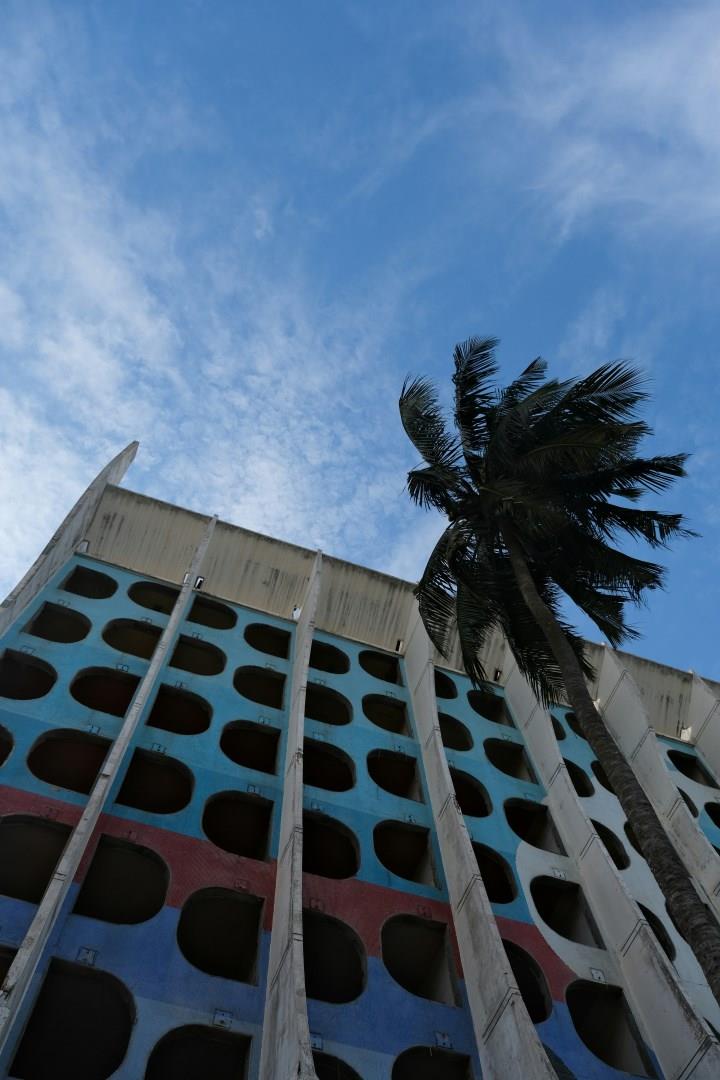
Lome
Lomé, the capital city of Togo, sits along the Gulf of Guinea and serves as both the political and cultural heart of the country. Lomé’s coastline features beaches where locals gather and where visitors can enjoy views of the Atlantic Ocean.
