
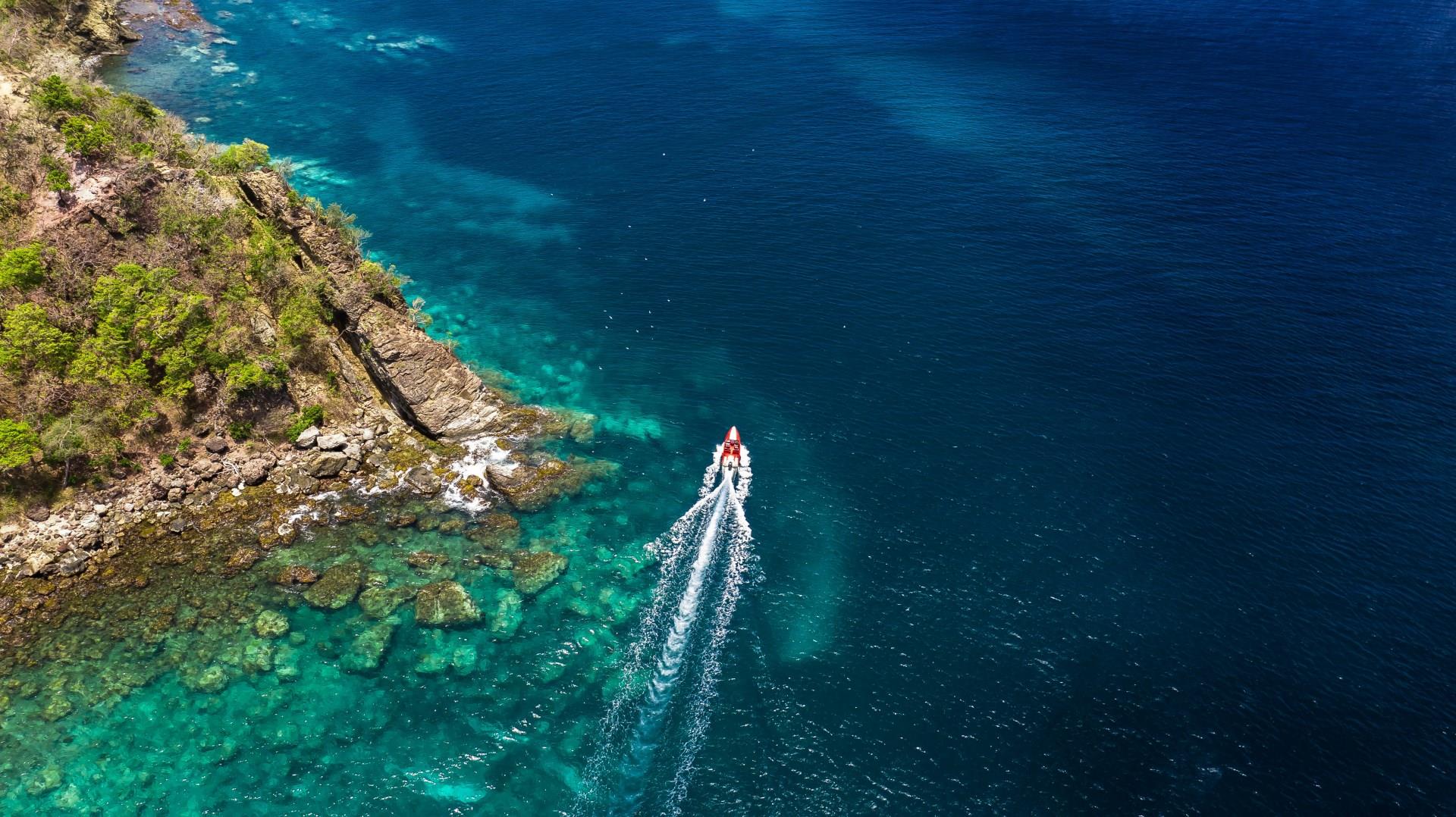
Carriacou
Carriacou, the largest of Grenada’s sister islands, offers a slower pace of life and an intimate window into traditional Caribbean culture. Known as the “Island of Reefs,” it is surrounded by vibrant coral systems that have long supported fishing and sailing traditions.
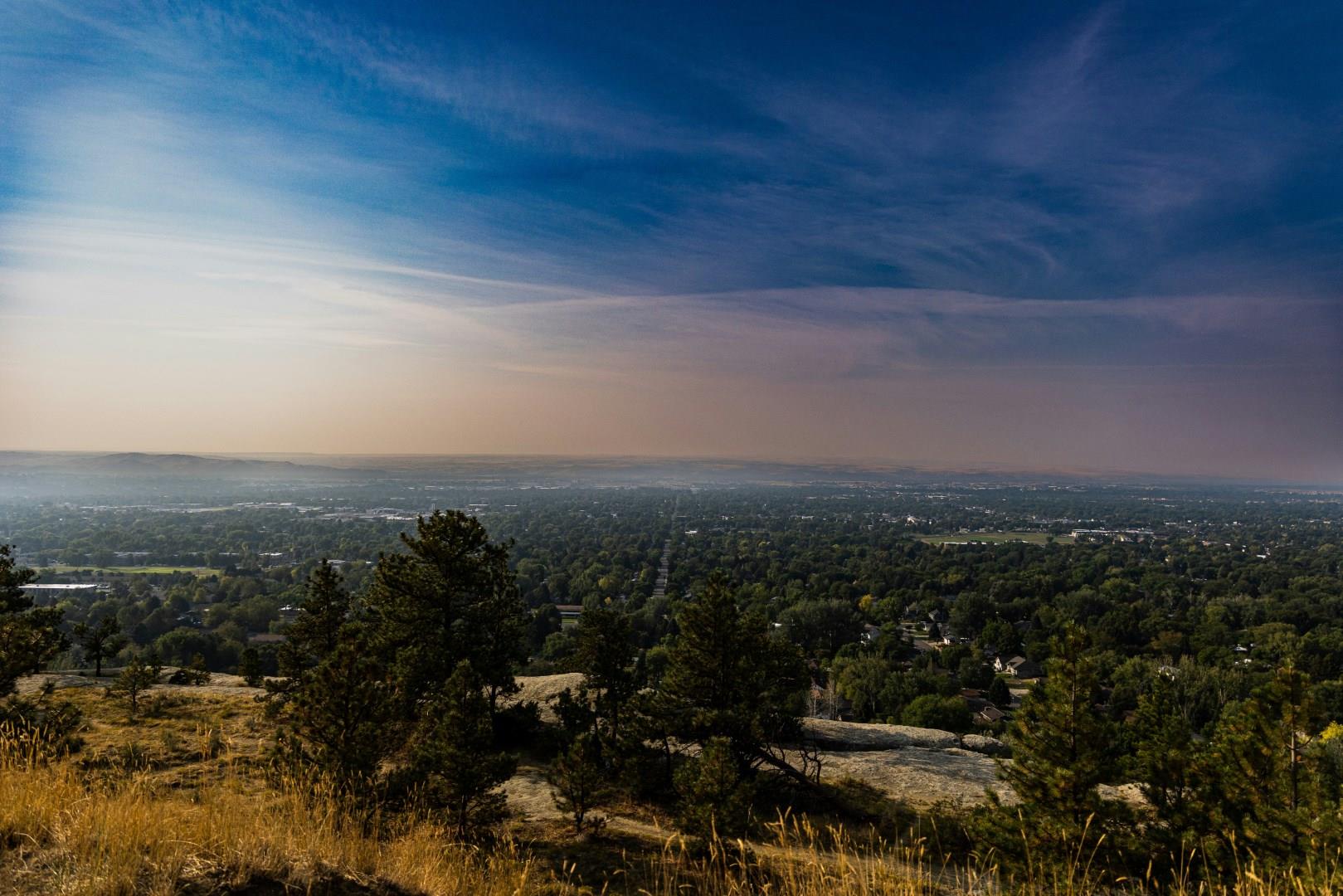
Billings
Billings, Montana sits on the edge of the vast plains and at the base of ancient sandstone cliffs known as the Rimrocks. These formations frame the city and provide miles of scenic overlooks, hiking trails, and even fossil beds. From Swords Park, visitors can walk or bike along the paved trail that follows the rim’s edge, offering sweeping views of downtown, the Yellowstone River, and distant snowcapped peaks.

Speyer
Speyer, located in the Rhineland-Palatinate region of Germany, is a city rich in history and culture. One of its most notable landmarks is the Speyer Cathedral, a UNESCO World Heritage Site and one of the largest Romanesque churches in the world.

Faroe Islands
The Faroe Islands, a hidden gem in the North Atlantic, offers visitors a breathtaking blend of dramatic cliffs, quaint villages, and untouched landscapes. This autonomous territory of Denmark, located between Iceland and Norway, is a dream for nature lovers and adventurers alike. The islands boast rugged coastlines, with towering cliffs like those at Vestmanna, where you can take boat tours to witness seabirds nesting on the rock faces.
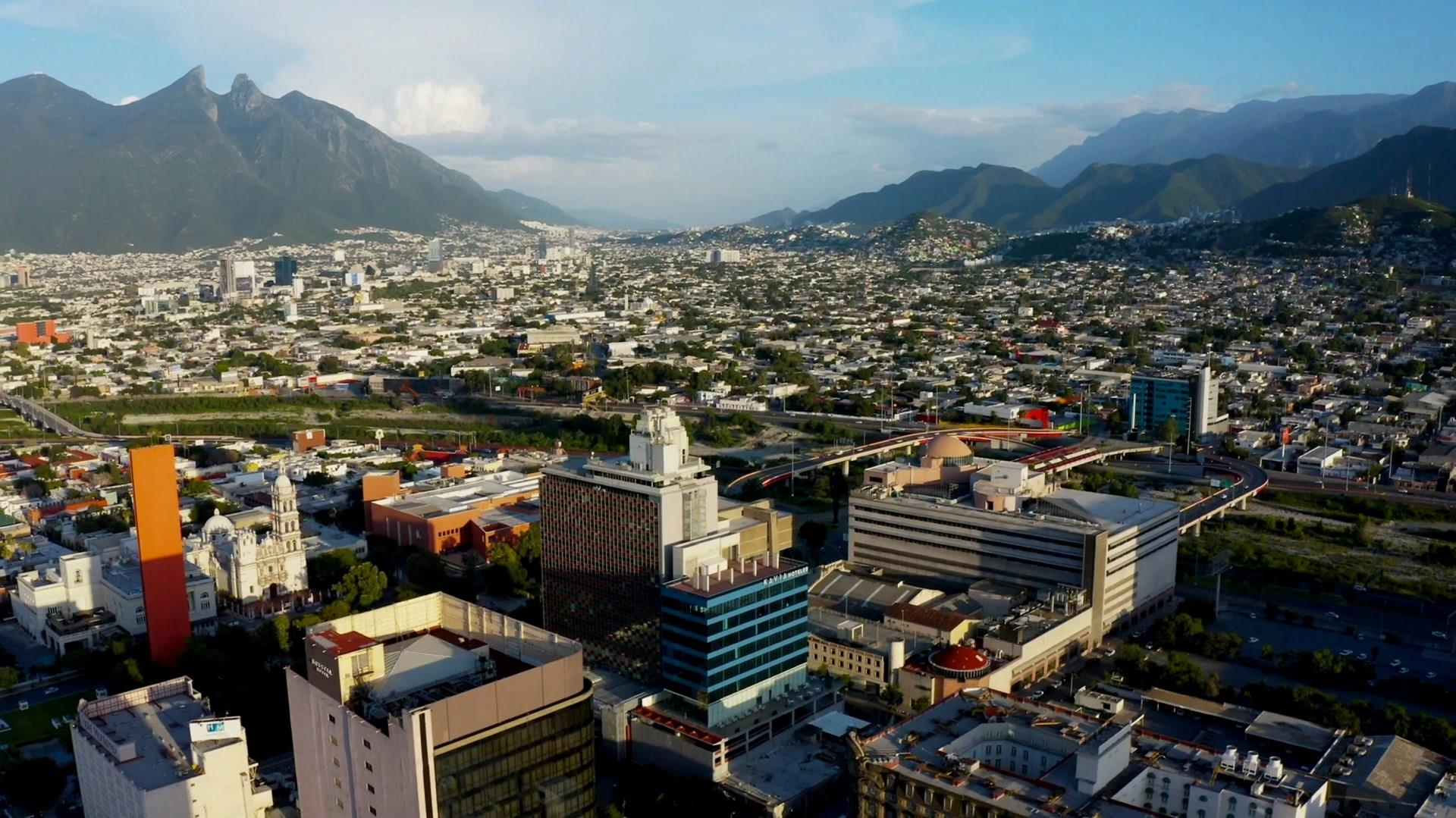
Monterrey
Monterrey, the capital of Nuevo León, stands at the foot of the Sierra Madre Oriental and has long been recognized as one of Mexico’s most industrial and innovative cities. The Macroplaza is one of the largest public squares in Latin America and links historic buildings like the 18th-century Metropolitan Cathedral with newer sites like the Museo de Historia Mexicana and the Faro del Comercio, a towering orange structure that beams a green laser across the sky each night.
