
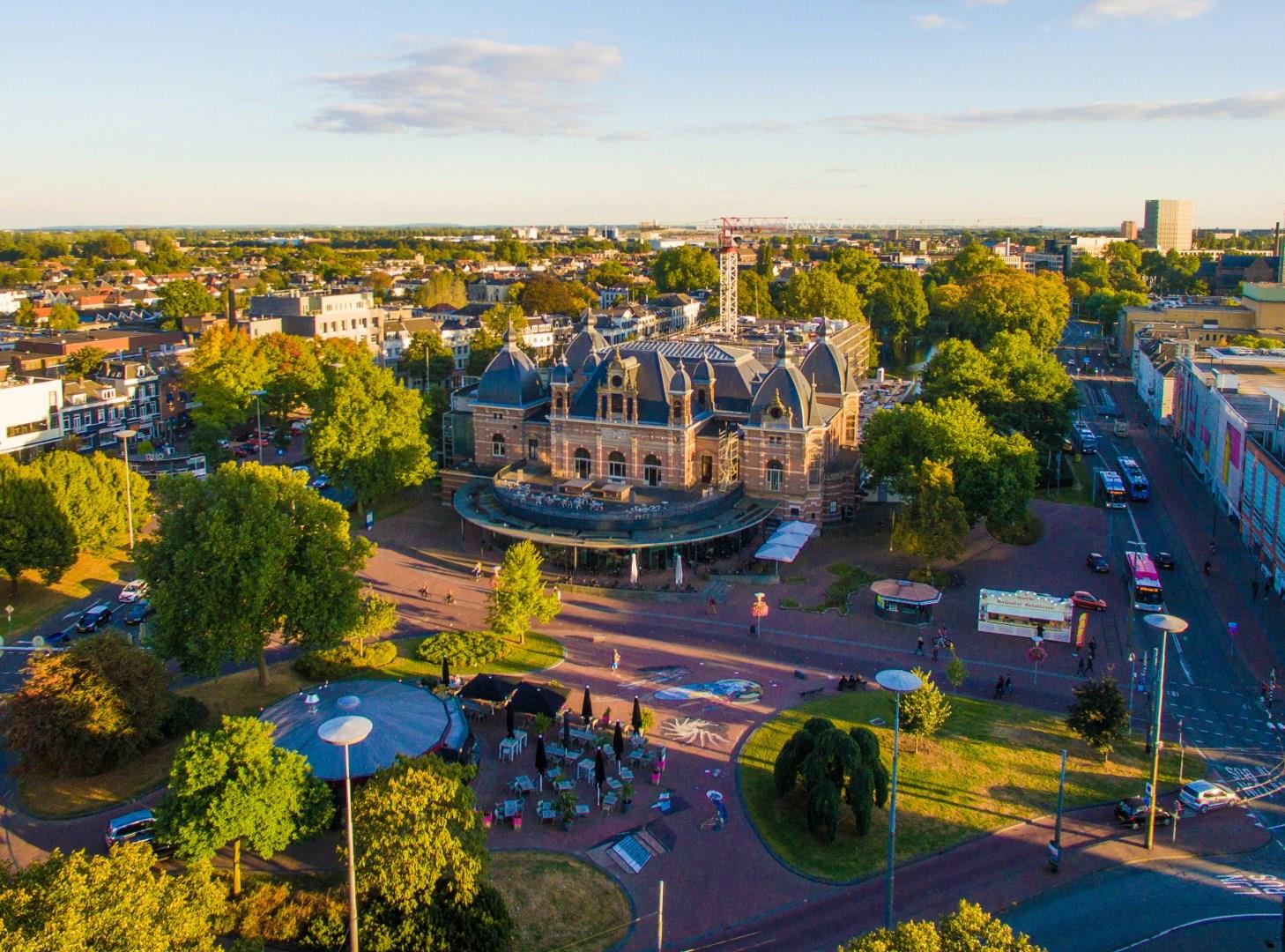
Arnhem
Arnhem has strong ties to Dutch fashion and design, thanks to ArtEZ University of the Arts. Graduates from its fashion department have gone on to international acclaim, and their influence is visible in boutiques and creative spaces throughout the Modekwartier (Fashion Quarter). This district features workshops, studios, and cafes where visitors can meet designers and even purchase one-of-a-kind pieces made on-site.
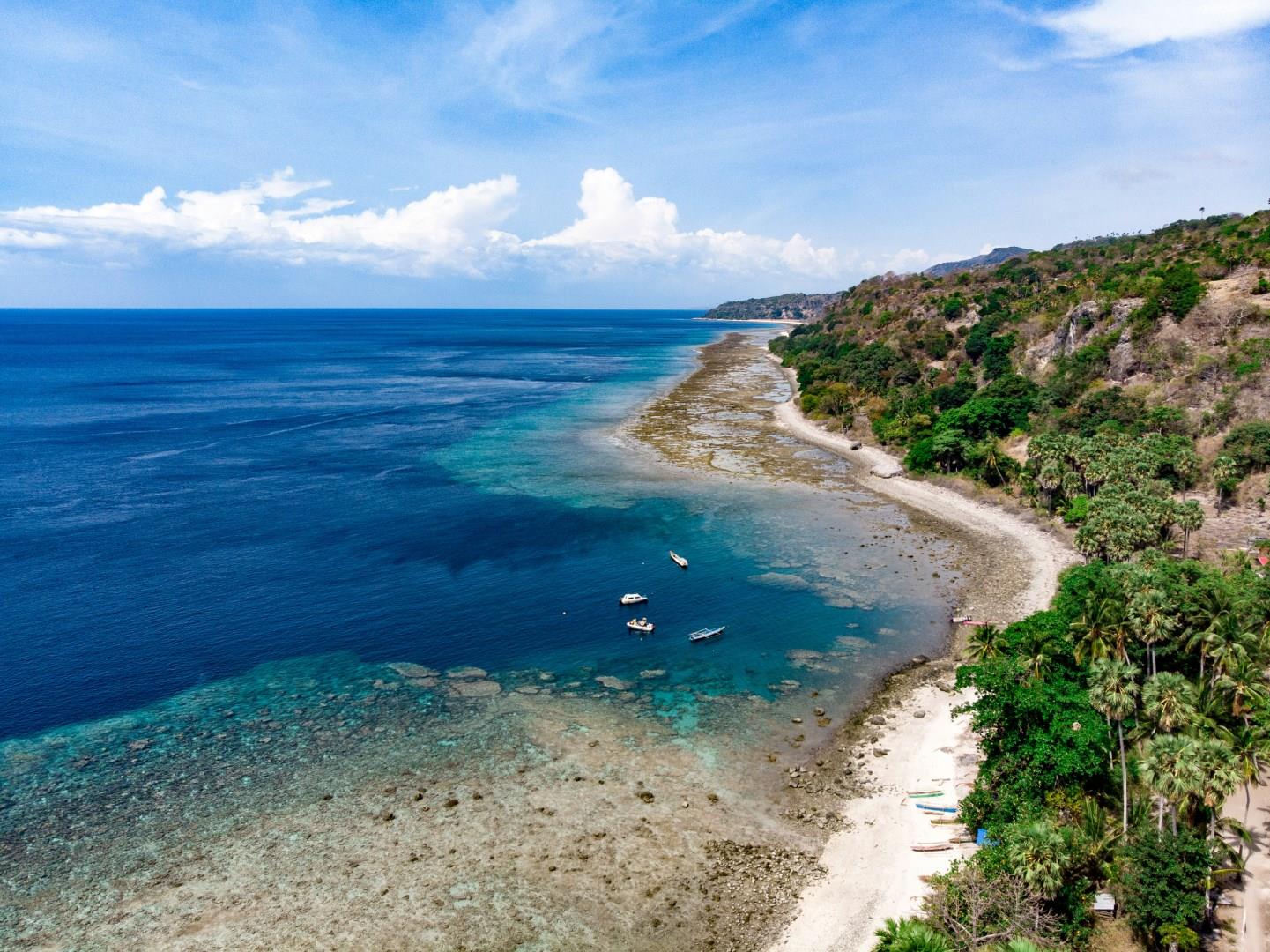
Adara
Adara is a small, remote village on Atauro Island in Timor-Leste, known for its quiet charm and deep connection to the sea. Nestled between steep mountain slopes and the turquoise waters of the Wetar Strait, the community lives largely from fishing and small-scale agriculture.
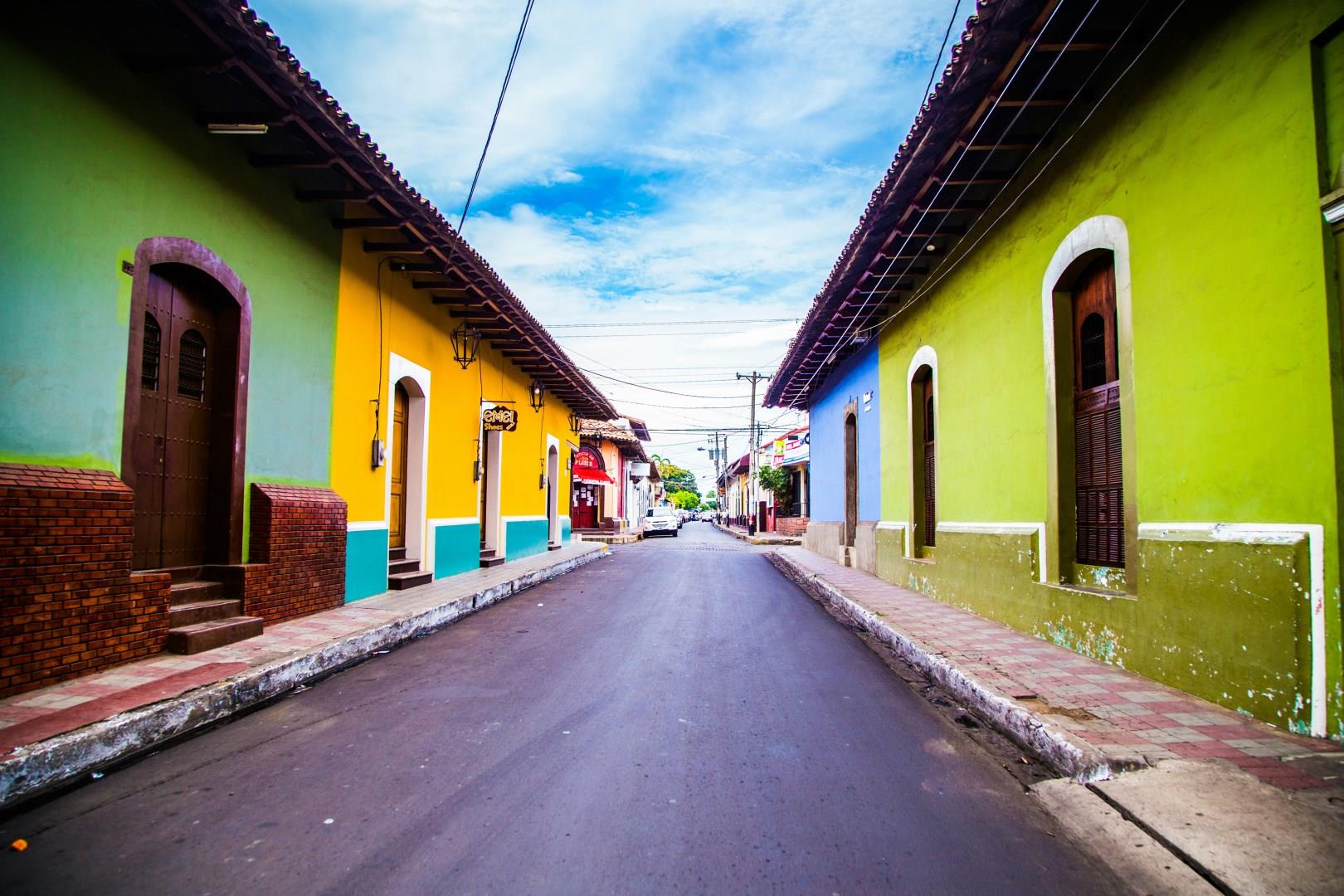
Leon
León, Nicaragua serves as the country’s capital for more than two centuries and still feels like the intellectual and political heart of Nicaragua. The city is known for its revolutionary past, visible in murals that stretch across building walls, telling stories of resistance, poets, and everyday citizens. The Cathedral of León, the largest in Central America and a UNESCO World Heritage Site, dominates the central square.

Quintana Roo
Quintana Roo, nestled on the Caribbean coast of Mexico’s Yucatán Peninsula, is a paradise that seamlessly blends ancient history with modern luxury. The state is perhaps best known for its glittering beaches and turquoise waters, epitomized by destinations like Cancún and Playa del Carmen.
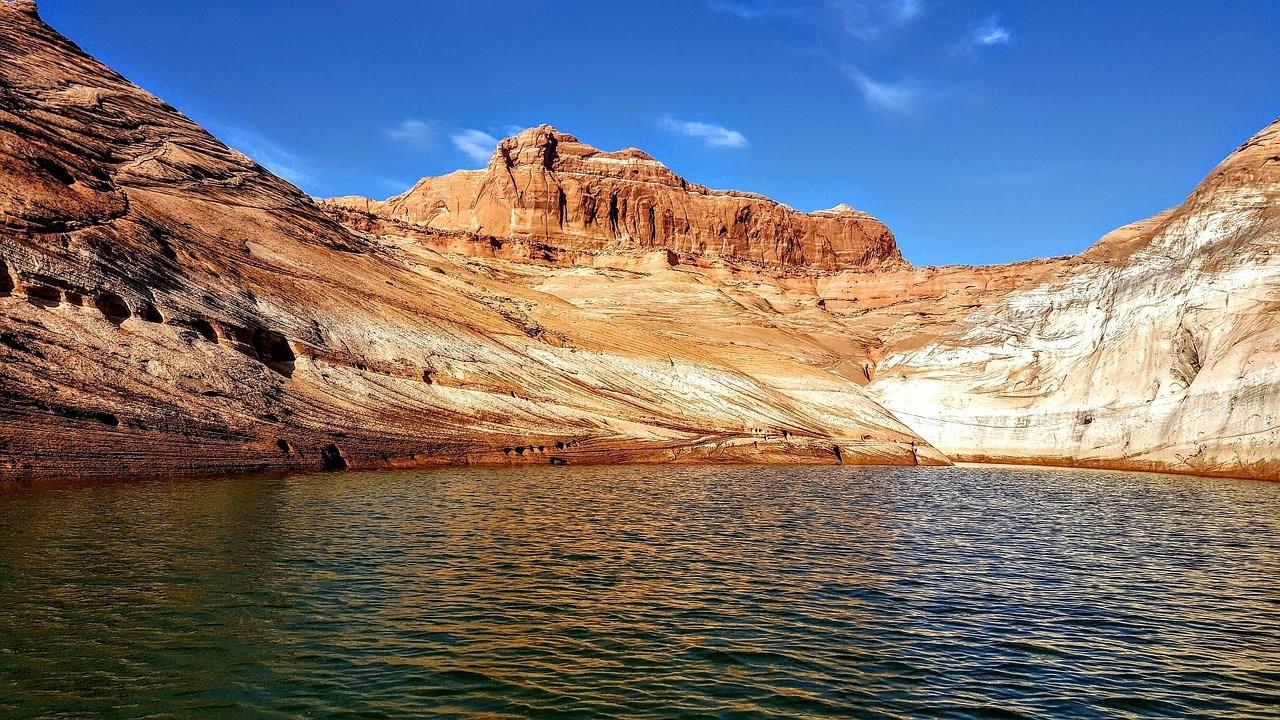
Lake Powell
Lake Powell, stretching across the Utah-Arizona border, is one of the largest manmade reservoirs in the United States. Formed by the flooding of Glen Canyon after the completion of the Glen Canyon Dam in 1963, it covers over 180 miles in length and contains nearly 2,000 miles of shoreline, more than the entire West Coast of the U.S. Despite its modern origins, the area has long been home to the Ancestral Puebloans and later Navajo communities.
