

Djerba
Djerba, an island off the southern coast of Tunisia, is known for its unique blend of Mediterranean charm and North African traditions. With its whitewashed villages, sandy beaches, and palm groves, the island has long been a place where cultures and histories intersect.
Taipei
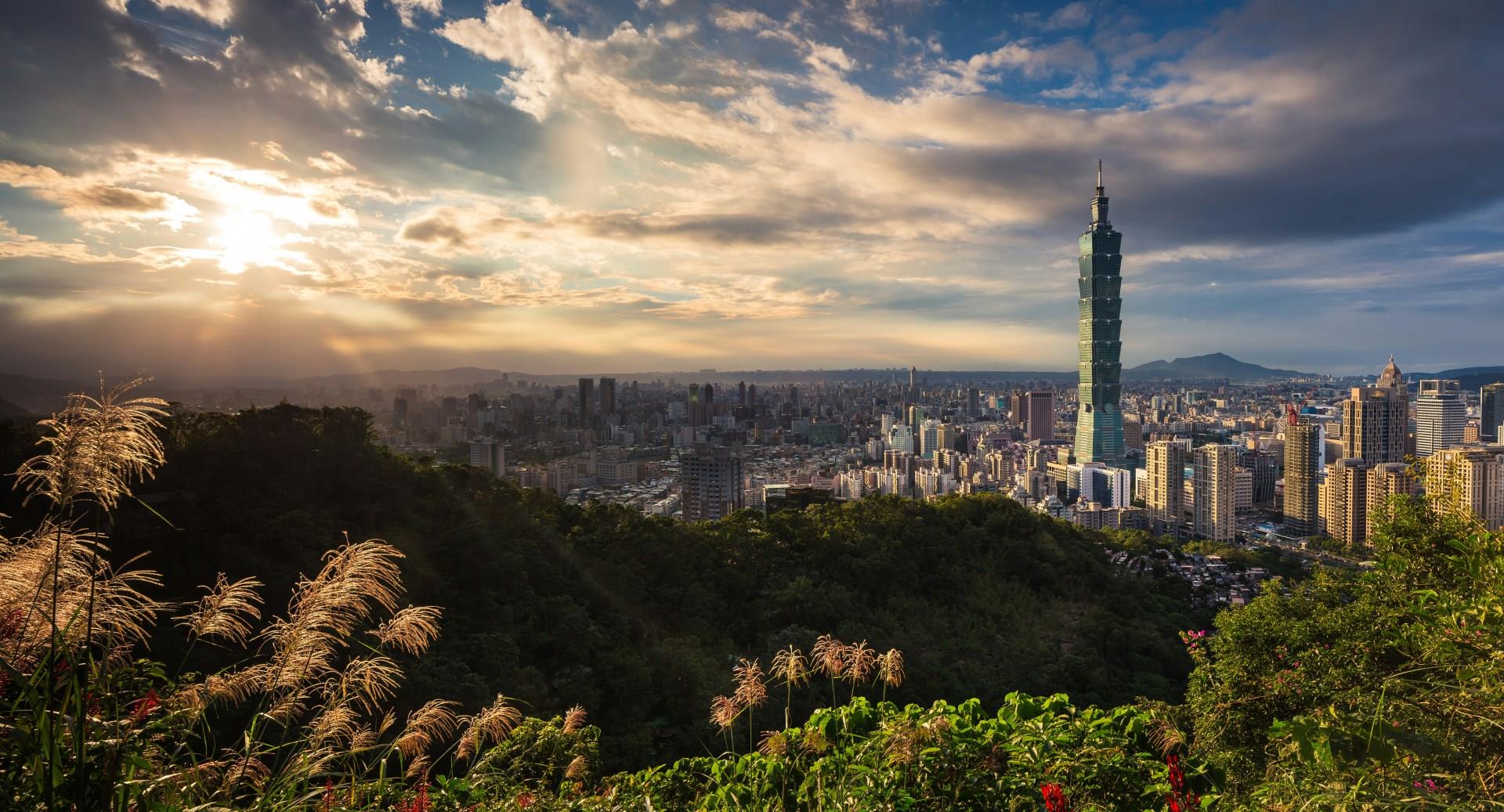
Taipei, the vibrant capital of Taiwan, is a city where tradition and modernity coexist. Visitors can explore historic temples such as Longshan Temple, discover cultural treasures at the National Palace Museum, and admire the cityscape from Taipei 101, one of the world’s tallest skyscrapers.

Ilok
Ilok, the easternmost town in Croatia on the Danube River, may be small but it has a lot to offer. A well-preserved Franciscan monastery and a 15th century castle make it a popular day trip for domestic as well as foreign tourists. Its wine-making tradition is even older; some say the region's viniculture dates back as early as 280 AD.
Monterrey
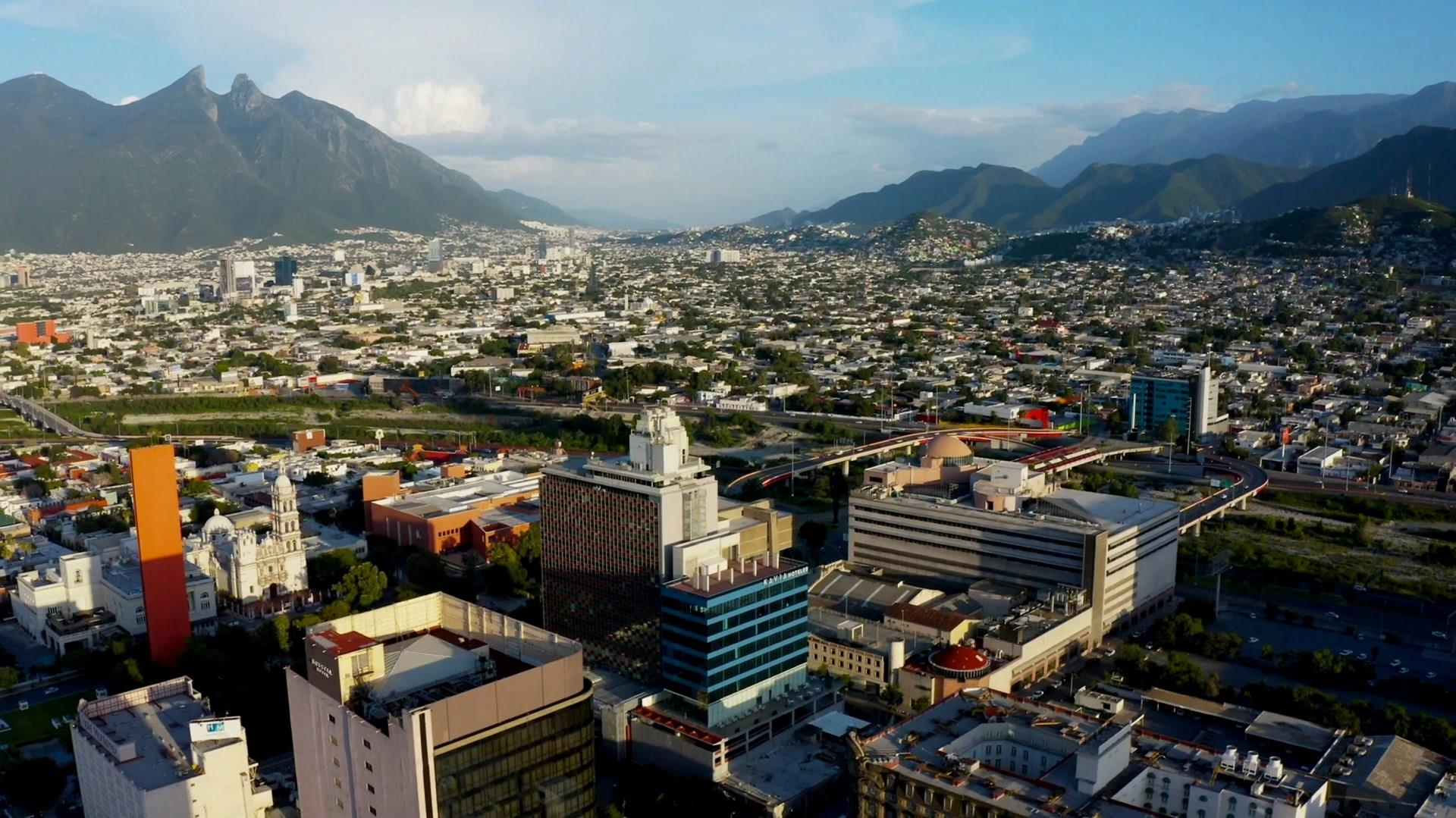
Monterrey, the capital of Nuevo León, stands at the foot of the Sierra Madre Oriental and has long been recognized as one of Mexico’s most industrial and innovative cities. The Macroplaza is one of the largest public squares in Latin America and links historic buildings like the 18th-century Metropolitan Cathedral with newer sites like the Museo de Historia Mexicana and the Faro del Comercio, a towering orange structure that beams a green laser across the sky each night.

Monkey Mia
Monkey Mia, located within the Shark Bay World Heritage Area on the western coast of Australia, is a serene paradise known for its world-famous wild dolphin encounters. This remote coastal gem, surrounded by the turquoise waters of the Indian Ocean, invites visitors to experience up-close interactions with bottlenose dolphins in their natural habitat. For over 50 years, these dolphins have made daily visits to Monkey Mia’s shores, creating a unique tradition that brings awe to travelers.
