

Kalambaka
Nestled in the heart of Greece's Thessaly region, Kalabaka is a charming town renowned for its striking natural and historical attractions. Most famous for its proximity to the Meteora rock formation, Kalabaka offers a unique blend of geological marvel and spiritual history.
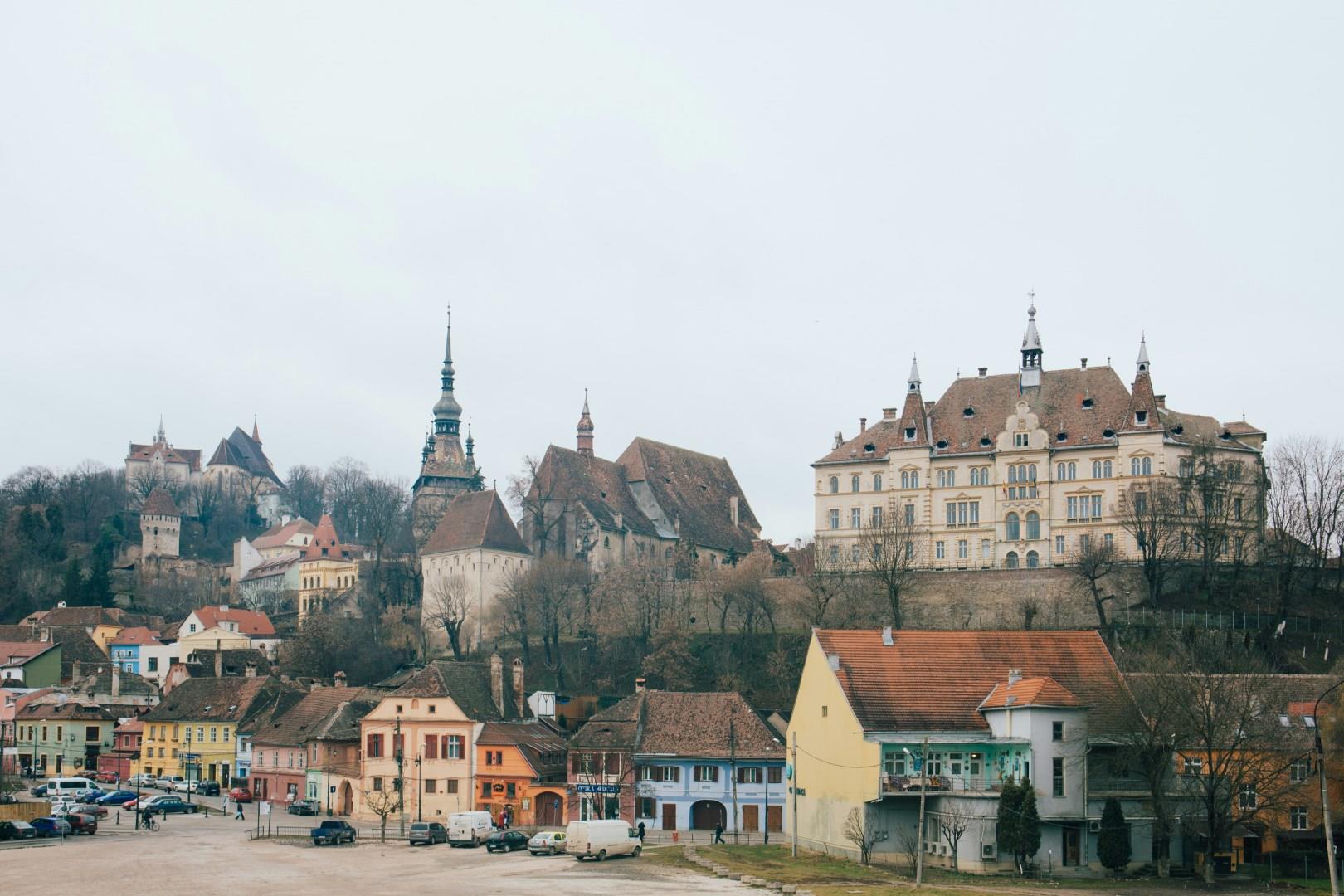
Sighisoara
Sighisoara rises above the Târnava Mare River as one of the few medieval citadels in Europe that is still lived in and admired today. Its historic center has been on the UNESCO World Heritage List since 1999, recognized for its long history as a fortified Saxon settlement and its role in trade and defense on the edges of central Europe. Wander through cobbled alleys framed by pastel-colored houses, and the layers of time feel close at hand, from the city walls and guild towers to busy cafés.
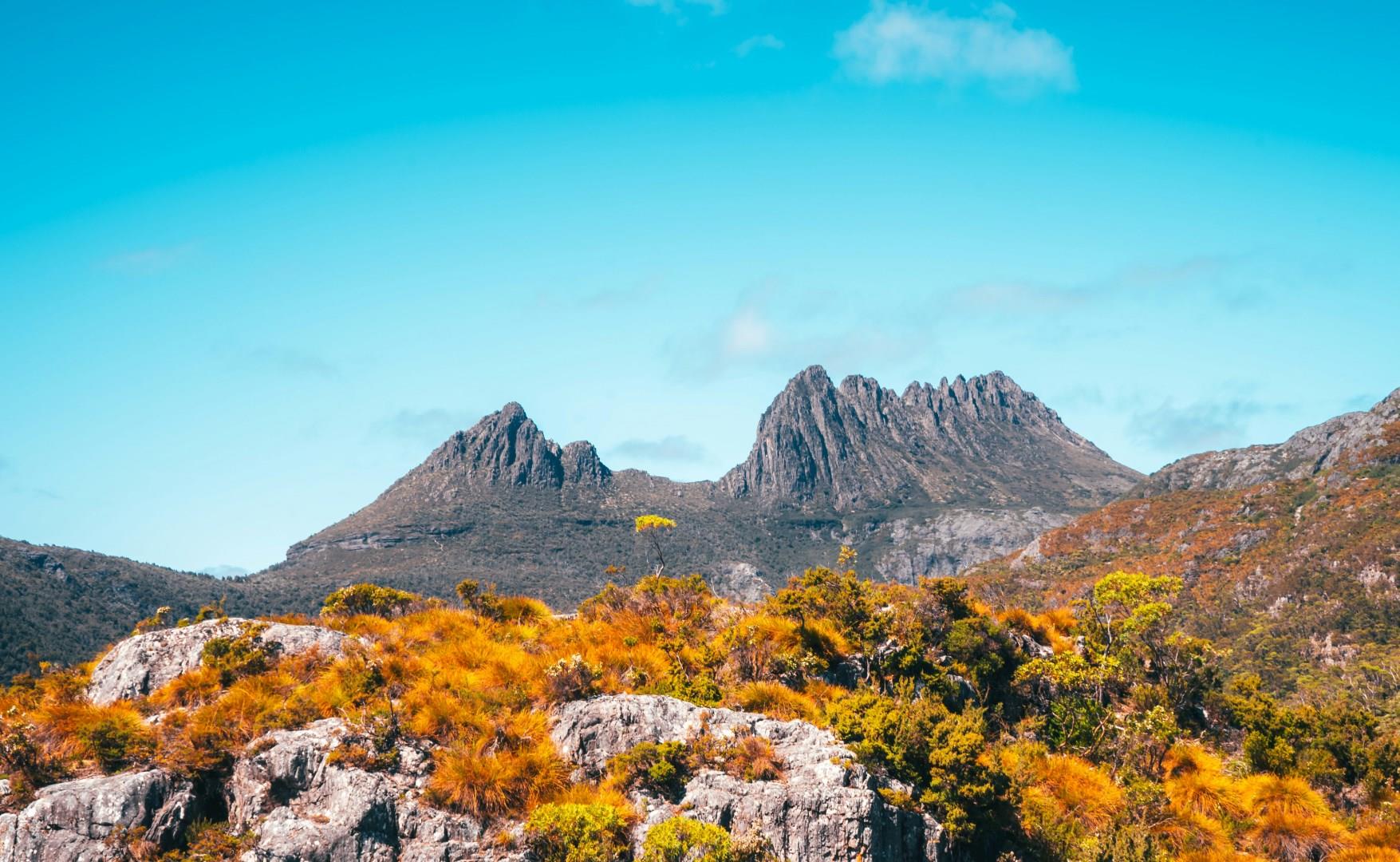
Cradle Mountain Tasmania
Cradle Mountain, located within the Tasmanian Wilderness World Heritage Area, is one of Australia's most distinctive landscapes. Towering over Dove Lake, the craggy peak rises to 1,545 meters and is often dusted with snow, even in spring. The mountain and surrounding area are part of Cradle Mountain–Lake St Clair National Park, which was established in 1922 and has since become a cornerstone of Tasmania’s protected wildlands.

Bequia
Bequia, the largest of the Grenadines, is a hidden gem in the Caribbean Sea that captivates visitors with its unspoiled beauty and warm, welcoming atmosphere. Often described as the "island in the clouds," Bequia (pronounced "Bek-way") offers a tranquil escape where turquoise waters meet lush green hills. The island's charm lies in its simplicity—no sprawling resorts or crowded beaches, just a peaceful haven where time seems to stand still.

Costa Maya
This small cruise port is located in Mexico's Yucatan peninsula south of Playa del Carmen, near Belize. It is famous for Chacchoben, a breathtaking set of Mayan ruins. The port has a new and modern shopping mall and the central plaza has saltwater pools and 'swim-up' style bars for tourists to enjoy.
