

Maine
Maine, known as the Pine Tree State, offers a captivating blend of natural beauty, maritime heritage, and charming small towns. Start your exploration in Acadia National Park, a haven for outdoor enthusiasts.

Singapore
Singapore, a sovereign city-state in Southeast Asia, is known for its blend of modern innovation, cultural diversity, and green urban planning. Its skyline features striking architecture such as Marina Bay Sands and the Supertree Grove at Gardens by the Bay, while its neighborhoods highlight cultural influences from Chinese, Malay, Indian, and Peranakan heritage. The city is also celebrated for its efficiency, safety, and status as a global financial hub.

Port Elizabeth
Port Elizabeth, set along the beautiful shores of Algoa Bay, is located on the south eastern coast of Africa, and is a major tourist destination better known as the Friendly City! The city offers the best mix of eco-attractions as a holiday destination with a rich diversity: scenic nature trails and wildlife experiences, long golden beaches, historic heritage and a unique coastal climate.
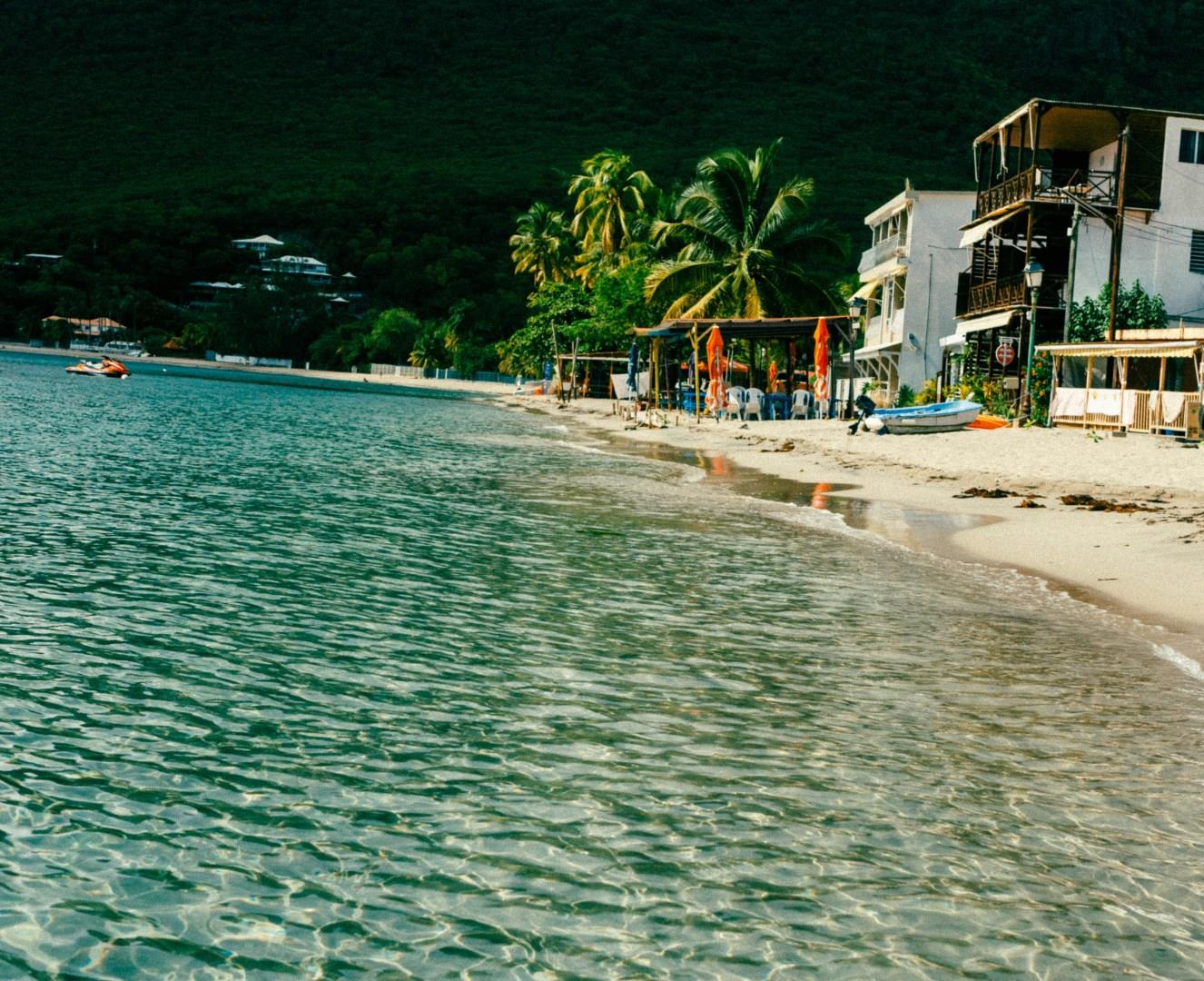
Les Anses-d'Arlet
Les Anses-d’Arlet, a charming fishing village on Martinique’s southern coast, is known for its picture-perfect blend of Caribbean warmth and local tradition. Its centerpiece is a white-sand beach backed by brightly painted houses and the landmark Church of St. Henry, whose steeple aligns beautifully with the sea when viewed from the pier.

Keauhou, Hawaii
Keauhou, located on the Kona Coast of Hawai‘i Island, is recognized as the birthplace of King Kamehameha III, and many nearby sites still reflect its royal past.
