

Glasgow
Picturesque Glasgow will instantly charm you with its collection of stunning architecture, historic landmarks, and trendy restaurants and bars. Scotland’s vibrant and eclectic cultural center, Glasgow is an essential destination for travelers to the United Kingdom.

Aix-en-Provence
Nestled in the heart of Provence, Aix-en-Provence is a city that enchants with its blend of historical charm and vibrant modernity. Founded by the Romans in 123 BC, Aix-en-Provence, often simply called Aix, is renowned for its stunning architecture and rich cultural heritage.

Slovakia
Slovakia is a country shaped by mountains, castles, and centuries of shifting borders. Tucked in the heart of Europe, it offers visitors a chance to explore medieval towns, alpine peaks, and deep-rooted traditions still practiced in daily life. Bratislava, the capital, sits along the Danube River and is one of the few national capitals that borders Austria and Hungary.

Seville
Must-sees in Seville include the landmark palace Royal Alcázar of Seville, the Gothic, bell-towered Catedral de Sevilla, and Plaza de España, an architectural marvel with Moorish, Baroque and Renaissance influences. Meanwhile, Museo del Baile Flamenco is the place to learn about flamenco dancing culture.
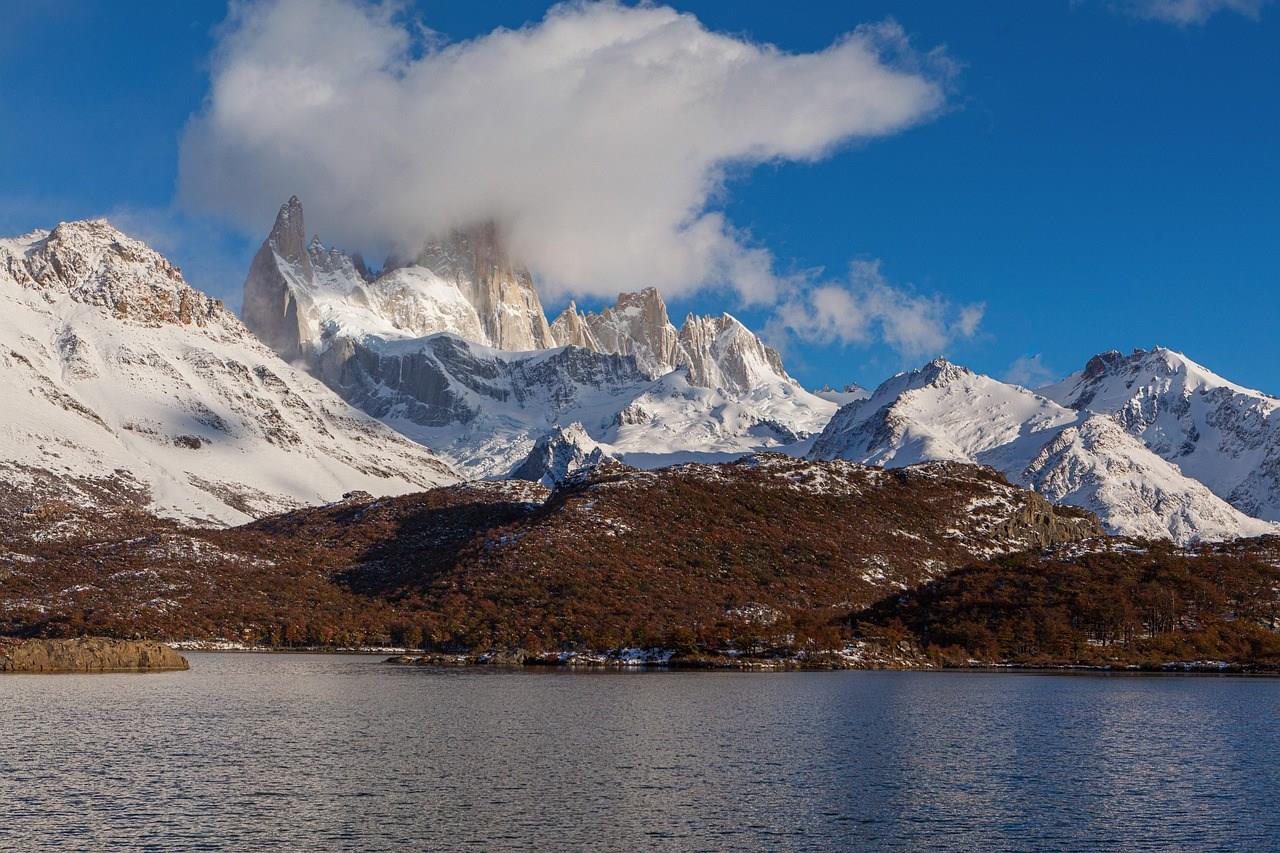
El Chaltén
El Chaltén sits at the edge of Los Glaciares National Park in Argentina’s Patagonia region, framed by the iconic peaks of Cerro Fitz Roy and Cerro Torre. Its remote location beside the Río de las Vueltas makes it a gateway to dramatic landscapes of granite spires, glacial streams and wide steppe plains.
