

Arles
Nestled between two nature parks and the Rhône River, picturesque Arles will absolutely delight any traveler to the south of France. Situated near Marseille in the Provence-Alpes-Côte d’Azur region, Arles boasts small town charm and its architectural treasures have been heavily influenced by the city’s role as an ancient Roman capital.

Dominica
Dominica, known as the “Nature Island of the Caribbean,” is a haven for eco-tourists and adventure seekers. Nestled between the French islands of Guadeloupe and Martinique, this lush island boasts a remarkable landscape of volcanic mountains, dense rainforests, and stunning waterfalls. Dominica’s most iconic natural wonder is the Boiling Lake, the second-largest hot spring in the world.

Korčula
Korčula, a jewel in Croatia's Adriatic Sea, invites visitors to immerse themselves in its rich history and stunning natural beauty. Often referred to as "Little Dubrovnik," the city boasts well-preserved medieval architecture, narrow cobblestone streets, and a fortified old town encircled by ancient walls.

Abel Tasman National Park
Abel Tasman National Park, located at the northern tip of New Zealand's South Island, is a paradise for nature lovers and outdoor enthusiasts. Renowned for its golden beaches, lush forests, and crystal-clear waters, the park offers an array of activities, from hiking to kayaking. The Abel Tasman Coastal Track, one of New Zealand's Great Walks, stretches over 60 kilometers and provides breathtaking views of the coastline, making it a must-do for visitors.
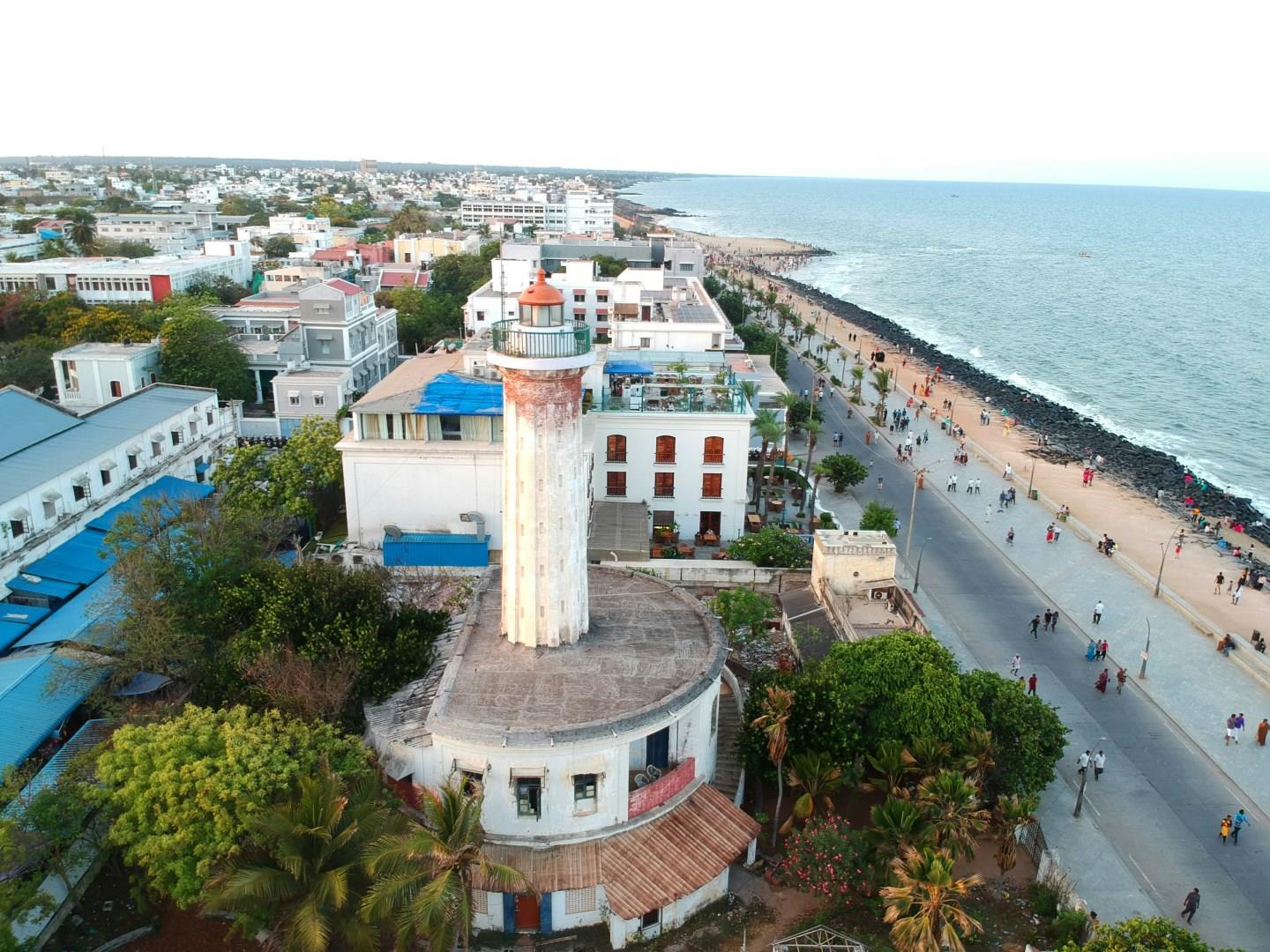
Pondicherry
Pondicherry is a coastal town in southern India that still carries traces of its French colonial past. The French Quarter, or White Town, is filled with mustard-yellow buildings, iron-laced balconies, and streets with French names. Visitors can explore this area on foot or by bicycle, stopping at spots like the 18th-century Eglise de Notre Dame des Anges, built in Greco-Roman style, or the French Consulate, which continues to operate from a colonial-era building.
