

La Gomera
La Gomera, one of the Canary Islands, offers a unique and captivating escape with its lush landscapes and rich cultural heritage. Known for its dramatic terrain, the island is a haven for nature enthusiasts and hikers. The Garajonay National Park, a UNESCO World Heritage site, is the crown jewel of La Gomera, featuring dense laurel forests that date back to the Tertiary period.

Phnom Penh
Phnom Penh, the capital of Cambodia, is a city where history, culture, and riverside life intersect. Situated at the confluence of the Mekong and Tonle Sap rivers, the city has a lively riverfront that serves as both a social gathering place and a hub for commerce.

Castries
Castries, St. Lucia's capital and a busy port city, is an idyllic Caribbean wonderland. Tourists will find craft and fruit markets, photo-ready murals and a general cozy charm here. One must-do activity is getting to the top Morne Fortune (Hill of Good Luck) to drink in the lovely panoramic views. Be sure to visit the museum at Derek Walcott Square, and soak up the sun on Vigie Beach!
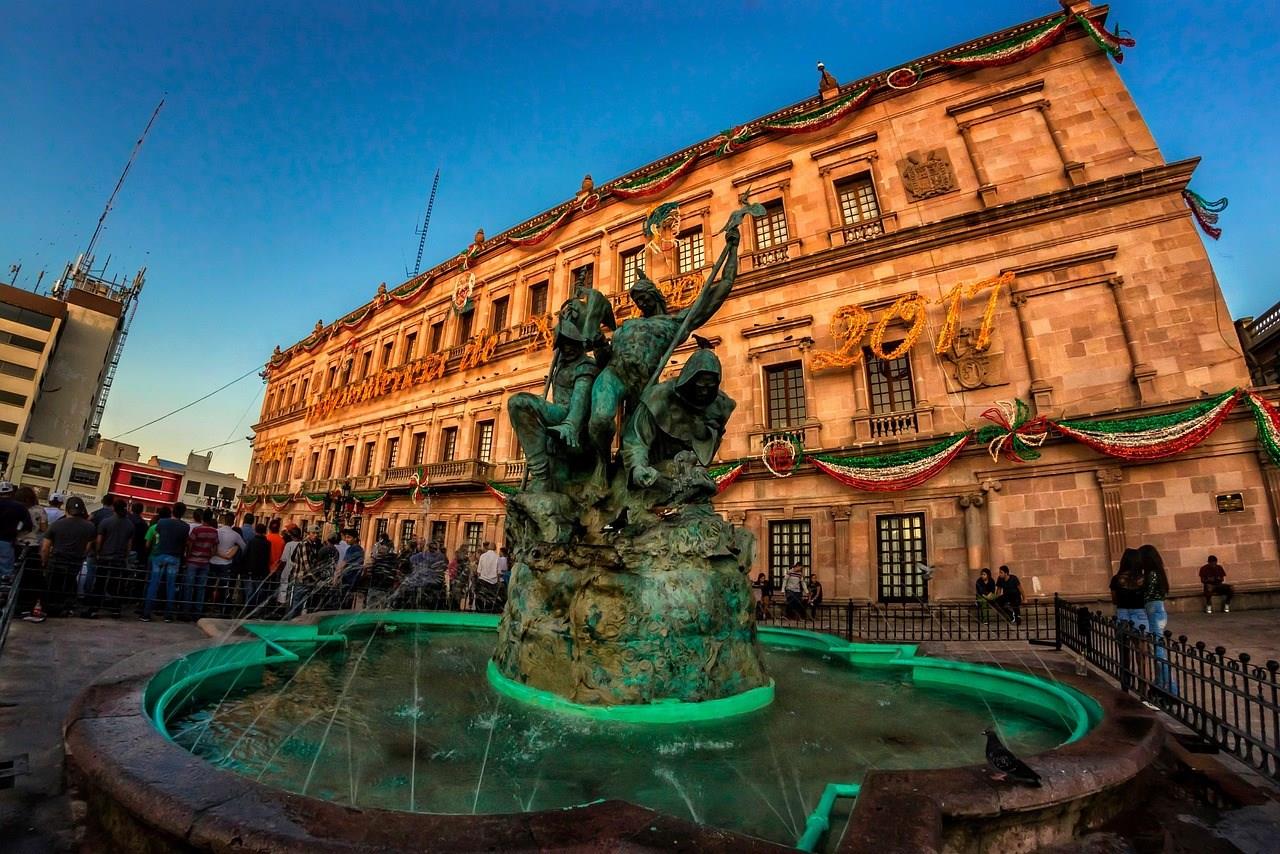
Saltillo
Saltillo, the capital of Coahuila, blends centuries of tradition with a quiet confidence that rewards travelers looking for something different. Founded in 1577, the city’s colonial heritage is on full display in its well-preserved downtown, where the Catedral de Santiago towers above Plaza de Armas. Just steps away, the Alameda Zaragoza park offers shaded paths and fountains, providing a peaceful break between stops at nearby museums.

Gdansk
Gdańsk, a vibrant port city on Poland's Baltic coast, is a hidden gem that seamlessly blends rich history with modern charm. As the largest city in northern Poland, Gdańsk has a unique identity shaped by centuries of trade, political turmoil, and cultural exchange. The city's Old Town is a feast for the eyes, with its beautifully reconstructed buildings that harken back to its Hanseatic glory days.
