

Georgetown
Georgetown, the vibrant capital of the Cayman Islands, offers an alluring blend of Caribbean charm and modern sophistication. As the bustling heart of the Grand Caymans, it is renowned for its picturesque harbor, duty-free shopping, and a rich tapestry of cultural experiences.
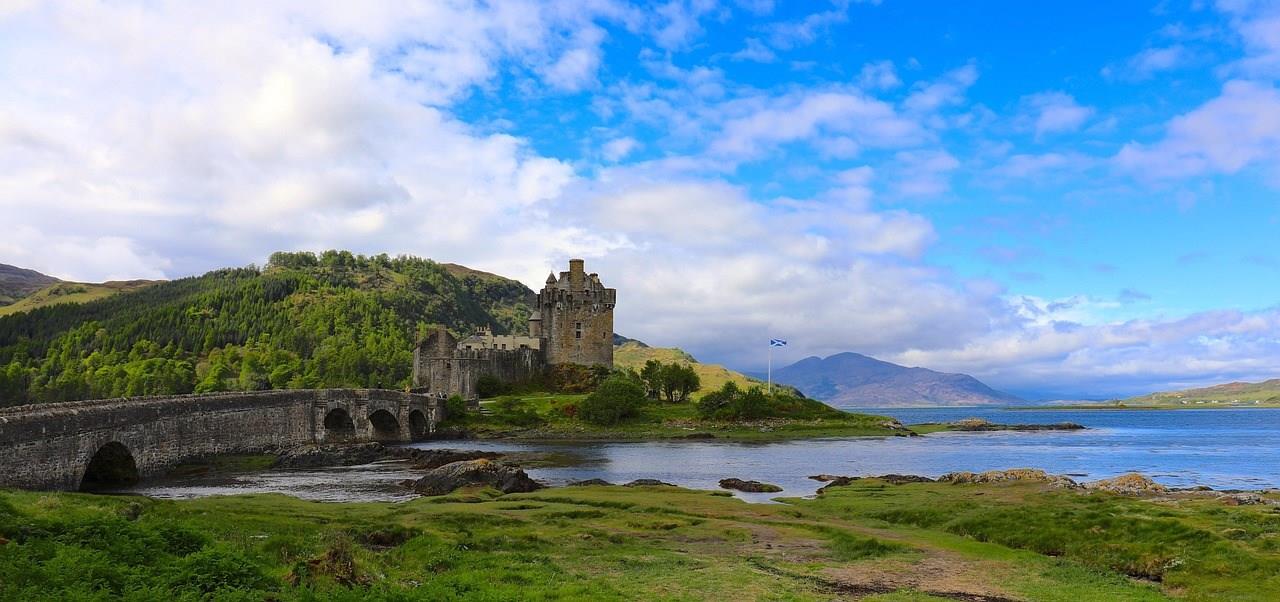
Kyle of Lochalsh
Kyle of Lochalsh, located on the west coast of the Scottish Highlands, serves as a gateway to the Isle of Skye via the Skye Bridge, but the village itself deserves more than a passing glance. Once the terminus of the Highland Railway, the town still welcomes visitors by train on one of the UK’s most scenic routes. The line from Inverness to Kyle passes through remote glens, past lochs and mountain ranges, ending just steps from the waterfront.
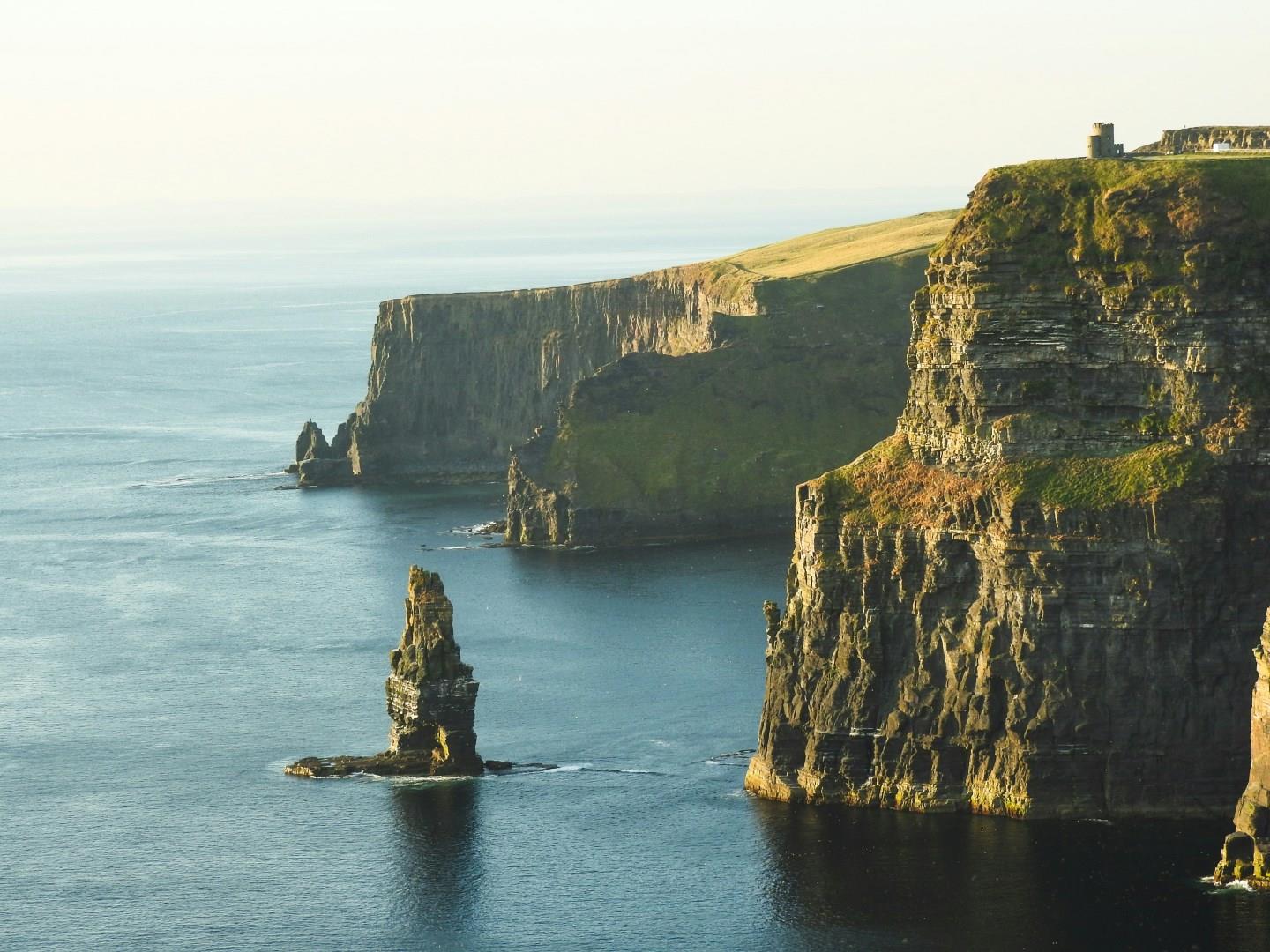
Cliffs of Moher
The Cliffs of Moher rise dramatically from the Atlantic Ocean, stretching for about 8 kilometers along Ireland’s western coast in County Clare. At their highest point near O'Brien's Tower, the cliffs reach 214 meters, offering uninterrupted views of the Aran Islands, Galway Bay, and the craggy peaks of Connemara on a clear day. These ancient sea cliffs have stood for over 300 million years and remain one of the most visited and photographed sites in Ireland.

Rousse
Rousse, Bulgaria, often referred to as "Little Vienna," sits gracefully on the banks of the Danube River. Known for its rich history, stunning architecture, and vibrant culture, Rousse offers a glimpse into Bulgaria's past while embracing the future. The city's central square, Svoboda (Freedom) Square, is a great starting point for exploring.
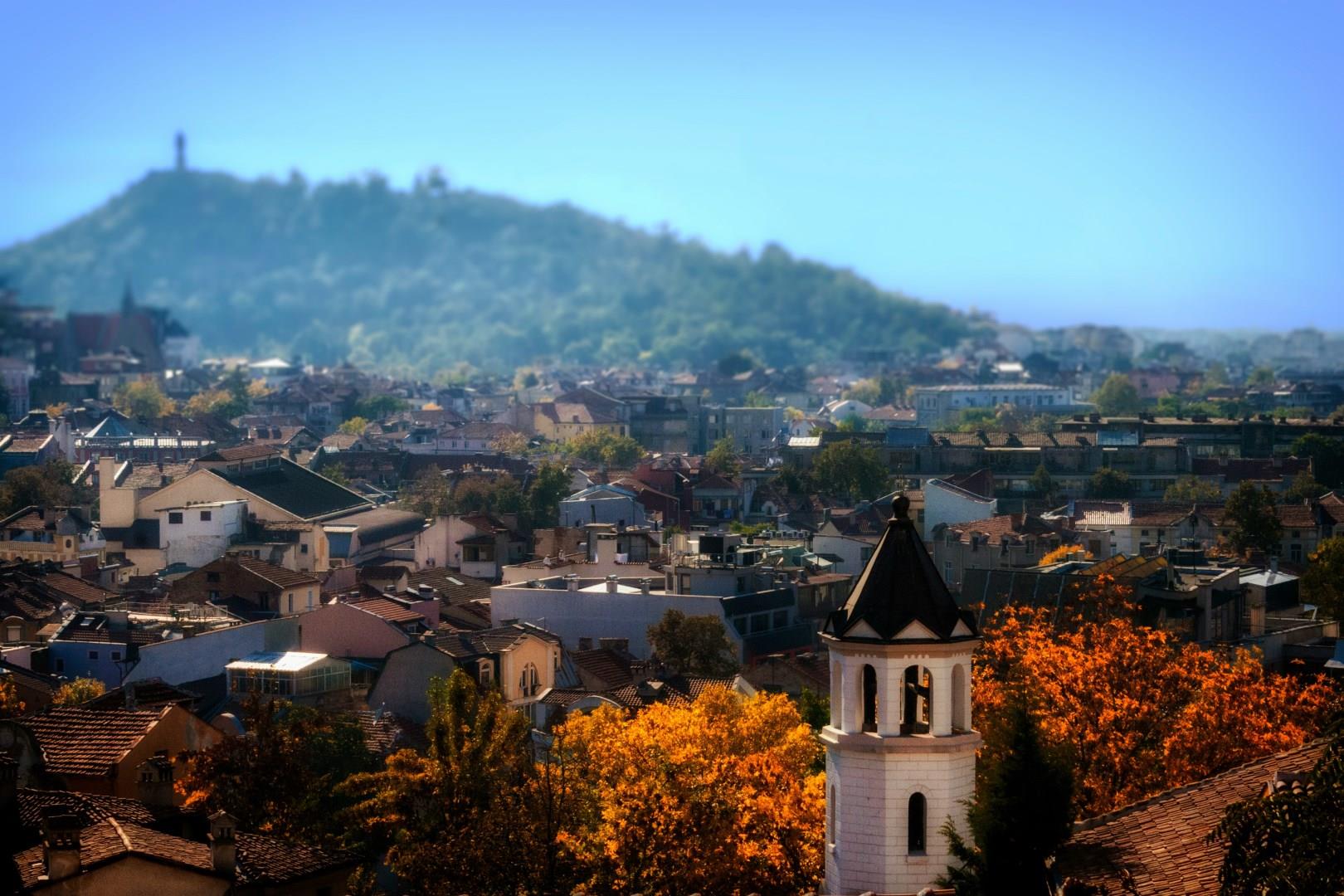
Plovdiv
Plovdiv, one of the oldest continuously inhabited cities in Europe, carries over 8,000 years of history layered into its streets. The Roman Theater, still in use today, was discovered by accident in the 1970s and now hosts operas and concerts overlooking the Rhodope Mountains. Nearby, visitors can walk the remains of a Roman stadium buried beneath the main pedestrian street, where modern shops and cafés stand above ancient foundations.
