
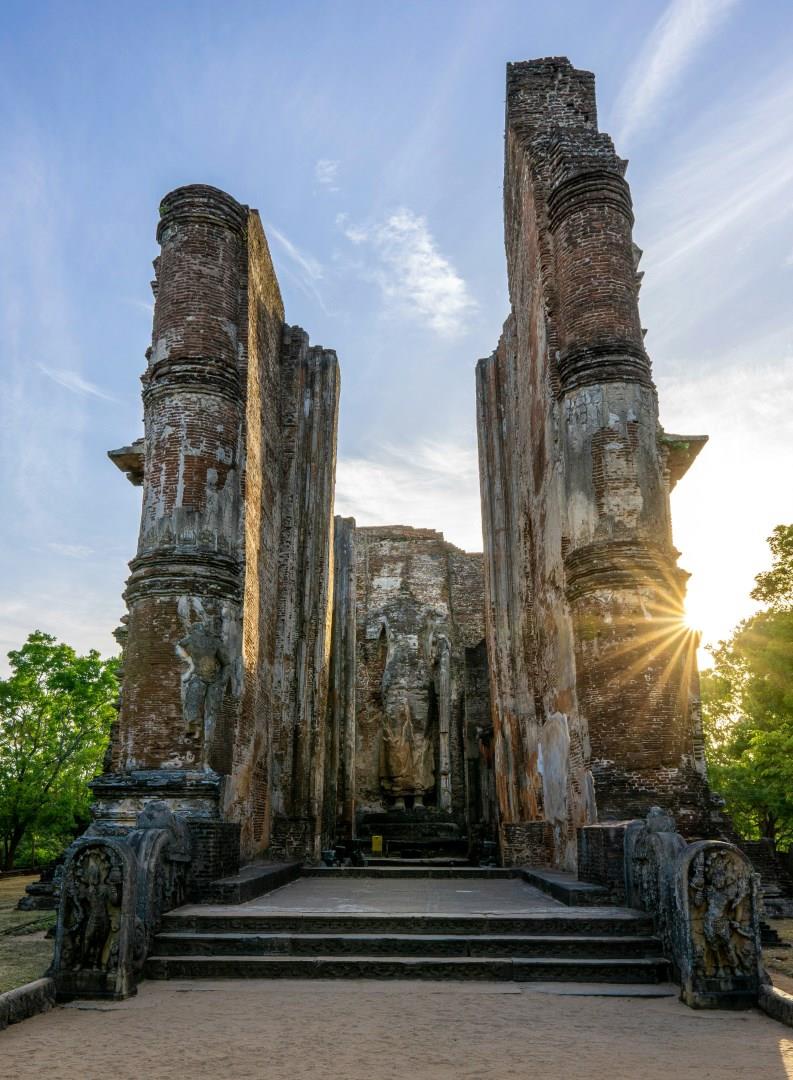
Polonnaruwa
Polonnaruwa, located in Sri Lanka’s North Central Province, served as the island’s capital nearly a thousand years ago. Today, it offers one of the most extensive and well-preserved archaeological sites in South Asia. Visitors can walk among the ruins of royal palaces, Buddhist monasteries, and intricately carved stone temples. One of the highlights of Polonnaruwa is the Gal Vihara, a group of colossal Buddha statues carved directly into granite.

Lucerne
Behold beautiful Lucerne! This German-speaking area of central Switzerland on Lake Lucerne is a truly spectacular locale. Surrounded by mountains and notable for its famous Chapel Bridge, this idyllic and musical Swiss locale is wonderful any time of year.
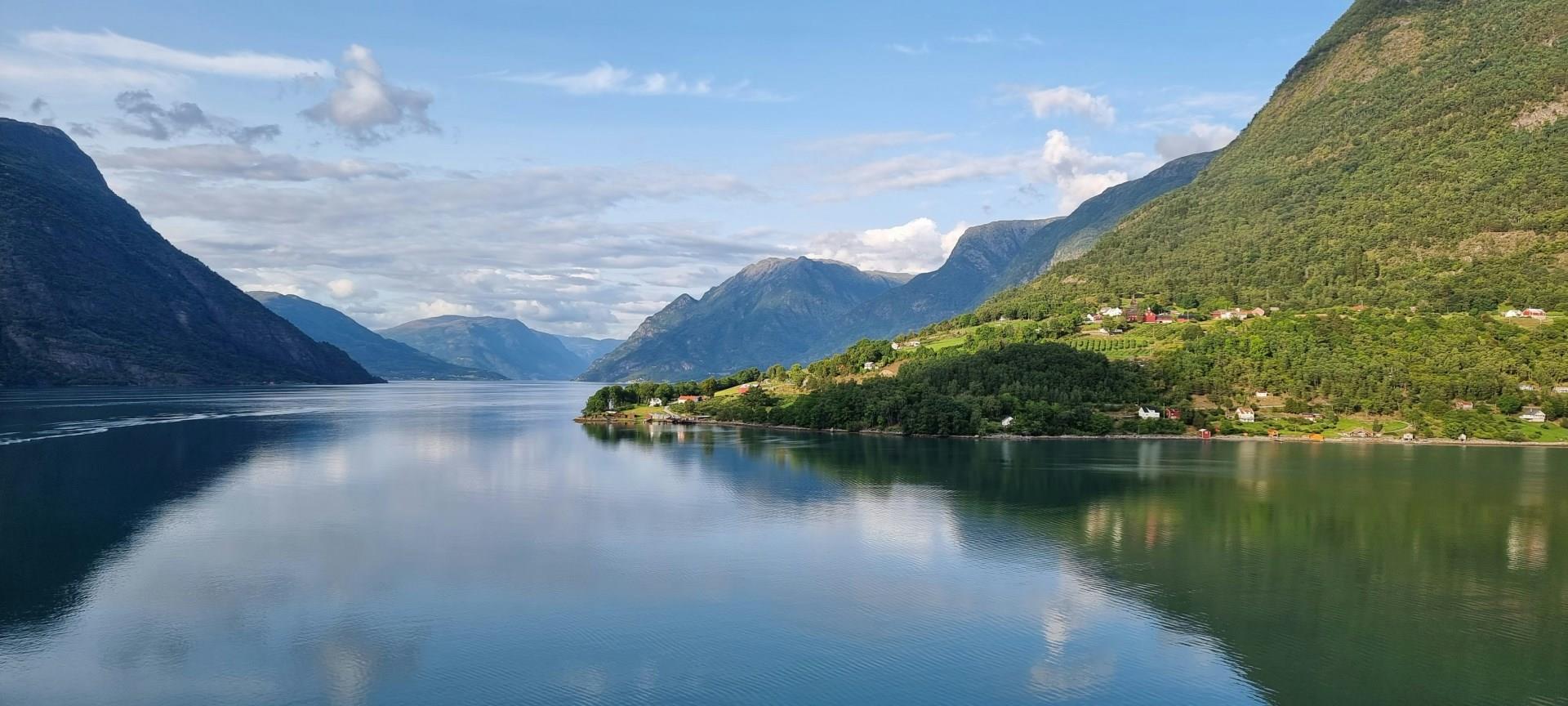
Skjolden
With its dramatic fjord setting, access to hiking trails, and cultural significance, Skjolden is a destination that showcases Norway’s wild beauty. Whether embarking on an outdoor adventure or simply enjoying the beautiful landscapes, visitors will find plenty to experience.

Cuenca
Nestled in the Andes Mountains, Cuenca, Ecuador, is a city that seamlessly blends colonial charm, cultural richness, and natural beauty. Known as the “Athens of Ecuador” due to its vibrant intellectual and cultural life, Cuenca's historic center is a UNESCO World Heritage Site that delights visitors with its cobblestone streets, whitewashed buildings, and red-tiled roofs.

Victoria
Victoria, the capital of Seychelles, is often described as one of the world’s smallest capitals, yet it brims with color and character. Located on Mahé Island, the city is both a cultural hub and a gateway to the surrounding beaches and mountains.
