
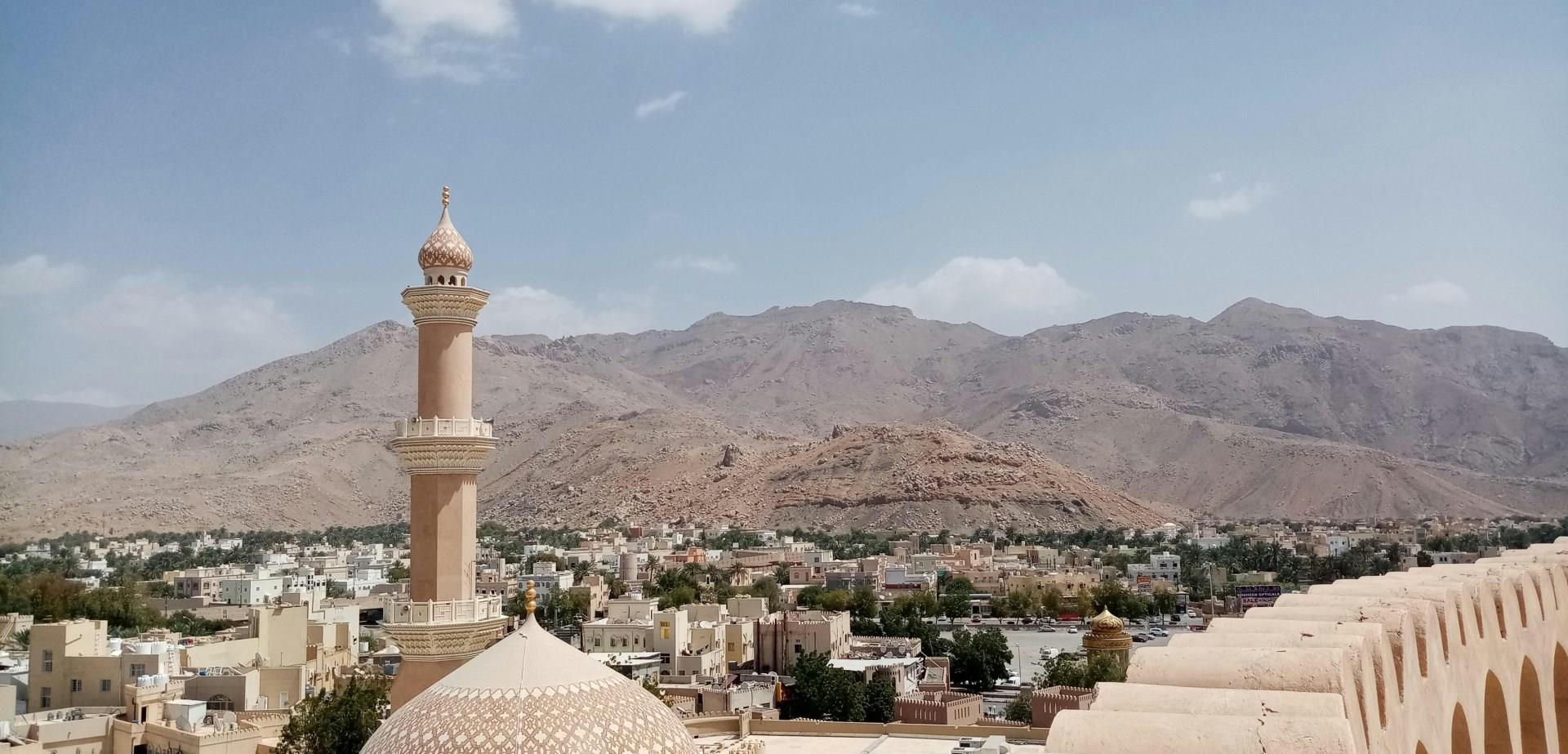
Nizwa
In the heart of Oman lies Nizwa, a city once considered the country’s capital and a hub of learning and trade. Its iconic round fort, built in the 17th century, remains one of Oman’s most visited landmarks.
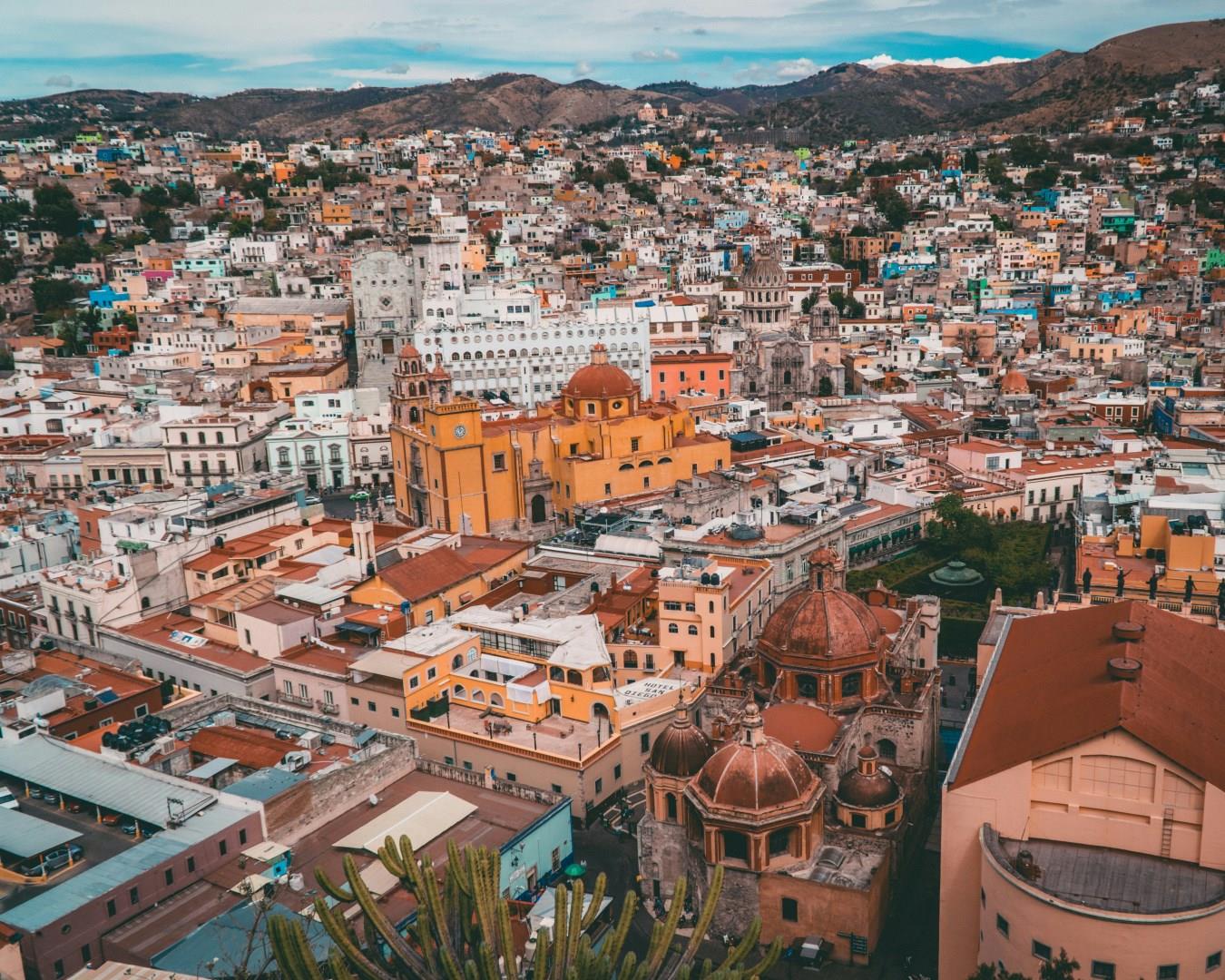
Guanajuato
Guanajuato, a UNESCO World Heritage City nestled in the mountains of central Mexico, is a place where history is built into every hillside alley and underground tunnel. Today, visitors can still tour La Valenciana Mine, where centuries-old tunnels and original mining equipment offer a glimpse into the city's wealth-driven past. The nearby Templo de San Cayetano, built by mine owners in the mid-1700s, is a stunning example of baroque design, lined with gilded altars and intricate woodwork.

Pamukkale
Pamukkale is a fairyland of dazzling white, petrified castles. It is a magical and spectacular natural site, unique in the world. Thermal spring waters laden with calcareous salts running off the plateau's edge, have created this fantastic formation of stalactites, cataracts and basins.

Děčín
Děčín, a picturesque city in the Czech Republic, is nestled on the banks of the Elbe River and surrounded by lush landscapes and dramatic rock formations. This charming destination is renowned for its rich history and stunning natural beauty. The centerpiece of Děčín’s architectural heritage is the Děčín Castle, which towers above the city and offers breathtaking views of the Elbe Valley.
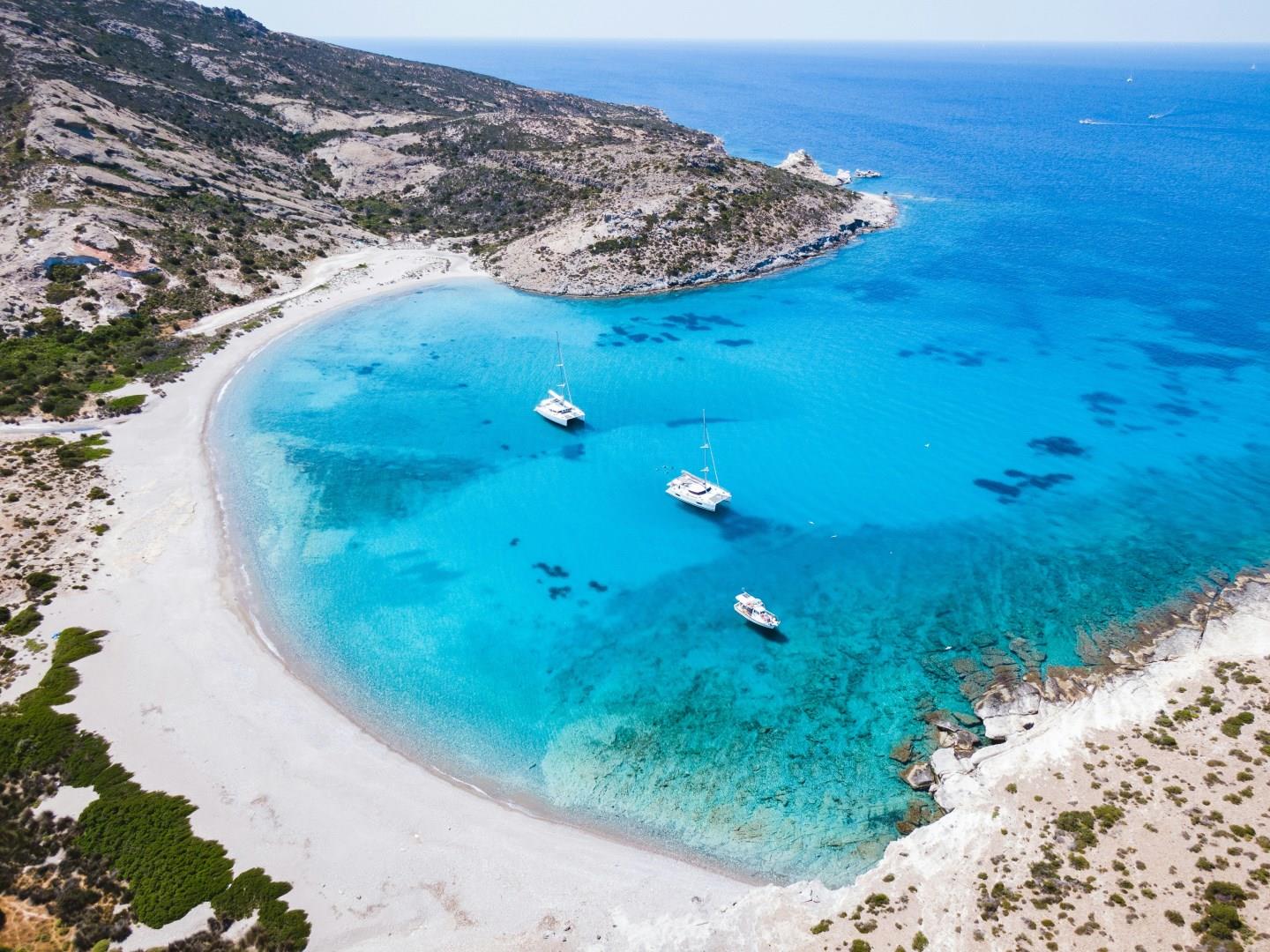
Milos
Milos is one of the most striking islands in the Aegean Sea, known for its otherworldly landscapes, turquoise coves, and centuries-old history. Shaped like a horseshoe, the island was formed by volcanic activity which left behind dramatic cliffs and hidden beaches carved from soft white rock. Visitors often find their first glimpse of Milos unforgettable, especially at Sarakiniko Beach where smooth, chalk-white formations contrast with the vivid blue water.
