

Chalon-Sur-Saone
Surrounded by picturesque vineyards and scenic riverbanks, Chalon-sur-Saône, located along the Saône River, is the perfect base to immerse oneself in the heart of Burgundy’s rich heritage and stunning landscapes. From exploring its charming Old Town with medieval landmarks like the St. Vincent Cathedral to discovering the history of photography at the Musée Nicéphore Niépce, the town offers a unique experience for every traveler.

Washington
Washington State offers travelers a dynamic mix of landscapes, cultures, and experiences shaped by volcanoes, forests, coastline, and innovation. Seattle, the state’s largest city, is home to the iconic Space Needle, buzzing Pike Place Market, and holds deep roots in music history. Visitors can stand on the original floor of the first Starbucks, explore interactive exhibits at the Museum of Pop Culture, or catch a ferry from the city’s waterfront for a scenic ride across Puget Sound.

Dominica
Dominica, known as the “Nature Island of the Caribbean,” is a haven for eco-tourists and adventure seekers. Nestled between the French islands of Guadeloupe and Martinique, this lush island boasts a remarkable landscape of volcanic mountains, dense rainforests, and stunning waterfalls. Dominica’s most iconic natural wonder is the Boiling Lake, the second-largest hot spring in the world.

Semarang
Semarang is a port city on the north coast of Java, shaped by centuries of trade, migration, and cultural exchange. As an important hub during the Dutch colonial period, it developed into a city where Javanese traditions intersect with European and Chinese influences.
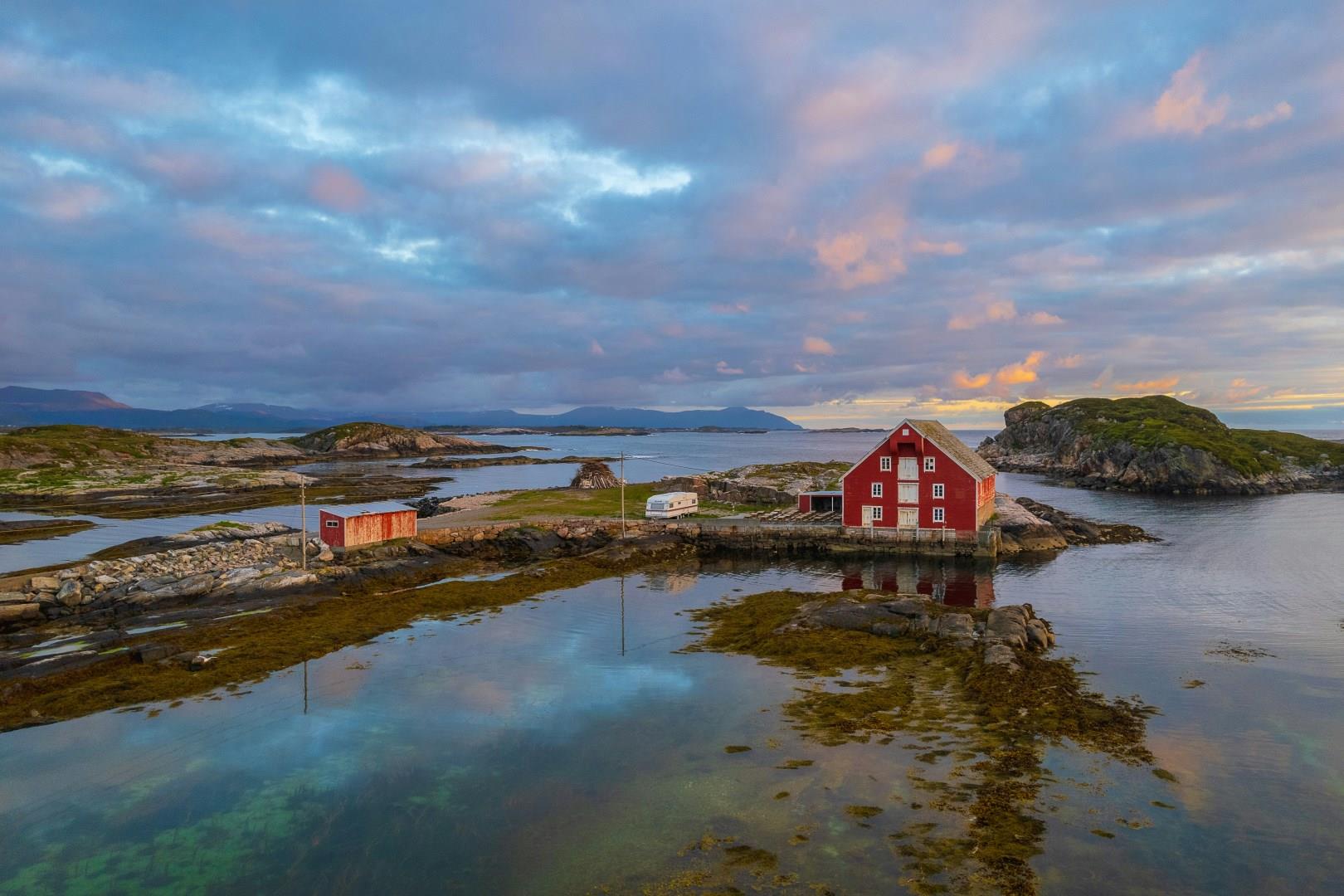
Kristiansund
Kristiansund is a town facing the North Atlantic, on the west coast of Norway. Both its history and geographical position are unique. It is not a big town and does not have a large population, but the friendly attitude of the people who live here and their way of life, makes it a town with a big heart. Its business centre is close to green parks and small forests. The beautiful view of the surrounding mountains completes the picture.
