

Pokhara
Pokhara, nestled in central Nepal, sits at the base of the Annapurna mountain range and has long served as both a rest stop for trekkers and a destination in its own right. What sets Pokhara apart is the rare opportunity to see 8,000-meter peaks like Machapuchare (Fishtail) and Annapurna I reflected in the calm waters of Phewa Lake. Early mornings are often the clearest, with boat rides offering peaceful views of snow-capped peaks mirrored in the lake.

Šiaulia
Šiauliai, often referred to as the "City of the Sun" due to its high number of sunny days, is a vibrant gem in northern Lithuania. The city's most iconic landmark is the Hill of Crosses, a profound site of pilgrimage adorned with thousands of crosses placed by visitors over the decades. This unique and moving monument, which has been recognized by UNESCO for its cultural significance, symbolizes the resilience and spirit of the Lithuanian people.

Newport
Newport, Rhode Island, is a charming coastal city steeped in history and elegance. Often referred to as the "Sailing Capital of the World," Newport offers stunning seaside views, rich colonial heritage, and Gilded Age grandeur. Stroll along the famous Cliff Walk, a 3.5-mile path that weaves between the crashing waves of the Atlantic Ocean on one side and the opulent Newport mansions on the other.

Freycinet National Park
Freycinet National Park, located on the east coast of Tasmania, Australia, is a natural paradise that entices travelers with its dramatic pink granite peaks, secluded bays, and pristine beaches. The park is home to the iconic Wineglass Bay, often touted as one of the world's most beautiful beaches, with its crescent-shaped shore of soft white sand and crystal-clear turquoise waters.
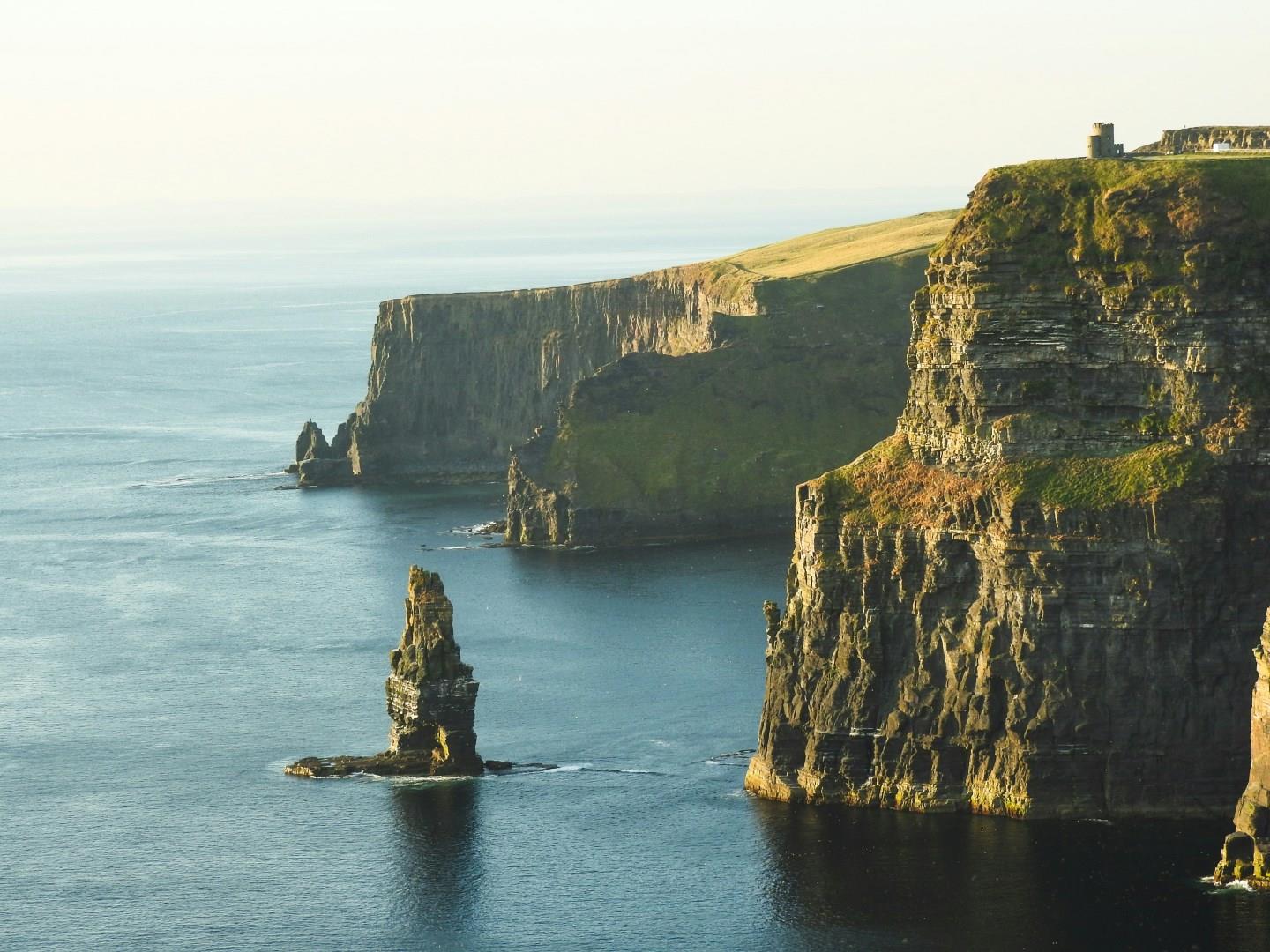
Cliffs of Moher
The Cliffs of Moher rise dramatically from the Atlantic Ocean, stretching for about 8 kilometers along Ireland’s western coast in County Clare. At their highest point near O'Brien's Tower, the cliffs reach 214 meters, offering uninterrupted views of the Aran Islands, Galway Bay, and the craggy peaks of Connemara on a clear day. These ancient sea cliffs have stood for over 300 million years and remain one of the most visited and photographed sites in Ireland.
