
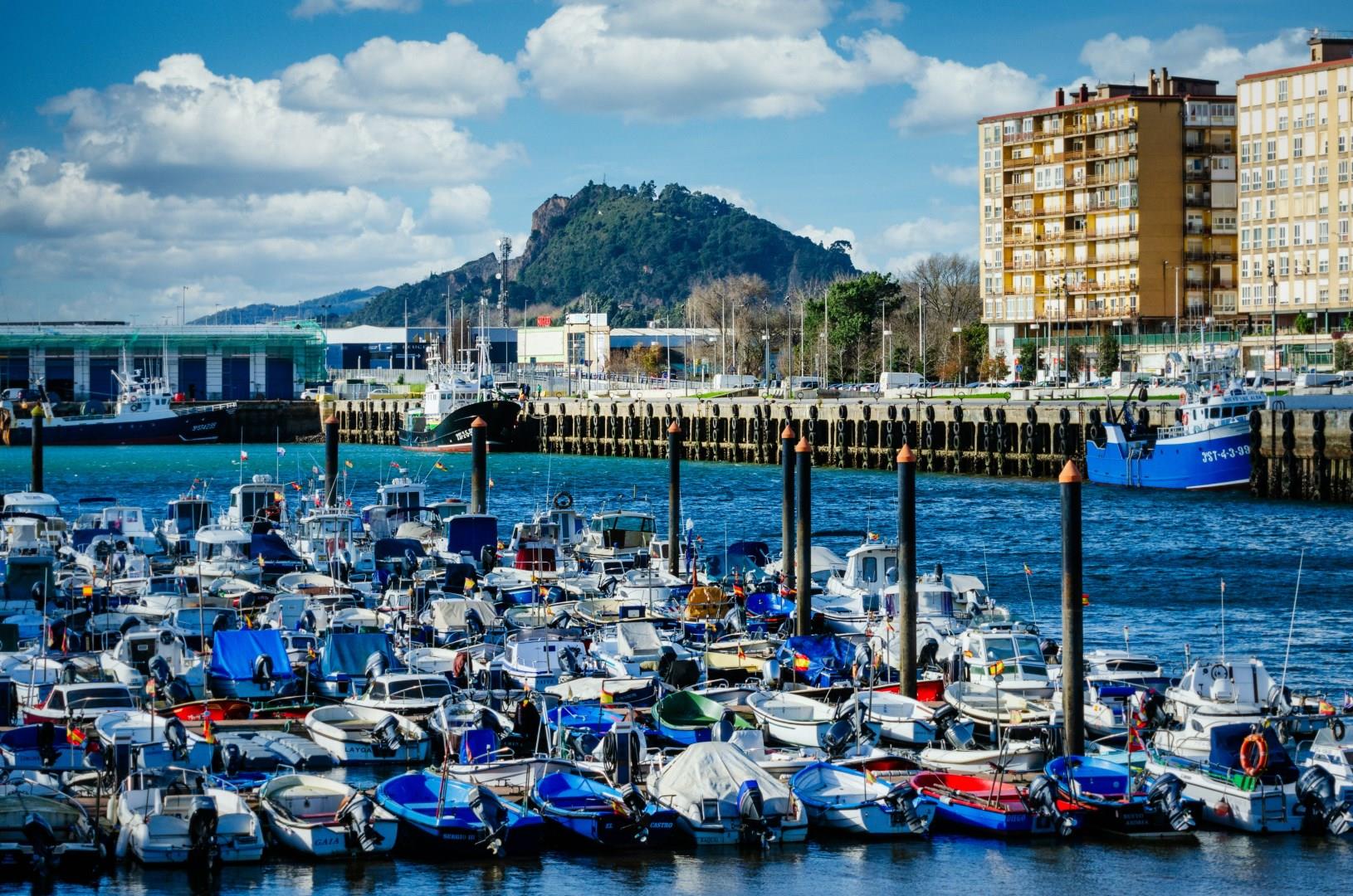
Santander
Santander, the capital of Spain’s Cantabria region, sits along the Bay of Biscay and offers travelers a mix of coastline, culture, and history shaped by centuries of maritime life. Once a bustling port for Castilian exports, Santander saw its golden age in the 19th century when Spanish royalty turned it into a summer retreat. The legacy of that era remains visible at the Palacio de la Magdalena, perched on a peninsula with views of the sea and home to royal stables, a mini zoo, and guided tours.

Grožnjan
Nestled in the heart of Istria, the charming town of Grožnjan offers an enchanting escape into a world where history and art seamlessly blend. Often referred to as the "City of Artists," Grožnjan is renowned for its vibrant cultural scene and picturesque medieval architecture. As you wander through its narrow, cobbled streets, you'll encounter well-preserved stone houses, quaint squares, and an array of art galleries and studios showcasing the work of local artists.

Fort-de-France
Capital of Martinique, a French overseas territory, Fort-de-France is a veritable island paradise replete with striking colonial architecture, exotic flora and fauna, verdant nature parks, and sparkling beaches. Highlights of this vibrant island capital include the colorful Jardin de Balata, the cascading Fontaine Didier waterfall, and the expansive Schoelcher Library.

Lithuania
Lithuania offers visitors a chance to explore a country where medieval traditions and modern culture meet. Vilnius, the capital, is known for its well-preserved Old Town, a UNESCO World Heritage site filled with winding streets, baroque churches, and cozy squares. Visitors can climb the hill to Gediminas’ Tower for a sweeping view of the city, or visit the Gates of Dawn, an important religious and historical monument that has welcomed travelers for centuries.
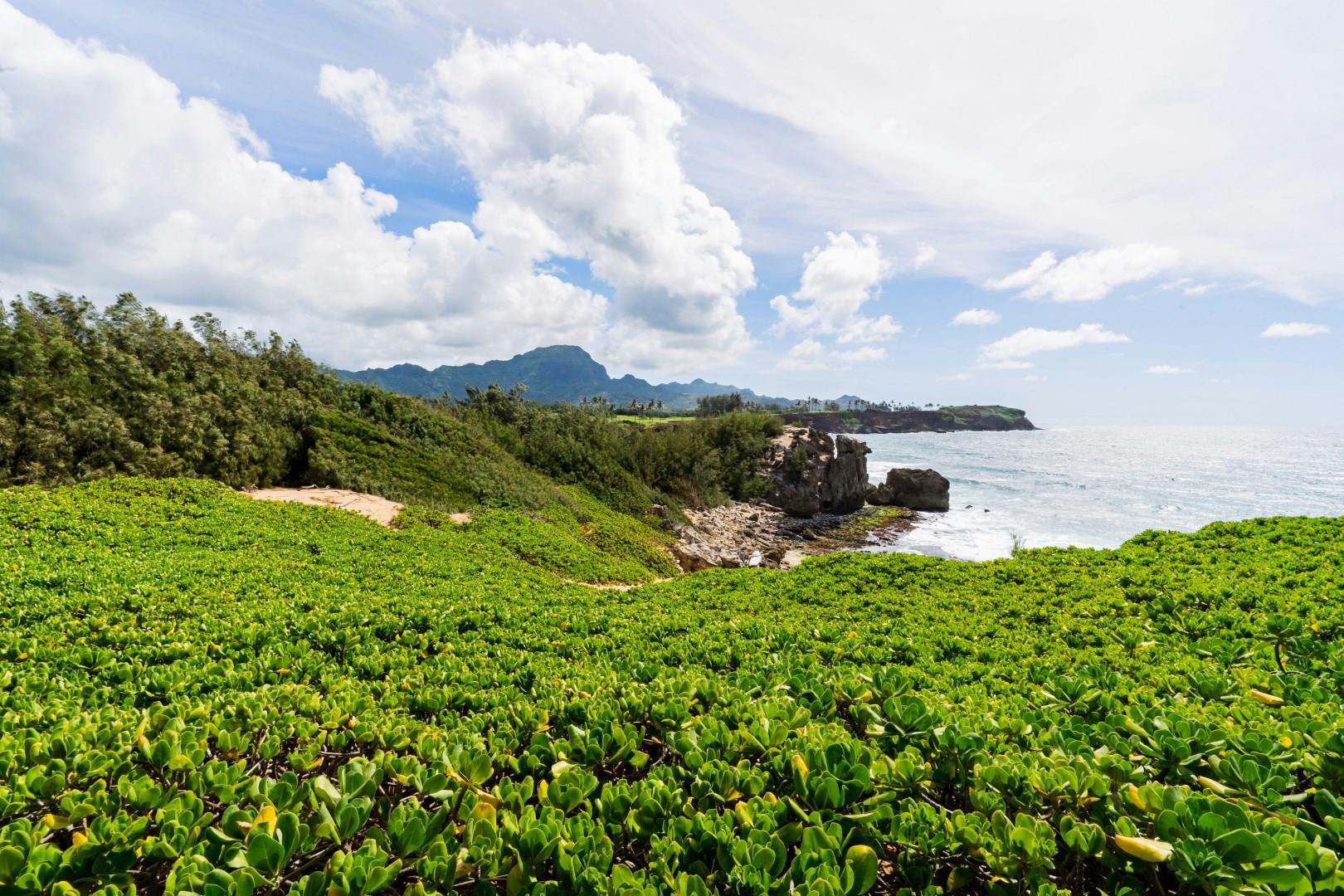
Koloa, Kauai
Koloa sits on Kauai’s south shore and holds a special place in Hawaiian history as the site of the islands’ first successful sugar plantation.
