

Muscat
Travelers on the Arabian Sea often find themselves in Muscat, on the Gulf of Oman. This port capital is situated between ocean and mountains, and boasts lovely beaches, great diving sites (watch for turtles!), 16th-century forts, and the impressive Sultan Qaboos Grand Mosque, which can hold 20,000 people.
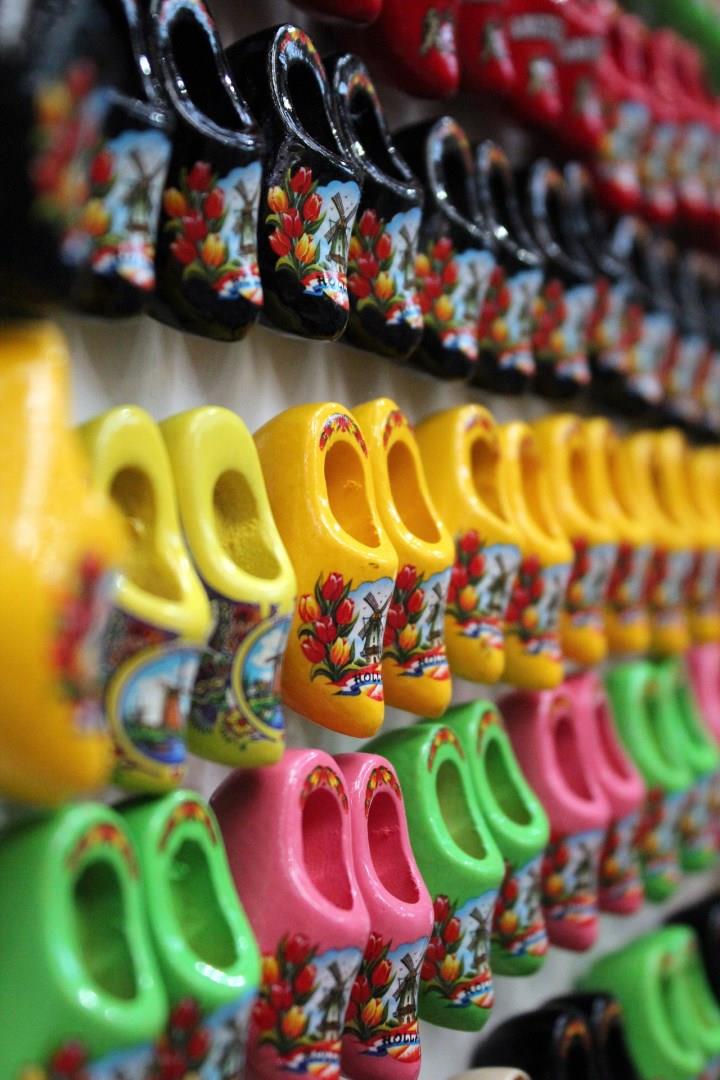
Netherlands
The Netherlands offers travelers a landscape where innovation and tradition intersect. In cities like Amsterdam, visitors can explore centuries-old canal networks and Golden Age architecture while also encountering contemporary art installations and sustainable urban design. The Rijksmuseum houses masterpieces by Rembrandt and Vermeer, while a short walk away, the Van Gogh Museum brings visitors closer to one of history’s most studied painters.

Hydra
An island of international renown, Hydra is one of the first islands to have been discovered by tourism and, due to the short distance from Athens, has for years hosted a large number of tourists.

Donji Milanovac
Donji Milanovac is a gateway to the Iron Gates Gorge, one of the most stunning natural attractions in the region.

Seychelles
The Seychelles, an archipelago of 115 islands in the Indian Ocean, is renowned for its turquoise waters, white-sand beaches, and lush tropical landscapes.
