

Key West
Beaches, margaritas and relaxed vibes are all part of visiting the island city of Key West, where summer never ends.
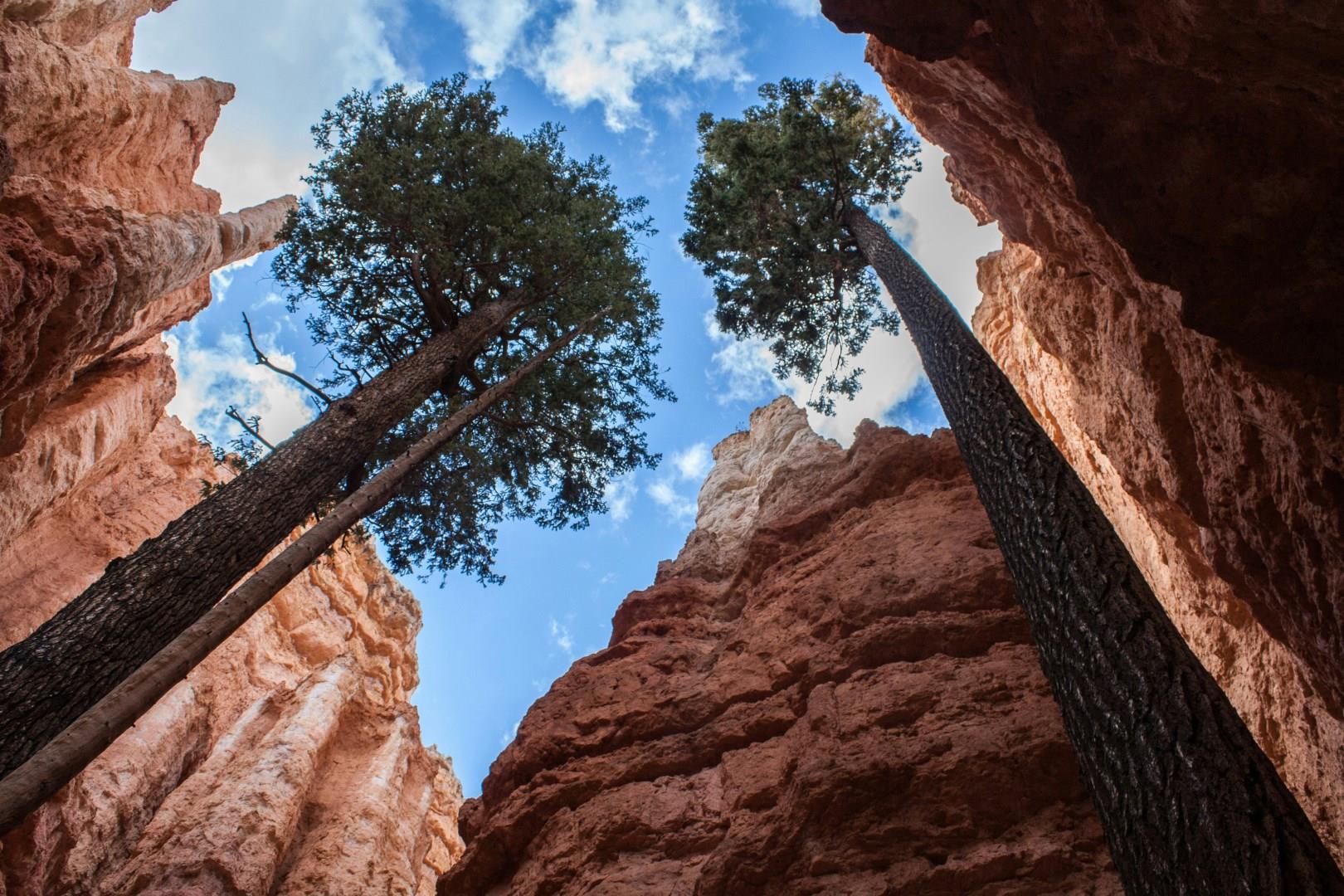
Bryce Canyon
Bryce Canyon, tucked into the high plateaus of southern Utah, offers one of the most unusual landscapes in the American Southwest. It’s not actually a canyon but a series of natural amphitheaters carved into the edge of the Paunsaugunt Plateau. What makes Bryce unique is its dense collection of hoodoos which are tall, thin spires of rock formed over millions of years by frost-wedging and erosion.
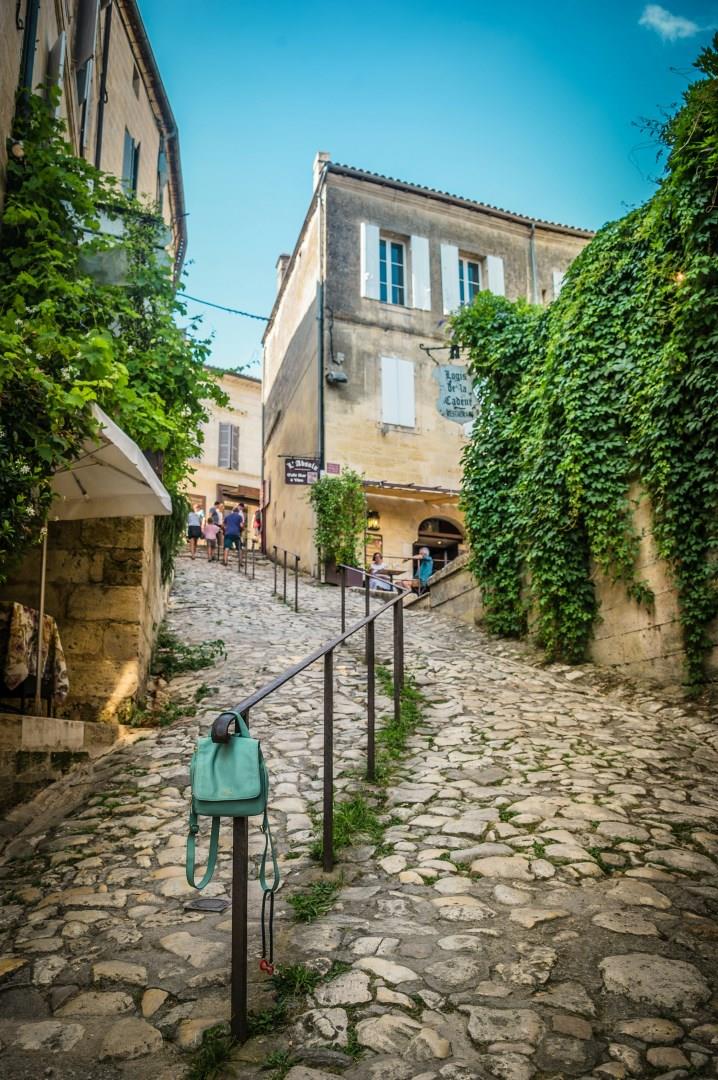
Saint-Émilion
Saint-Émilion, nestled in the heart of southwest France, is a living monument to centuries of craftsmanship, faith, and wine-making. Recognized as a UNESCO World Heritage Site since 1999, this medieval town sits on a limestone plateau surrounded by vineyards that date back to Roman times. Visitors can explore cobbled streets that wind past centuries-old stone houses, descend into underground catacombs carved by monks, and visit the astonishing Monolithic Church.
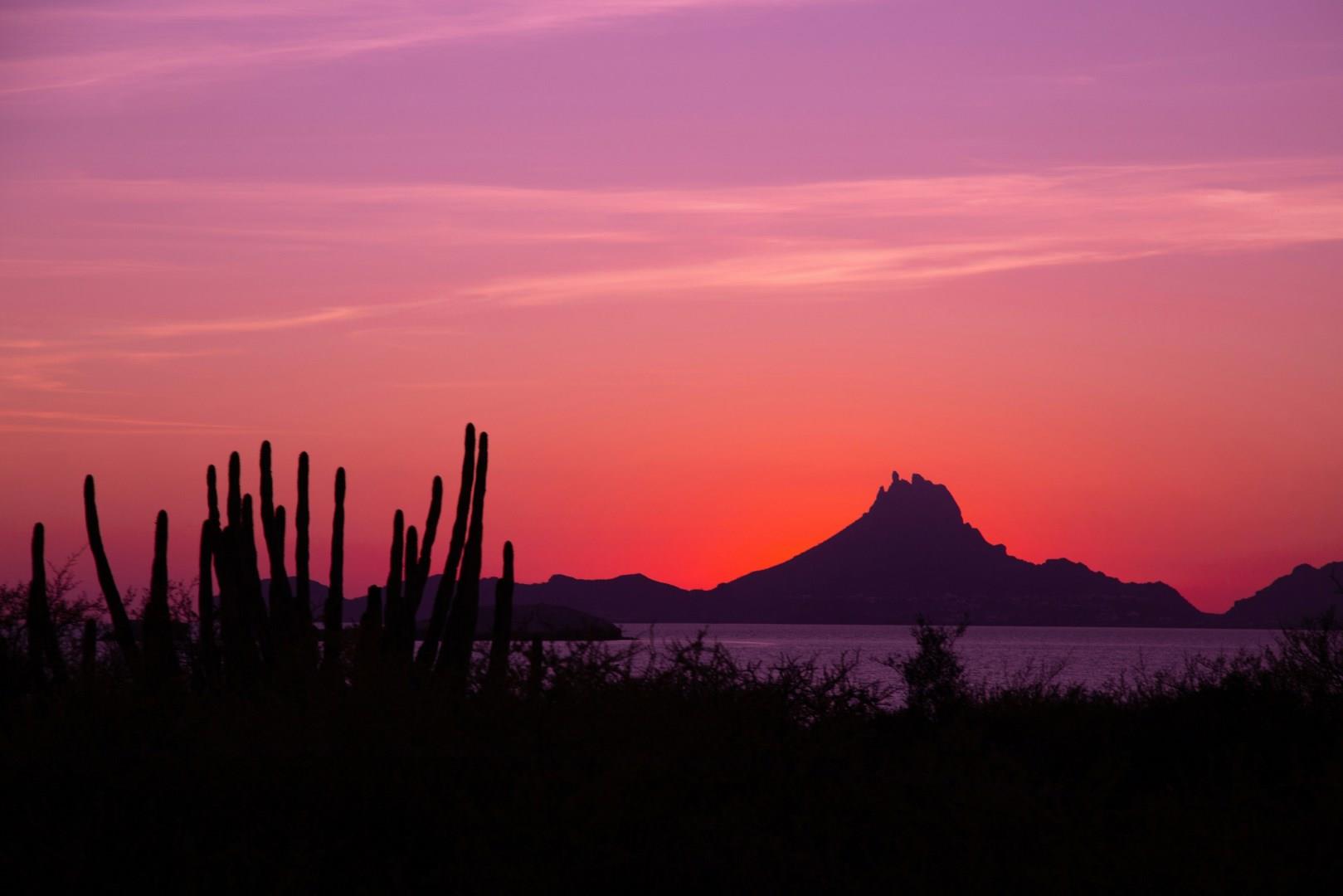
Guaymas
Guaymas lies along the Gulf of California in the Mexican state of Sonora, shaped by its role as a working port rather than a resort city.

Dakar
Dakar, the lively capital of Senegal, stands at the edge of the Atlantic Ocean on the Cape Verde Peninsula. As the westernmost city on the African mainland, it has long been a crossroads of cultures, trade, and ideas.
