
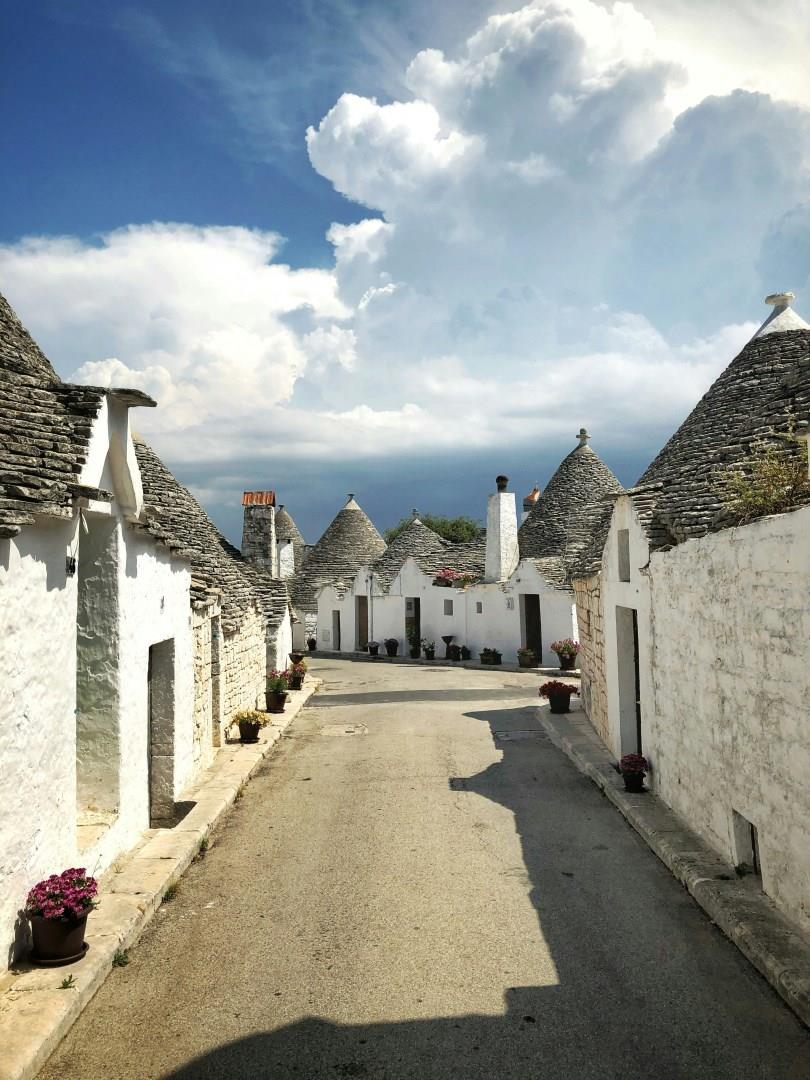
Alberobello
Alberobello in southern Italy’s Puglia region captures the imagination with its distinctive trulli houses. These structures were built using a dry-stone technique passed down over centuries, without mortar or cement, and their unique form comes from layer upon layer of limestone nestled from nearby fields. Alberobello’s trulli are so remarkable that in 1996 the historic center was inscribed as a UNESCO World Heritage Site, where more than 1,600 of these buildings still stand.

Phang Nga
Phang Nga is a coastal province in southern Thailand known for its dramatic limestone landscapes and deep connection to the Andaman Sea. Historically shaped by maritime trade, fishing communities, and tin mining, the region sits just north of Phuket yet feels distinctly quieter and more grounded.
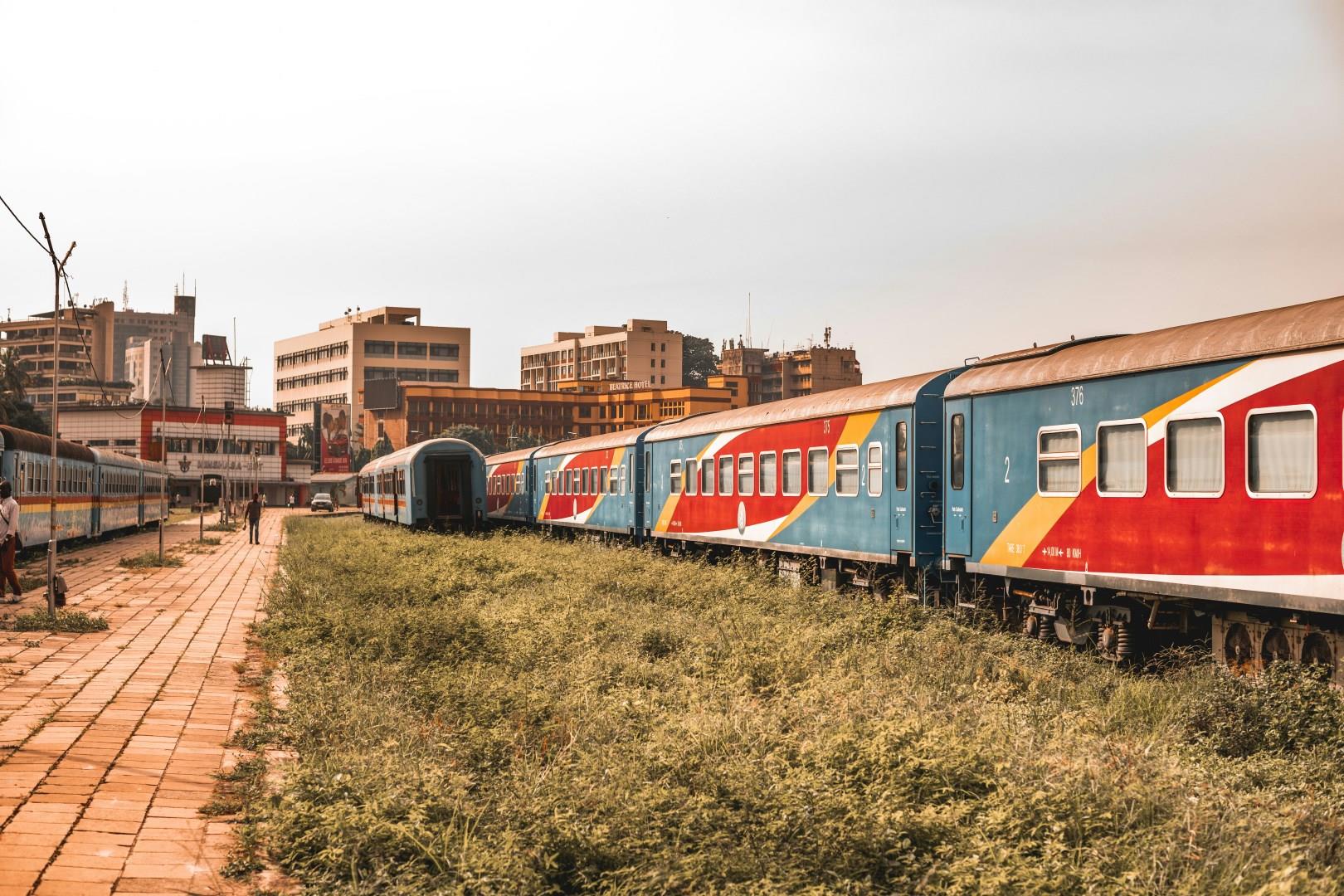
Kinshasa
Kinshasa, the capital of the Democratic Republic of the Congo, is one of Africa’s most vibrant and unpredictable cities. Sprawling along the banks of the Congo River, it’s the third-largest city on the continent and pulses with music, art, and personality at every turn. Across the river lies Brazzaville, making Kinshasa part of the only pair of national capitals facing each other across a single waterway.
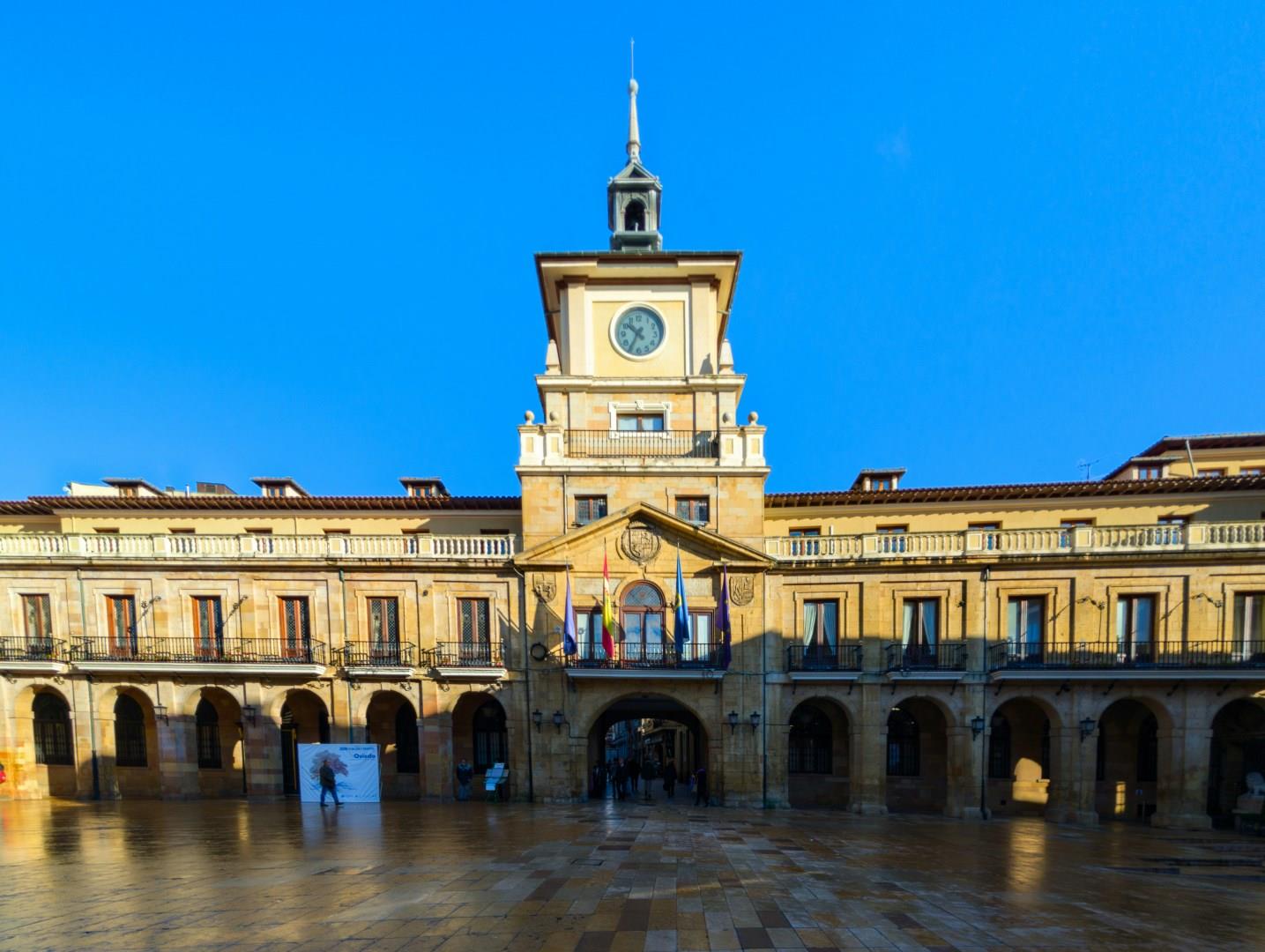
Oviedo
Oviedo, the capital of Asturias in northern Spain, offers a rare mix of medieval heritage and everyday life that feels rooted rather than staged. The city’s historic center is home to some of the oldest pre-Romanesque buildings in Europe, including the UNESCO-listed Santa María del Naranco and San Miguel de Lillo. Cider, not wine, defines the local table. Oviedo is surrounded by apple orchards, and the traditional drink, sidra natural, is poured from a height by skilled escanciadores.
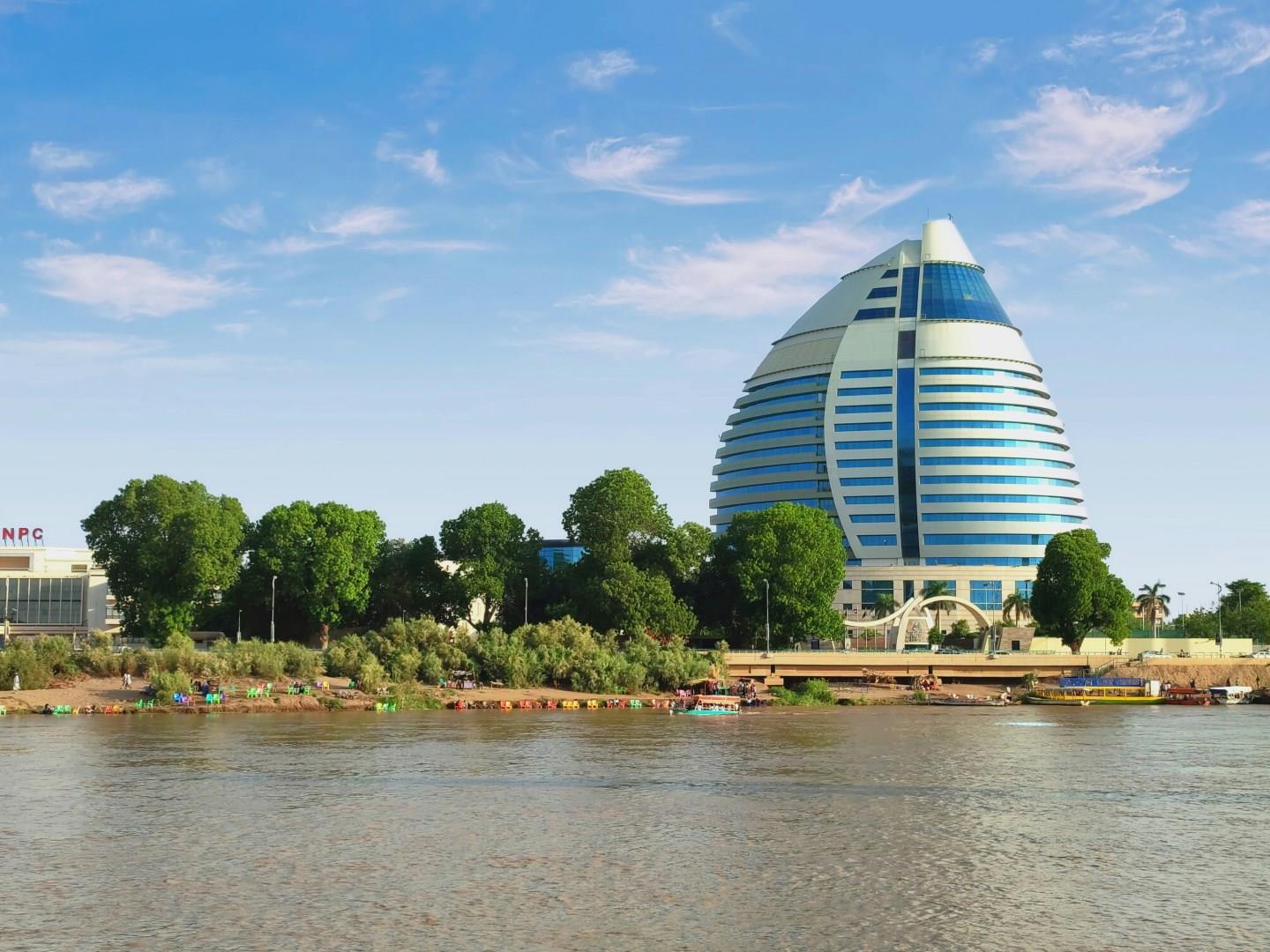
Khartoum
Khartoum, the capital of Sudan, sits where the Blue and White Nile rivers meet, creating a unique landscape of waterways, islands, and riverbanks.
